
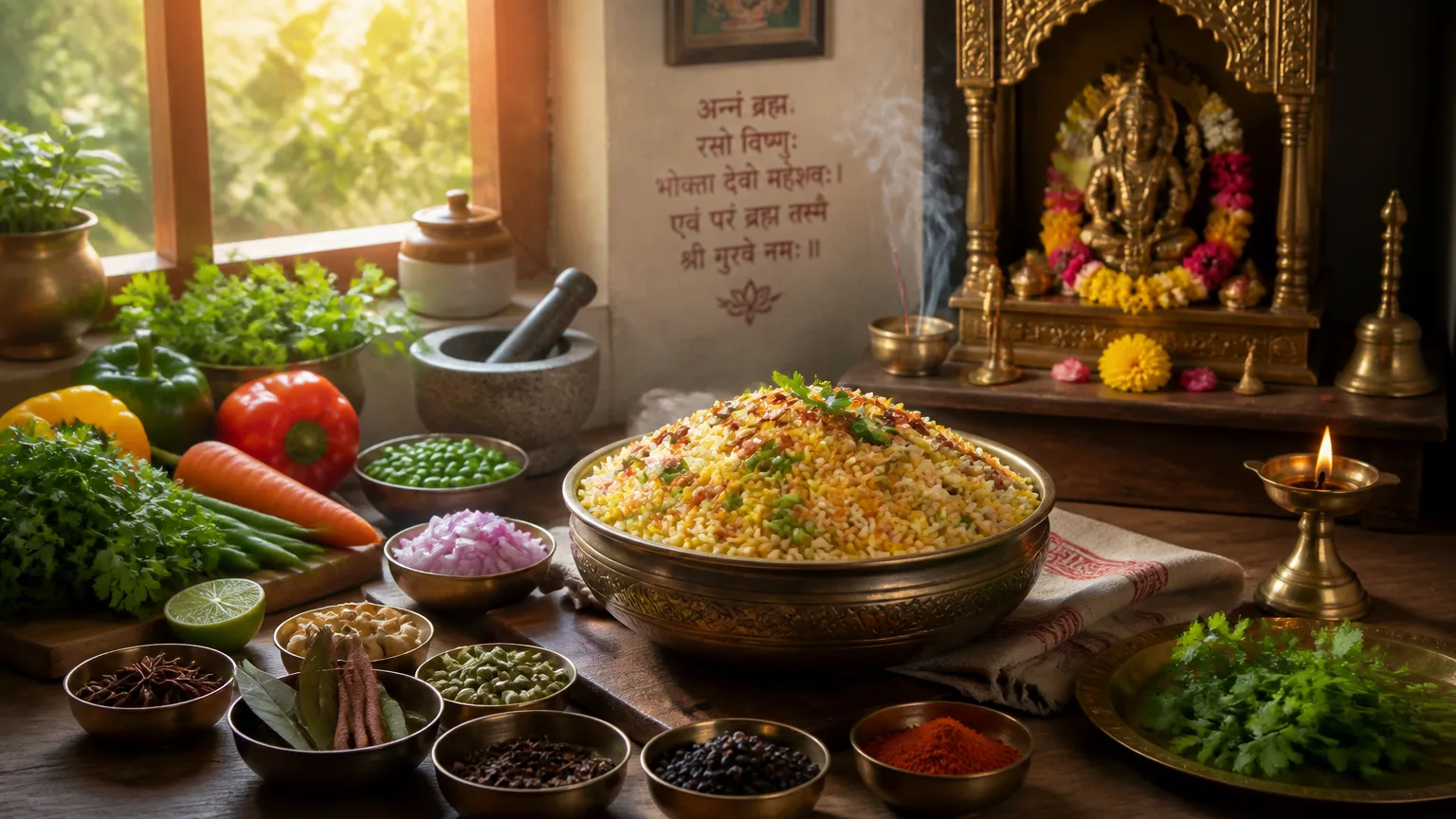
In the Hare Krishna tradition, cooking is not merely a daily task but a sacred act of devotion. Engaging in Hare Krishna recipes ISKCON allows devotees to express their love for God through the preparation of food. Each ingredient transforms into a spiritual offering, creating a unique connection between the cook and Krishna.
The process of preparing these recipes is an enriching experience that elevates the soul. As devotees chant mantras and focus their intentions, they infuse the food with positive energy and love. This spiritual cooking fosters mindfulness, turning a simple meal into a divine encounter.
By embracing these practices, one can experience profound spiritual growth. The act of offering food not only nourishes the body but also nurtures the spirit. For those looking to deepen their culinary journey, consider exploring the 10 Must-Try ISKCON Temple Food Recipes for Spiritual Cooking at Home. These recipes serve as a guide to harmonizing daily life with devotion, creating a fulfilling and soulful cooking experience.
1. Classic Krishna Prasadam: Khichdi
Khichdi is a beloved dish served as prasadam in ISKCON temples, celebrated for its nourishing properties. This simple combination of rice and lentils embodies the essence of purity and devotion. It serves as a staple, offering both sustenance and spiritual significance.
The preparation of Khichdi involves basic ingredients, yet it is elevated by spices such as cumin, turmeric, and ginger. These spices not only enhance the flavor but also promote health and well-being. Each ingredient plays a role in creating a dish that is both comforting and spiritually uplifting.
When served as prasadam, Khichdi becomes more than just food; it is a means of connecting with Krishna. The act of offering this dish with love transforms it into a sacred meal, nourishing both body and soul. Enjoying Khichdi allows devotees to partake in a culinary tradition that fosters spiritual growth and community.
2. Flavors of Devotion: Paneer Tikka
Paneer Tikka is a delectable dish that embodies the spirit of celebration in ISKCON gatherings. This grilled cottage cheese, marinated in fragrant spices, not only satisfies hunger but also elevates the festive atmosphere.
The marination process serves as a metaphor for deepening one’s devotion. As the paneer absorbs the spices, it reflects the way devotion enriches our lives. This dish is particularly ideal for special occasions, where it can be shared among friends and family, fostering a sense of community.
To prepare Paneer Tikka, combine yogurt, ginger, garlic, and traditional spices like cumin and coriander. Allow the paneer to marinate for at least an hour. Then, grill or bake until golden brown. The result is a flavorful, aromatic dish that nourishes both the body and the spirit.
Sharing Paneer Tikka during celebrations creates bonds and reinforces the communal spirit of devotion. Enjoying this dish is not just about indulgence; it’s a celebration of love and connection with the divine.
3. Sweet Offerings: Sandesh
Sandesh is a traditional Bengali sweet made from fresh paneer, often used in devotional offerings. Its delicate flavors embody love and devotion, making it a perfect treat for celebrations.
Sweets like Sandesh play a vital role in expressing gratitude and joy during festive occasions. The process of crafting these sweets can be meditative, enhancing one’s connection to Krishna. Each step, from curdling the milk to shaping the delicate pieces, allows devotees to pour their love into the creation.
By offering Sandesh, one participates in a sacred tradition that nourishes the soul. For those interested in expanding their repertoire of spiritual sweets, consider exploring the 10 Divine Ekadashi Sweets Recipes from ISKCON to Enrich Your Spiritual Practice. This resource provides additional ways to deepen your culinary devotion while celebrating the divine.
4. Nourishing the Spirit: Vegetable Pulao
Vegetable Pulao embodies the principles of balance and harmony found in the Hare Krishna tradition. This fragrant rice dish combines seasonal vegetables and aromatic spices, showcasing nature’s bounty. Each ingredient serves as a reminder of the divine gifts provided by the earth.
To prepare Vegetable Pulao, select fresh vegetables like peas, carrots, and bell peppers. Cook the rice with cumin seeds, bay leaves, and turmeric for added flavor and color. This simple yet nourishing recipe not only satisfies hunger but also uplifts the spirit.
This dish is often offered to Krishna, transforming it into a sacred meal. Sharing Vegetable Pulao during gatherings fosters a sense of community and devotion. It serves as a beautiful representation of how food can nourish both body and soul in the ISKCON tradition.
5. Refreshing Elixir: Iskcon Herbal Tea
ISKCON Herbal Tea offers a calming infusion that revitalizes both the mind and spirit. This soothing blend of herbs is crafted to restore energy, making it an ideal companion for meditation practices. Herbal teas are well-known for their relaxing properties, and this particular recipe embodies that essence.
The preparation ritual of this tea can also become a meditative act. Taking the time to select and combine the herbs allows one to focus on the present moment, enhancing the overall experience.
For those interested in a detailed guide, check out Revitalize Your Spirit: The Ultimate Iskcon Herbal Tea Recipe. Embracing this practice not only nourishes the body but uplifts the soul, reinforcing the connection between culinary art and spiritual devotion.
6. Divine Delicacy: Navratan Korma
Navratan Korma is a royal dish that embodies the bounty of Krishna’s creation. Comprising an assortment of vegetables and nuts enveloped in a rich, creamy sauce, this dish symbolizes abundance and generosity. It is frequently prepared for special occasions, reflecting the spirit of celebration in ISKCON gatherings.
The preparation of Navratan Korma allows devotees to engage in a culinary tradition that nourishes both the body and soul. This dish is often offered to Krishna, transforming it into a sacred meal. Sharing Navratan Korma during festive times fosters community bonds and enhances the spiritual experience.
For those eager to delve deeper into this exquisite dish, you can Master the Navratan Korma Recipe: A Divine Hare Krishna Guide. Through this recipe, devotees can explore the flavors and meanings behind each ingredient, enriching their spiritual practice through cooking.
7. Joyful Creation: Carob Cake
The Carob Cake is a delightful addition to any spiritual gathering, embodying joy and celebration. This indulgent dessert is perfect for prasad, providing a guilt-free option for devotees who want to enjoy a sweet treat without compromising their values.
Carob, often used as a substitute for chocolate, offers a rich flavor that resonates well with festive occasions. The cake not only satisfies the palate but also uplifts the spirit, symbolizing the happiness of communal celebrations.
Preparing this cake is simple, making it accessible for devotees of all culinary skill levels. For those eager to enhance their cooking repertoire, you can Master the Carob Cake Recipe Iskcon: A Spiritual Delight for Your Kitchen. This recipe allows you to create a dish that nourishes the soul while bringing people together in joyous harmony.
Conclusion: Nourishing Body and Soul
Incorporating Hare Krishna recipes from ISKCON into your culinary routine serves as a profound form of spiritual expression. Each dish represents not just a meal, but a heartfelt offering to the divine, transforming everyday cooking into a sacred practice. By preparing and sharing prasadam, you engage in a ritual that nourishes both the body and soul.
Embrace your culinary creativity within this tradition. Experiment with the flavors and ingredients of these recipes, allowing your personal touch to enhance the spiritual experience. Cooking becomes a joyful act of devotion, inviting you to connect more deeply with Krishna.
As you explore these recipes, remember that each meal shared fosters community and strengthens bonds. Let your kitchen be a sanctuary of love and devotion, where every dish is a celebration of life and spirituality.