
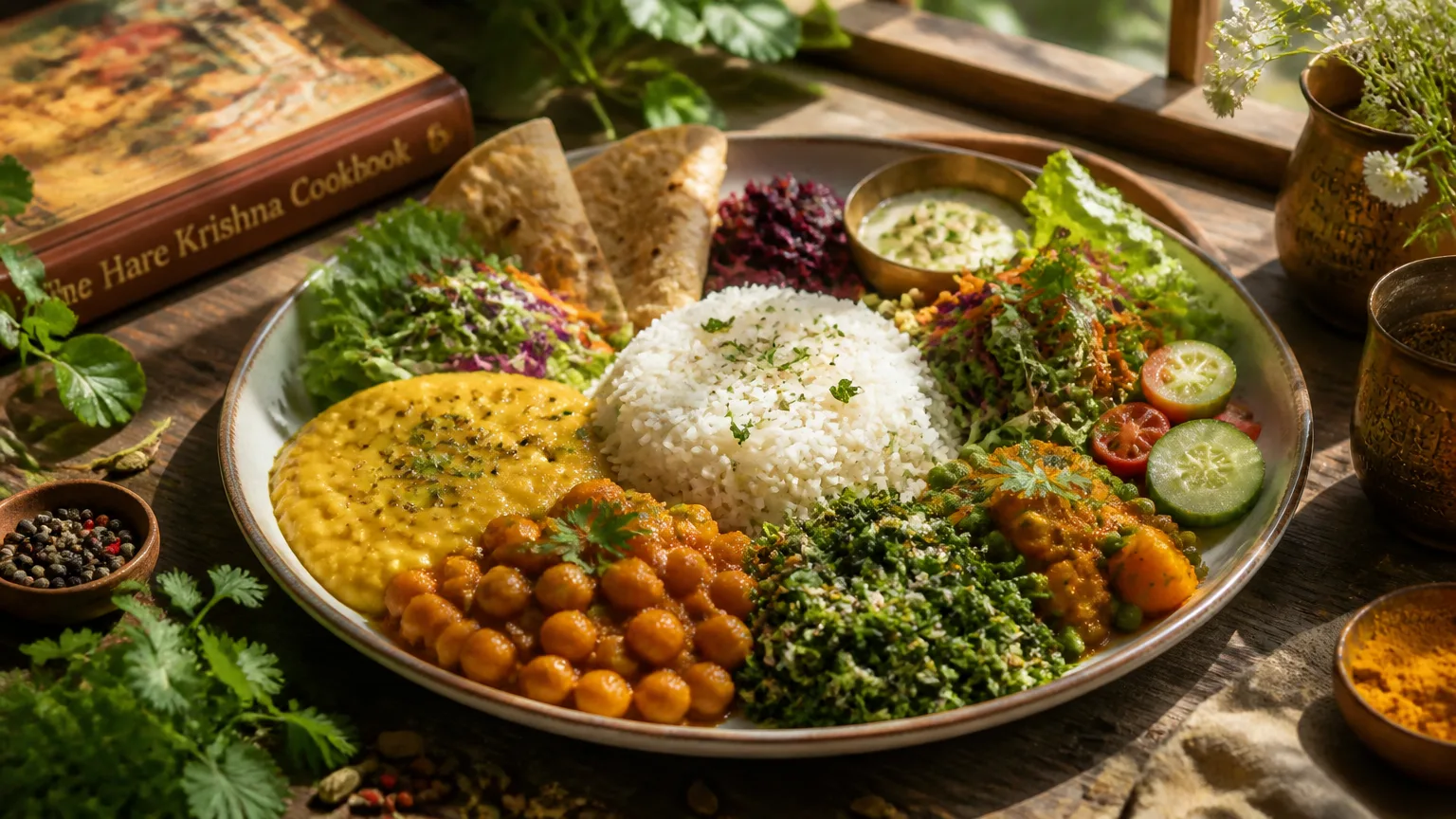
Food holds a sacred place in the Hare Krishna tradition, serving as a vital link between nourishment and spirituality. Hare Krishna food recipes are not just meals; they are offerings that connect individuals with the divine. In this tradition, food is viewed as a form of devotion, embodying love and gratitude.
The emphasis on vegetarianism and Sattvic cooking reflects a commitment to purity and health. Sattvic foods are fresh, wholesome, and promote clarity of mind and spirit. Ingredients like grains, fruits, and vegetables nourish both body and soul, creating a harmonious balance.
Sharing meals plays a significant role in this tradition. It fosters community, strengthens relationships, and enhances the joy of devotion. When friends and family gather to enjoy Hare Krishna meals, the act of sharing deepens spiritual connections and cultivates an atmosphere of love.
In this article, we will explore five delightful Hare Krishna food recipes that not only nourish your kitchen but also elevate your spirit. Each recipe embodies the principles of Sattvic cooking and the joy of sharing, inviting you to experience the divine through every bite.
1. Devotional Paneer Tikka
Devotional Paneer Tikka is a classic Indian dish that resonates with the principles of Hare Krishna food recipes. This appetizer combines marinated paneer with aromatic spices, offering a delightful experience for both the palate and the spirit.
Preparation Highlights and Ingredients
To prepare this dish, you will need:
- Ingredients: Paneer (cottage cheese), yogurt, ginger-garlic paste, turmeric, red chili powder, garam masala, bell peppers, and skewers.
- Preparation: Marinate the paneer cubes in yogurt and spices for at least 30 minutes. Skewer them with bell peppers and grill until golden brown.
- Vegetable Tikka: Substitute paneer with mixed vegetables like zucchini and mushrooms.
- Spicy Version: Increase the amount of red chili powder for an extra kick.
- Add spices: Incorporate cumin and turmeric for flavor and health benefits.
- Garnish: Top with fresh cilantro or a squeeze of lemon for brightness.
- 500g grated carrots
- 1 liter full-fat milk
- 200g sugar
- 100g ghee (clarified butter)
- 100g chopped nuts (cashews, almonds)
- 1 tsp cardamom powder
- A handful of raisins
Spiritual Significance
Sharing meals is central to the Hare Krishna philosophy. Offering this dish to friends or family creates an atmosphere of love and connection. When prepared with devotion, it transforms into a spiritual offering, elevating the dining experience.
Variations to Suit Different Tastes
You can easily adjust the recipe to cater to various preferences. Consider:
This versatile dish nourishes both body and spirit, making it a perfect addition to your kitchen.
2. Uplifting Vegetable Khichdi
Uplifting Vegetable Khichdi is a quintessential Hare Krishna dish that embodies simplicity and nourishment. This one-pot meal combines rice and lentils with assorted vegetables, making it an ideal choice for spiritual reflection and communal cooking.
Khichdi offers numerous benefits in the diet. It is easy to digest and provides a balanced source of carbohydrates and protein. The dish is inherently flexible; you can incorporate seasonal vegetables to enhance both flavor and nutrition.
Cooking with intention is vital in Hare Krishna cuisine. As you prepare Khichdi, focus on the love and energy you bring to the dish. This mindfulness transforms the meal into a spiritual offering, fostering a deeper connection with the food.
To elevate the dish, consider these tips:
For more divine recipes, check out 10 Must-Try ISKCON Temple Food Recipes for Spiritual Cooking at Home. This collection will inspire you to create more Hare Krishna food recipes that nourish both body and spirit.
3. Blissful Chana Masala
Blissful Chana Masala is a vibrant dish that embodies the essence of Hare Krishna meals. Chickpeas, a staple in Sattvic cooking, provide nourishment and stability, making this dish both fulfilling and spiritually uplifting.
To enhance its flavor, consider using traditional cooking methods, such as tempering spices in ghee. Start by heating ghee and adding cumin seeds, mustard seeds, and a pinch of asafoetida. This process releases the essential oils, creating a fragrant base for your Chana Masala.
For a complete meal, serve this dish with basmati rice or freshly baked chapati. You can also pair it with a side of cooling cucumber raita to balance the spices. This combination not only satisfies the palate but also nourishes the spirit, reflecting the Hare Krishna philosophy of sharing food in love and devotion.
Embrace this recipe as a way to connect with the rich cultural heritage of Hare Krishna cuisine, bringing warmth and joy to your kitchen.
4. Divine Palak Paneer
Divine Palak Paneer is a creamy spinach dish that elevates your spiritual cooking repertoire. Spinach, rich in iron and vitamins, boosts overall health, while paneer provides essential protein and calcium. Together, they create a dish that nourishes the body and soul.
To maintain the vibrant green color of the spinach, blanch it briefly before blending. This method preserves nutrients and ensures a striking visual appeal. Sauté the paneer separately until golden for added texture and flavor.
Mindful eating enhances the experience of this dish. As you savor each bite, reflect on the love and intention infused into your cooking. Sharing Palak Paneer with family or friends creates an atmosphere of unity and joy.
For more divine recipes that enrich your spiritual practice, explore the 10 Divine Ekadashi Sweets Recipes from ISKCON to Enrich Your Spiritual Practice.
5. Heavenly Gajar Halwa
Heavenly Gajar Halwa is a traditional Indian dessert that beautifully combines grated carrots, milk, and sugar to create a rich, sweet treat. This dish not only satisfies cravings but also uplifts the spirit, embodying the Hare Krishna philosophy of devotion through food.
Ingredients
Cooking Process
1. Heat ghee in a pan and add the grated carrots. Sauté until they soften.
2. Pour in the milk, allowing it to simmer until reduced.
3. Stir in sugar, cardamom powder, and nuts, cooking until the mixture thickens.
Offering and Variations
In Hare Krishna tradition, offering Gajar Halwa to the Deities is a way to express devotion. You can also create variations by adding saffron for a rich flavor or substituting nuts based on preference. Serve warm or chilled for a delightful experience.
For more sweet inspirations, explore 5 Irresistible Hare Krishna Cake Recipes to Enhance Your Spiritual Journey. Sharing Gajar Halwa enhances community spirit, making it a perfect dessert for gatherings.
Nourishing Spirit and Body
In conclusion, the journey through these Hare Krishna food recipes illustrates the profound connection between food and spirituality. Each dish serves not only to nourish the body but also to uplift the spirit, fostering a deeper sense of devotion and community.
Sharing these recipes with friends and family can create an atmosphere of love and connection. As you prepare these meals, infuse them with intention and joy, transforming your kitchen into a sacred space.
We encourage you to try making these dishes and experience their spiritual benefits firsthand. For an additional boost to your spiritual practice, check out Revitalize Your Spirit: The Ultimate Iskcon Herbal Tea Recipe. Embrace this opportunity to nourish both yourself and those around you, fostering a sense of unity and joy in every bite.