
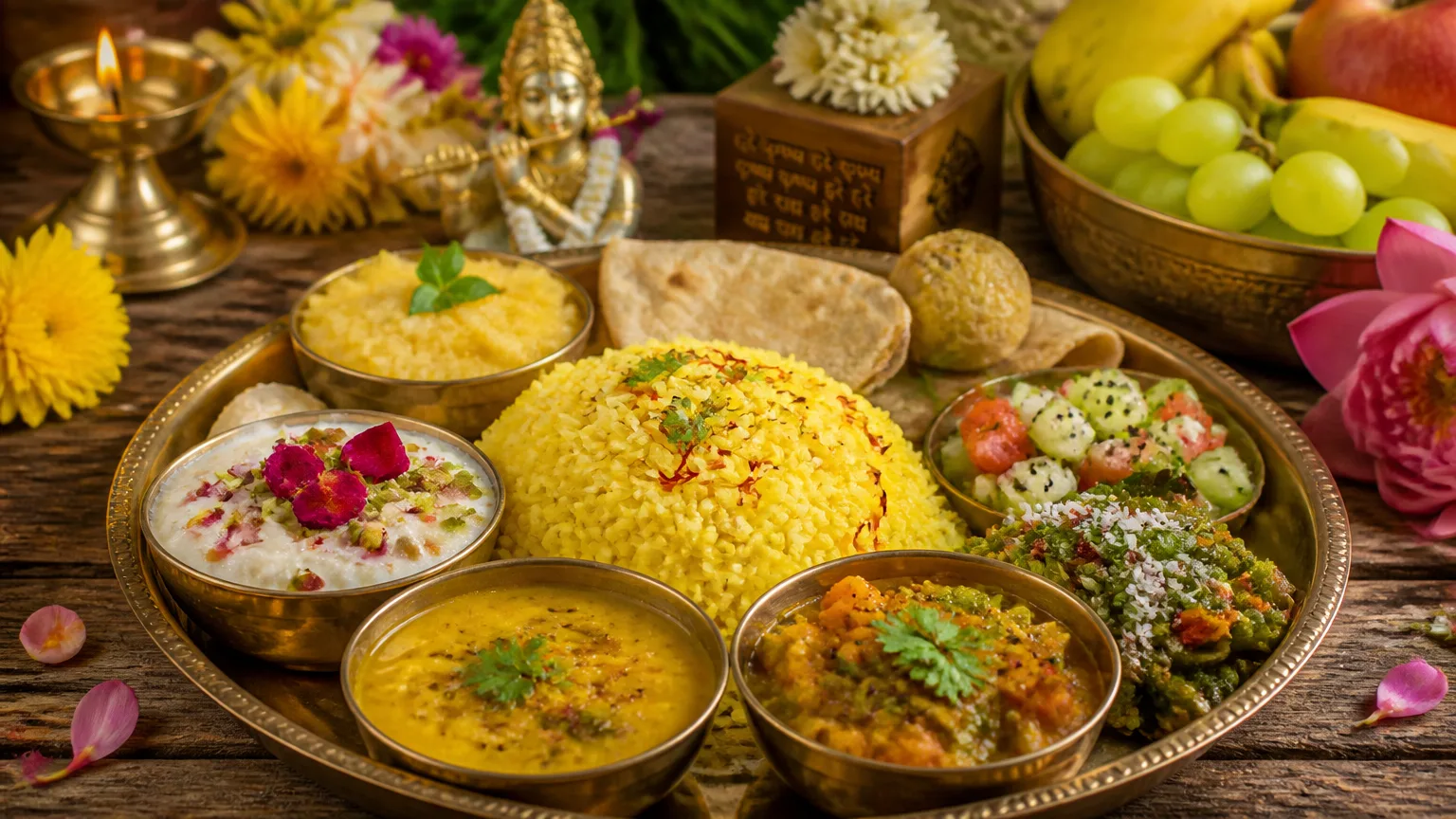
In the ISKCON tradition, food transcends mere sustenance; it is a vital aspect of spiritual practice. Each meal is prepared with devotion, transforming ordinary ingredients into offerings known as prasadam. This sacred food embodies the divine, nourishing both body and soul while fostering a deeper connection to the divine.
The act of cooking and sharing ISKCON temple food recipes serves as a pathway to spiritual growth. By incorporating these recipes into daily life, practitioners engage in a mindful approach to eating, aligning their diet with their spiritual values. This emphasis on vegetarianism is rooted in compassion and respect for all living beings, reflecting the core principles of the Hare Krishna movement.
Moreover, the nutritional and energetic qualities of vegetarian food contribute to clarity of mind and purity of heart. When food is prepared with love and devotion, it not only sustains the physical body but also elevates the spirit, creating a harmonious balance.
By exploring these ten must-try ISKCON temple food recipes, you will embark on a culinary journey that nurtures both your body and your spiritual path, enhancing your connection to the divine through every bite.
1. Prasadam: The Divine Food
Prasadam, meaning “mercy” in Sanskrit, refers to food that has been offered to the deities in a temple. This sacred offering is not merely a meal; it embodies spiritual significance, transforming the food into a conduit for divine blessings. Consuming prasadam nurtures both the body and the soul, allowing devotees to cultivate a deeper connection with the divine.
To prepare a basic prasadam meal, begin with a simple offering of rice and dal. Cook one cup of rice and one cup of split yellow lentils in water until soft. Add a pinch of salt and ghee for flavor. While cooking, focus your thoughts on love and devotion. This intention infuses the food with positive energy, making it even more nourishing.
Once prepared, offer the meal to the deities in your home altar, expressing gratitude for the opportunity to serve. After the offering, share the prasadam with family and friends. This communal act not only enhances the spiritual experience but also fosters a sense of unity and love among those who partake in it.
2. Simple Vegetable Curry
The Simple Vegetable Curry exemplifies the essence of ISKCON cooking, utilizing humble ingredients to create a dish that nourishes both body and spirit. Common vegetables such as potatoes, carrots, peas, and cauliflower form the foundation of this vibrant meal. Each vegetable contributes unique flavors and textures, enhancing the overall experience.
To maintain spiritual vibes during cooking, approach this process with mindfulness and intention. Begin by washing the vegetables with care, visualizing each one as a gift from nature. As you chop and prepare, infuse your actions with love and gratitude, setting a positive tone for the meal.
Seasoning plays a crucial role in elevating the flavors of your curry. Traditional spices like turmeric, cumin, and coriander not only enhance taste but also bring health benefits. Each spice has its own spiritual significance, often associated with purification and vitality.
When simmering the curry, allow the aromas to fill your kitchen, creating an inviting atmosphere. Stir occasionally, reflecting on the joy of sharing this meal with loved ones. This Simple Vegetable Curry is more than sustenance; it is a conduit for connection to the divine and a celebration of the ISKCON tradition.
3. Lentil Dal: Nutrient-Rich Comfort
Lentil dal is a cornerstone of vegetarian diets, packed with protein, fiber, and essential vitamins. Lentils provide a rich source of folate and iron, promoting overall health while supporting spiritual well-being. Their nutrient-dense profile not only nourishes the body but also aligns with the principles of sattvic cooking, fostering clarity and peace.
Preparing lentil dal can become a mindful practice. Begin by rinsing one cup of lentils, then boil them in four cups of water. As the lentils soften, take a moment to meditate on your intentions for this meal. Incorporate spices such as turmeric, cumin, and coriander to enhance both flavor and health benefits.
Serve your dal with steamed rice or whole wheat chapati to create a balanced meal. Accompany it with a side of pickles or yogurt for added flavor. Sharing this dish with loved ones deepens your connection to the divine, making it a perfect addition to your collection of ISKCON temple food recipes.
4. Sweet Rice: An Offering of Love
Sweet Rice, or “Mitha Chawal,” is a cherished dessert within the ISKCON community, symbolizing joy and devotion. This dish is often prepared during festivals, embodying the spirit of celebration and love for the divine.
To create this delightful treat, gather the following ingredients: 1 cup of basmati rice, ½ cup of sugar, 2 cups of water, ½ cup of milk, ¼ cup of ghee, and a handful of nuts and raisins. Begin by rinsing the rice until the water runs clear. In a pot, melt the ghee and add the rice, lightly toasting it for a few minutes.
Next, pour in the water and milk, bringing the mixture to a boil. Once boiling, reduce the heat, cover the pot, and let it simmer until the rice absorbs the liquid and becomes tender. Stir in the sugar, nuts, and raisins, allowing the flavors to meld for an additional five minutes.
This sweet dish serves not only as a delicious offering but also as a reminder of the joy found in spiritual practices. Sharing Sweet Rice with family and friends during festivals enhances communal bonds, making it a perfect addition to your collection of ISKCON temple food recipes.
5. Paneer Tikka: A Satisfying Snack
Paneer tikka is a beloved dish among ISKCON devotees, celebrated for its rich flavors and satisfying texture. This popular vegetarian option not only pleases the palate but also aligns with the spiritual focus of ISKCON meals, emphasizing purity and devotion in every bite.
To prepare paneer tikka, begin by marinating cubes of paneer in a blend of yogurt, spices, and lemon juice. Consider using cumin, coriander, and garam masala to enhance the flavor profile. Marinating for at least an hour allows the spices to penetrate the paneer, creating a deeper taste experience.
When it comes to presentation, skewer the marinated paneer with colorful vegetables like bell peppers and onions. Grilling or baking these skewers until golden brown adds a delightful char that elevates the dish. Serve your paneer tikka with a side of mint chutney for a refreshing contrast, making it not just a snack, but a centerpiece of your ISKCON temple food recipes.
6. Vegetable Biryani: A Festive Delight
Vegetable biryani stands as a festive favorite within the ISKCON diet, celebrated for its rich flavor and vibrant presentation. This dish combines an array of spices—such as cumin, cardamom, and cloves—to create a complex flavor profile that enhances the natural essence of the vegetables.
The cooking method often involves a layering technique, where partially cooked rice and spiced vegetables are stacked, then simmered together. This method not only intensifies the flavors but also embodies the communal spirit of sharing a meal. Traditionally, biryani is served during special occasions and festivals, symbolizing abundance and gratitude.
When preparing biryani, consider using seasonal vegetables like carrots, peas, and green beans. Serving this aromatic dish at gatherings fosters unity and connection among friends and family, making it an essential addition to your collection of ISKCON temple food recipes.
7. Chappati: The Soulful Bread
Chapati holds a revered place in ISKCON meals, symbolizing nourishment and simplicity. This unleavened bread serves as a staple, complementing a variety of dishes while embodying the essence of spiritual cooking. Preparing chapati is not merely a culinary task; it is a meditative practice that connects you to the divine.
To make perfect chapatis, begin with whole wheat flour. Combine two cups of flour with a pinch of salt and enough water to form a soft dough. Knead it gently for about five minutes, allowing your intentions of love and devotion to infuse the mixture. Let the dough rest for 20 minutes, which enhances its texture.
Divide the dough into small balls and roll each out into a thin circle. Heat a flat skillet until hot, and cook each chapati for about 30 seconds on each side, or until golden brown. The chapati should puff up, symbolizing the rise of spiritual consciousness.
Pair your chapatis with dal or vegetable curry for a wholesome meal. Add a side of pickles or yogurt to elevate the flavors. As you share this soulful bread with family and friends, remember that each bite is an offering of love, enhancing your spiritual journey within the framework of ISKCON temple food recipes.
8. Coconut Burfi: Easy Homemade Treat
Coconut burfi is a delightful sweet that embodies devotion and simplicity. This treat is made from easily accessible ingredients: grated coconut, sugar, and a touch of cardamom. The process is straightforward, requiring minimal preparation time while yielding a rich, satisfying dessert.
In many spiritual traditions, sweets hold significant importance during worship and celebrations. They symbolize the sweetness of life and devotion. Offering coconut burfi as prasadam not only enhances your spiritual practice but also delights the senses of those who partake in it.
When serving coconut burfi at spiritual gatherings, consider presenting it on a decorative plate, garnished with a sprinkle of chopped nuts or a drizzle of honey. This thoughtful presentation elevates the experience, inviting guests to savor both the taste and the spiritual essence of the offering. Sharing this treat fosters a sense of joy and unity, making it an excellent addition to your collection of ISKCON temple food recipes.
9. Kitchari: A Balanced Meal
Kitchari is a quintessential dish in ISKCON temple food recipes, celebrated for its nourishing and light characteristics. This traditional meal blends rice and mung beans, providing a complete protein source that is easy to digest. As a detoxifying dish, kitchari supports the body’s natural cleansing processes, making it an excellent choice for those seeking health benefits alongside spiritual nourishment.
To prepare kitchari, start by rinsing one cup of basmati rice and one cup of split mung beans. In a pot, sauté cumin seeds in ghee until fragrant, then add chopped vegetables such as carrots or spinach. Incorporate the rice and mung beans, followed by four cups of water, and simmer until the mixture thickens. Season with salt and turmeric for flavor.
Kitchari pairs beautifully with pickles or chutneys, enhancing its taste and adding a zesty kick. This meal not only satisfies physical hunger but also serves as a mindful offering to the divine, fostering a deeper spiritual connection as you enjoy it with loved ones.
10. Mixed Fruit Salad: Fresh Offering
In ISKCON tradition, fresh fruits symbolize purity and the sweetness of devotion. Utilizing seasonal fruits not only enhances the flavor of your offerings but also honors nature’s bounty. A mixed fruit salad, rich in vibrant colors and natural sweetness, serves as a delightful offering at your home altar.
To prepare this refreshing dish, simply chop a variety of seasonal fruits such as mangoes, bananas, apples, and berries. Combine them in a large bowl, and consider adding a splash of lemon juice or a sprinkle of cinnamon for added zest. This simple recipe encapsulates the essence of spiritual cooking.
Serve your mixed fruit salad at gatherings to foster connection and joy among friends and family. Sharing this wholesome offering deepens the communal experience, reinforcing the importance of gratitude and togetherness within the framework of ISKCON temple food recipes.
Cooking with Devotion: Embracing ISKCON Values at Home
Incorporating ISKCON temple food recipes into your home cooking invites a profound connection between nourishment and spirituality. As you experiment with these recipes, remember that cooking can transcend mere preparation; it becomes a form of meditation and devotion. Each ingredient offers an opportunity to express gratitude and deepen your spiritual practice.
The act of preparing prasadam—food offered to the divine—nourishes not only the body but also the spirit. By sharing these sacred meals with family and friends, you foster community and enhance your collective spiritual journey.
Embrace this culinary path with an open heart, allowing the flavors and aromas to guide you toward a deeper understanding of devotion. As you explore these recipes, may each dish serve as a reminder of the joy and unity that come from cooking with love and intention.