
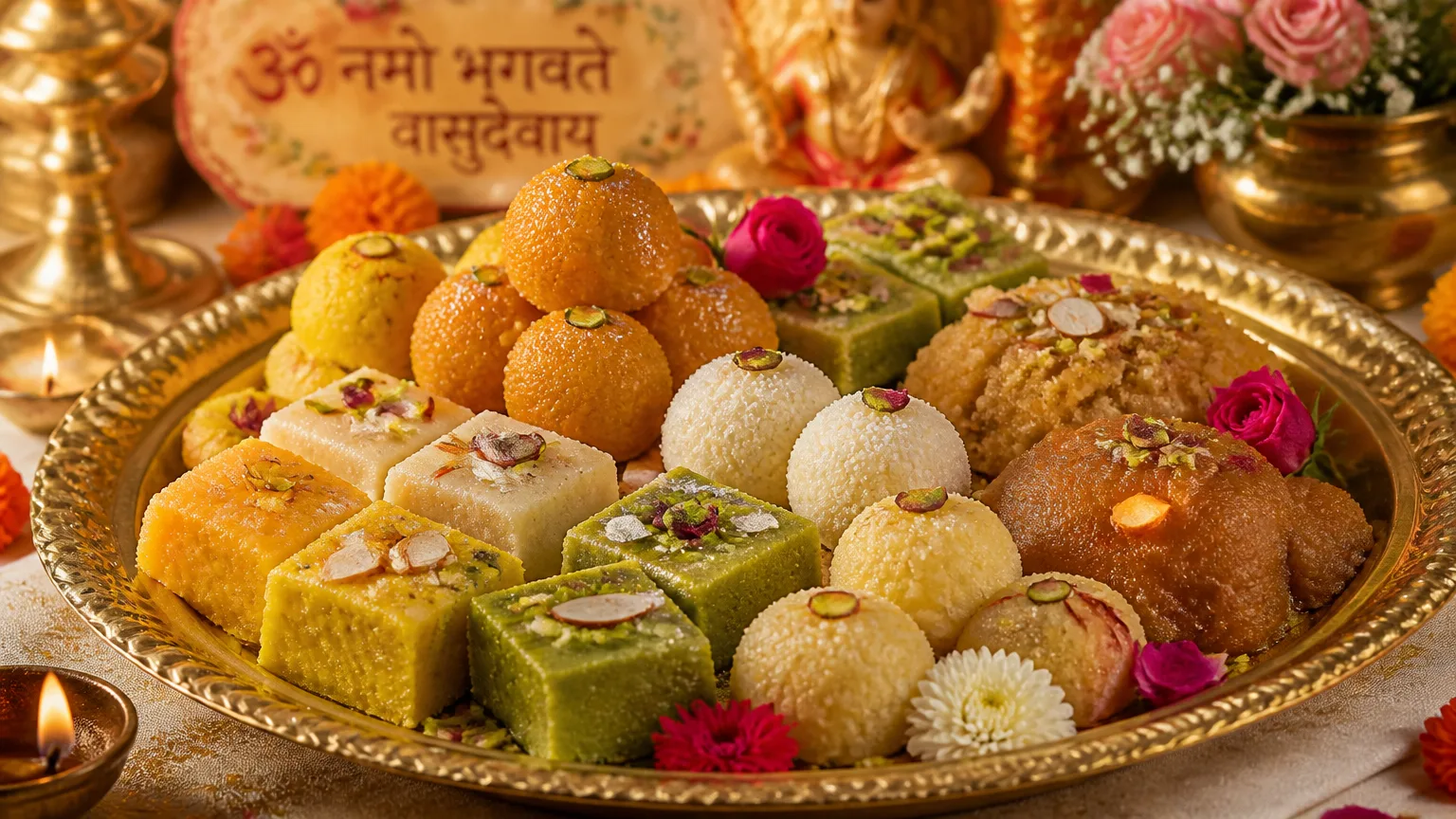
Ekadashi, a sacred day observed by followers of the Hare Krishna tradition, holds significant spiritual importance. It occurs twice a month, offering devotees an opportunity to deepen their connection with the divine through fasting and prayer. Engaging in this practice not only purifies the body but also elevates the spirit, making it a time for reflection and devotion.
During these holy days, the preparation and offering of sweets play a vital role. Ekadashi sweets recipes from ISKCON, crafted with devotion, serve to uplift the spirit and enhance the sacred atmosphere. These delightful confections are not merely treats; they symbolize love and devotion towards Lord Krishna. Offering these sweets during Ekadashi can transform your spiritual experience, allowing you to connect more profoundly with your practice.
As you explore the divine world of Ekadashi sweets, consider how these recipes can enrich your spiritual journey. For a broader culinary experience, you may also wish to discover the “10 Delicious Ekadashi Food Recipes from ISKCON to Enrich Your Spiritual Practice” to complement your fasting and devotion. Embrace this opportunity to nourish both body and soul while celebrating your faith through these delectable offerings.
1. Coconut Ladoo: A Sweet Symbol of Purity
Coconut Ladoo is a cherished sweet often prepared during Ekadashi. This delightful treat symbolizes purity and devotion, making it an ideal offering during fasting. The primary ingredients include fresh grated coconut, jaggery, and cardamom, each contributing to both flavor and spiritual significance.
To prepare Coconut Ladoo, begin by lightly toasting the grated coconut in a pan. This enhances its natural sweetness and aroma. Next, add jaggery, stirring until it melts and combines with the coconut. Incorporate a pinch of cardamom for a fragrant finish. Once the mixture cools, shape it into small, round balls.
In Hindu offerings, coconut represents purity and selflessness. Its use in sweets reflects the devotees’ intention to offer their best to the divine, embodying the essence of their spiritual journey. By preparing and sharing Coconut Ladoo, you nurture both your physical and spiritual well-being, aligning with the ethos of Ekadashi sweets recipes from ISKCON.
2. Sabudana Kheer: A Creamy Delight
Sabudana Kheer is a beloved sweet dish that embodies comfort and nourishment during fasting periods, particularly on Ekadashi. This creamy delight combines tapioca pearls, milk, sugar, and cardamom, creating a rich texture that appeals to both the palate and the spirit.
To prepare Sabudana Kheer, begin by soaking 1 cup of sabudana (tapioca pearls) in water for about 30 minutes. Next, drain the pearls and set them aside. In a saucepan, heat 4 cups of milk and bring it to a gentle boil. Add the soaked sabudana, stirring continuously to prevent sticking. Cook until the pearls become translucent and tender, typically around 15-20 minutes. Sweeten the kheer with sugar to taste, and enhance its flavor with crushed cardamom. For a final touch, garnish with chopped nuts such as almonds or cashews.
Nutritionally, Sabudana is a good source of carbohydrates, providing energy during fasting. Its cultural significance on Ekadashi reflects the spiritual devotion of devotees, who create these sweets to honor their faith. By sharing this delicacy, one nurtures both their body and spirit, aligning with the essence of ekadashi sweets recipes from ISKCON.
3. Rajgira Sheera: A Fasting Staple
Rajgira Sheera, a delightful sweet made from amaranth flour, is a cherished dish during Ekadashi. To prepare this wholesome treat, begin by roasting one cup of rajgira flour in a pan until it turns golden brown. This enhances its nutty flavor and aroma, setting a warm tone for your preparation.
Next, in a separate pot, combine one cup of water and half a cup of sugar. Bring this mixture to a gentle boil. Once the sugar dissolves, slowly add the roasted amaranth flour, stirring continuously to prevent lumps. Cook the mixture until it thickens and absorbs the water, typically around five to seven minutes.
For added richness, consider incorporating a tablespoon of ghee and a pinch of cardamom. These ingredients not only enhance the flavor but also align with the spiritual intention of offering the best to the divine. Amaranth, revered in Indian cuisine, symbolizes resilience and purity, making it a perfect choice for Ekadashi sweets recipes from ISKCON.
Serve Rajgira Sheera warm, garnished with slivers of almonds or cashews for an elegant touch. This simple yet nourishing dish embodies the essence of devotion, nurturing both body and spirit during your spiritual journey.
4. Fruit Chaat: Freshness in Every Bite
Fruit chaat offers a vibrant and energizing option for those observing Ekadashi. This delightful dish showcases a medley of fresh fruits, including apples, bananas, pomegranates, and oranges, each selected for their natural sweetness and nutritional benefits.
Preparation is straightforward: simply chop the fruits into bite-sized pieces and mix them in a bowl. For added flavor, sprinkle a pinch of black salt and a dash of chaat masala. This combination enhances the fruits’ natural flavors while keeping the dish fasting-friendly.
Fresh fruits not only provide essential vitamins and minerals but also serve as a light and refreshing meal option. During fasting, they help maintain energy levels without overwhelming the digestive system. Incorporating fruit chaat into your Ekadashi menu aligns perfectly with ISKCON’s philosophy, allowing you to celebrate your spiritual journey with nourishment that invigorates both body and soul.
5. Makhana Kheer: A Light yet Luxurious Sweet
Makhana Kheer is a delightful dessert that embodies both richness and lightness, making it an ideal offering during festive occasions. Makhana, or fox nuts, hold significant spiritual importance in various traditions, often symbolizing purity and devotion. Their light nature ensures they are easily digestible, aligning perfectly with the principles of fasting observed on Ekadashi.
To prepare Makhana Kheer, begin by gently roasting the makhana until they turn golden. This enhances their natural flavor and aroma. In a separate pot, simmer full-fat milk and add sugar to taste, allowing it to dissolve completely. Gradually incorporate the roasted makhana, stirring consistently. For a luxurious touch, consider adding cardamom powder and a handful of saffron strands, which elevate both flavor and fragrance.
Experimenting with variations can enhance the dish further. For instance, incorporating shredded coconut or a medley of dried fruits can create a richer texture and taste. Each spoonful of Makhana Kheer not only satisfies the palate but also nurtures the spirit, making it a perfect fit within the framework of ekadashi sweets recipes from ISKCON. Sharing this exquisite dish with loved ones fosters a sense of community and devotion, enriching both the culinary experience and the spiritual journey.
6. Carob Cake: A Healthier Choice
Carob cake serves as a delightful alternative for those observing Ekadashi. Made from the naturally sweet carob pods, it provides a rich flavor while remaining caffeine-free and low in fat. This makes it an excellent choice for maintaining energy levels during fasting.
To prepare this cake, combine ground carob powder with alternative ingredients such as almond flour and coconut sugar. These substitutes not only enhance the nutritional profile but also align with the principles of Ekadashi. For a touch of decadence, consider adding a splash of vanilla extract or a pinch of cinnamon.
The health benefits of carob extend beyond taste; it is high in fiber, which aids digestion and promotes a feeling of fullness. Incorporating carob into your spiritual practice can deepen your connection to the divine. When you prepare this dish, you honor both your body and your commitment to spiritual growth.
For a step-by-step guide, you can Master the Carob Cake Recipe Iskcon: A Spiritual Delight for Your Kitchen. This recipe will help you create a cake that not only elevates your palate but also enriches your spiritual journey.
7. Chikki: Ancient Indian Energy Bars
Chikki, a traditional Indian sweet, is a cherished comfort food among devotees. Made from jaggery and a variety of nuts, it provides sustained energy—ideal for fasting days such as Ekadashi. The simple combination of these wholesome ingredients embodies both nourishment and devotion.
To prepare Chikki, gather the following ingredients: 1 cup jaggery, 2 cups mixed nuts (such as peanuts, almonds, and cashews), and a pinch of cardamom. Begin by heating the jaggery in a pan until it melts into a syrup. Stir in the nuts and cardamom, mixing thoroughly. Pour the mixture onto a greased surface and flatten it evenly. Allow it to cool before cutting into bars.
Historically, Chikki has been consumed during fasting occasions. Its nutritional value makes it an excellent choice for maintaining energy levels while adhering to spiritual practices. Enjoying Chikki during Ekadashi not only satisfies cravings but also strengthens your connection to tradition and faith.
8. Banana Halwa: A Sweet Surprise
Banana Halwa serves as a delightful treat during spiritual gatherings, embodying both taste and devotion. To prepare this dish, begin by mashing ripe bananas and cooking them with ghee, jaggery, and a sprinkle of cardamom. The combination of these ingredients creates a rich, aromatic sweetness that captivates the senses.
Enhancing the flavor further, consider adding chopped nuts such as cashews and almonds. These not only contribute texture but also elevate the dish’s nutritional profile. Traditionally, bananas symbolize prosperity and fertility, making them a significant offering in many spiritual practices.
Incorporating Banana Halwa into your Ekadashi menu aligns with ISKCON’s principles of devotion. Sharing this sweet delicacy fosters community and deepens one’s spiritual connection, making it a cherished addition to any festive occasion.
9. Oats Payasam: A Nutritious Twist
Oats Payasam offers a modern and nutritious twist on traditional sweet dishes, making it an ideal addition to your Ekadashi observances. This delightful dessert combines the wholesome benefits of oats with the comforting sweetness of coconut milk and jaggery, creating a dish that nourishes both body and spirit.
To prepare Oats Payasam, begin by roasting 1 cup of oats in a pan until golden. In a separate pot, combine 4 cups of water and bring to a boil. Add the roasted oats, cooking them until soft. Stir in 1 cup of coconut milk and ½ cup of jaggery, allowing it to dissolve completely. Enhance the flavor by adding a pinch of cardamom and garnishing with nuts like cashews or almonds.
Oats are rich in fiber and essential nutrients, promoting digestive health and sustained energy. Integrating oats into your spiritual cooking not only aligns with ISKCON’s emphasis on purity and devotion but also reflects a commitment to holistic well-being. By preparing Oats Payasam, you honor your spiritual practice while embracing a healthier lifestyle, enriching both your body and soul during your fasting journey.
10. Vegetable Kheer: A Unique Offering
Vegetable Kheer presents a delightful twist on a traditional favorite, inviting creativity into your spiritual cooking. By incorporating vegetables such as carrots, peas, or bottle gourd, this dish elevates the classic kheer, enriching its nutritional profile while maintaining the essence of sweetness.
Fasting during Ekadashi does not mean sacrificing flavor. This unique offering allows you to explore diverse tastes and textures, enhancing your culinary experience. The natural sweetness of the vegetables complements the creamy base, creating a harmonious balance that nurtures both body and spirit.
Experimenting with Vegetable Kheer encourages a deeper connection to your spiritual journey. As you prepare this dish, reflect on the joy of creating something new that aligns with the principles of Ekadashi sweets recipes from ISKCON. This nurturing approach to cooking fosters a sense of devotion, allowing you to share your creations with loved ones in celebration of your faith.
Elevate Your Spiritual Journey with These Sweets
As you explore these ten delightful Ekadashi sweets recipes from ISKCON, remember that each dish serves as a conduit for both nourishment and spiritual elevation. The preparation and enjoyment of these sweets reflect the essence of devotion, allowing you to deepen your connection to faith and community.
Engaging in the act of cooking these recipes not only satisfies your physical cravings but also enhances your spiritual practice. Sharing these creations with family and friends fosters a sense of unity and joy, enriching your collective spiritual journey. For instance, serving Coconut Ladoo or Rajgira Sheera during gatherings can transform mealtime into a sacred experience, celebrating devotion through shared culinary delights.
We encourage you to try these recipes and share your experiences. Your insights can inspire others on their spiritual paths. For further inspiration, consider exploring the 10 Must-Try ISKCON Temple Food Recipes for Spiritual Cooking at Home, which can complement your Ekadashi practices.
Incorporating these sweets into your spiritual routine not only nourishes the body but also uplifts the spirit, making your journey more fulfilling. Embrace this opportunity to connect with tradition, community, and your inner self.