
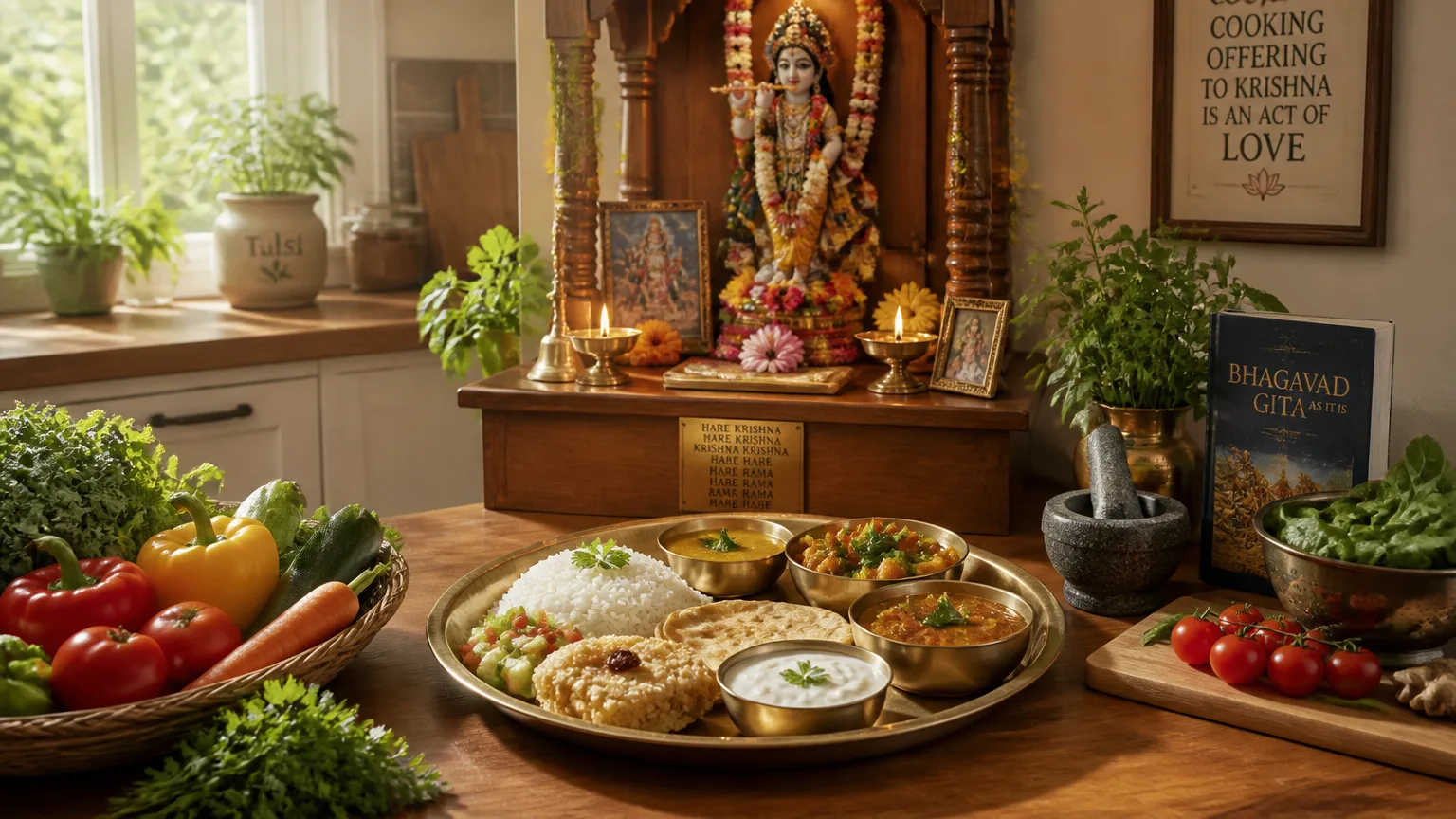
The Hare Krishna diet emphasizes purity and devotion, rooted in the spiritual practices of the International Society for Krishna Consciousness (ISKCON). This diet is not merely about nutrition; it’s a sacred process that transforms cooking into a spiritual practice. By preparing food with love and devotion, practitioners believe they can elevate their consciousness and connect more deeply with the divine.
Central to the Hare Krishna diet is the principle of offering food to Krishna before consumption, known as “prasadam.” This act imbues the meal with spiritual energy, making it a nourishing experience for both body and soul. Furthermore, the diet encourages the use of fresh, natural ingredients, reflecting a commitment to health and well-being.
In this article, we will explore seven essential principles of the Hare Krishna diet that guide practitioners in their spiritual cooking journey. Each principle not only enhances culinary practices but also enriches the spiritual life of individuals.
1. Sattvic Ingredients: The Foundation of Spiritual Cooking
Sattvic ingredients form the cornerstone of the Hare Krishna diet, emphasizing purity and spiritual elevation. Defined as foods that are fresh, wholesome, and natural, Sattvic ingredients promote clarity of mind and body.
Ideal examples include:
- Fruits: Bananas, apples, and berries are not only nutritious but also energizing.
- Vegetables: Leafy greens, carrots, and zucchini provide essential vitamins and minerals.
- Grains: Whole grains like rice, quinoa, and oats serve as grounding staples.
Incorporating these ingredients into meals not only supports physical health but also aligns with the spiritual principles of the Hare Krishna diet. Choosing Sattvic foods cultivates a harmonious environment, allowing practitioners to connect more deeply with their spiritual practices and intentions.
2. Cooking with Love and Devotion
Cooking is more than just a routine; it is an act of devotion in the Hare Krishna diet. When practitioners prepare meals with intention and love, the energy infused into the food transforms simple ingredients into sacred offerings. This connection elevates the cooking process, allowing it to become a spiritual practice.
Mindfulness plays a crucial role in this transformation. By focusing on each step—from selecting ingredients to stirring the pot—cooks cultivate a deeper awareness of their actions. This mindfulness enhances the spiritual experience, turning a mundane task into a sacred ritual.
For example, chanting mantras while cooking can create an atmosphere of devotion. This practice not only uplifts the cook’s spirit but also imbues the food with positive energy. Ultimately, cooking with love and devotion enriches both the meal and the spiritual journey of the practitioner.
3. Offering Food to Krishna
Offering food to Krishna is a vital ritual in the Hare Krishna diet. This practice transforms ordinary meals into Prasad, or sanctified food, which is believed to carry divine blessings. By offering food to Krishna, practitioners acknowledge His presence and express gratitude for His sustenance.
The act of offering purifies the food, elevating its spiritual significance. It is said that when food is offered with love and devotion, it becomes imbued with spiritual energy. This energy enhances not only the meal but also the cook’s intention, fostering a deeper connection to their spiritual path.
For example, before serving a dish, practitioners may chant mantras to invoke Krishna’s blessings. This ritual creates a sacred atmosphere and reinforces the importance of spirituality in daily cooking, making each meal a celebration of devotion.
4. The Role of Festivals and Special Occasions
Festivals play a vital role in the Hare Krishna diet, transforming routine cooking into a joyous communal celebration. Special occasions, such as Janmashtami and Diwali, inspire unique recipes that highlight Sattvic ingredients, reinforcing spiritual connections through food.
For instance, during Janmashtami, practitioners often prepare kheer and paneer dishes, which not only nourish the body but also honor Lord Krishna. These festive recipes encourage community participation, allowing devotees to share their culinary creations and experiences.
Celebration fosters a deeper connection to the spiritual path, as practitioners express devotion through cooking. Engaging in these festivities can elevate the cooking experience and promote a sense of unity. For more insights, explore the 10 Delicious Ekadashi Food Recipes from ISKCON to Enrich Your Spiritual Practice, which further exemplifies the significance of culinary traditions in spiritual celebrations.
5. Embracing Seasonal and Local Ingredients
Utilizing seasonal and local ingredients enhances the Hare Krishna diet by fostering a deeper connection with nature. Seasonal produce is often fresher and more flavorful, which elevates the quality of meals. Additionally, cooking with local ingredients supports sustainability and reduces environmental impact.
Sourcing local ingredients can be straightforward. Consider visiting farmers’ markets or joining a community-supported agriculture (CSA) program. These avenues not only offer fresh produce but also connect you with local farmers who share a commitment to sustainable practices.
Incorporating these seasonal foods into your meals can also inspire creativity in the kitchen. For more ideas, explore the 10 Must-Try ISKCON Temple Food Recipes for Spiritual Cooking at Home. Embracing these principles enhances both culinary experiences and spiritual growth, aligning with the core tenets of the Hare Krishna diet.
6. Simplicity and Wholesomeness in Preparation
Simplicity in cooking methods and recipe selections plays a crucial role in the Hare Krishna diet. Simple recipes support the spiritual process by allowing practitioners to focus on the quality of ingredients and the intention behind each meal. This approach cultivates mindfulness and reverence for the food being prepared.
Methods that enhance flavor without complexity are essential. For instance, using fresh herbs, spices, and natural sweetness from fruits can elevate dishes without the need for elaborate techniques. A dish like a simple vegetable stir-fry can be both nourishing and delicious when prepared with love and devotion.
Additionally, herbal teas can complement meals and enhance the spiritual atmosphere. For a refreshing option, consider trying Revitalize Your Spirit: The Ultimate Iskcon Herbal Tea Recipe, which embodies the principles of simplicity and wholesomeness.
By embracing these straightforward approaches, practitioners can create meals that nourish both the body and the soul.
7. Mindful Consumption: Eating with Awareness
Mindful consumption is a cornerstone of the Hare Krishna diet, emphasizing awareness during meals. Practicing mindfulness encourages individuals to fully engage with their food, enhancing the dining experience. This approach fosters a deeper connection to the ingredients and the effort behind each dish.
Before and after meals, expressing gratitude is essential. Taking a moment to reflect on the nourishment provided by the food helps cultivate appreciation. Practitioners often say a prayer or chant a mantra, reinforcing their spiritual connection to the meal.
For instance, while enjoying a homemade dessert, one might explore recipes such as the 5 Irresistible Hare Krishna Cake Recipes to Enhance Your Spiritual Journey. This practice not only elevates the flavor but also enriches the spiritual significance of eating.
By incorporating mindfulness and gratitude, practitioners can transform each meal into an opportunity for spiritual reflection and growth.
Conclusion: Integrating Diet and Spirituality
The Hare Krishna diet offers profound opportunities for spiritual growth through mindful cooking. By applying the seven essential principles discussed, practitioners can enrich their daily lives and deepen their connection to spirituality. Simple acts, such as preparing Sattvic foods or chanting mantras while cooking, transform meals into sacred rituals.
Incorporating these principles into everyday life not only elevates culinary experiences but also fosters a harmonious environment conducive to spiritual reflection. Each meal can become a moment of devotion, allowing individuals to connect with their higher selves and the divine.
To further enhance your spiritual cooking journey, explore additional resources and recipes that align with these principles. Engaging with the broader community and culinary traditions can provide inspiration and deepen your practice. Remember, every meal is an opportunity to nourish both the body and the soul, creating a pathway to spiritual enlightenment.