
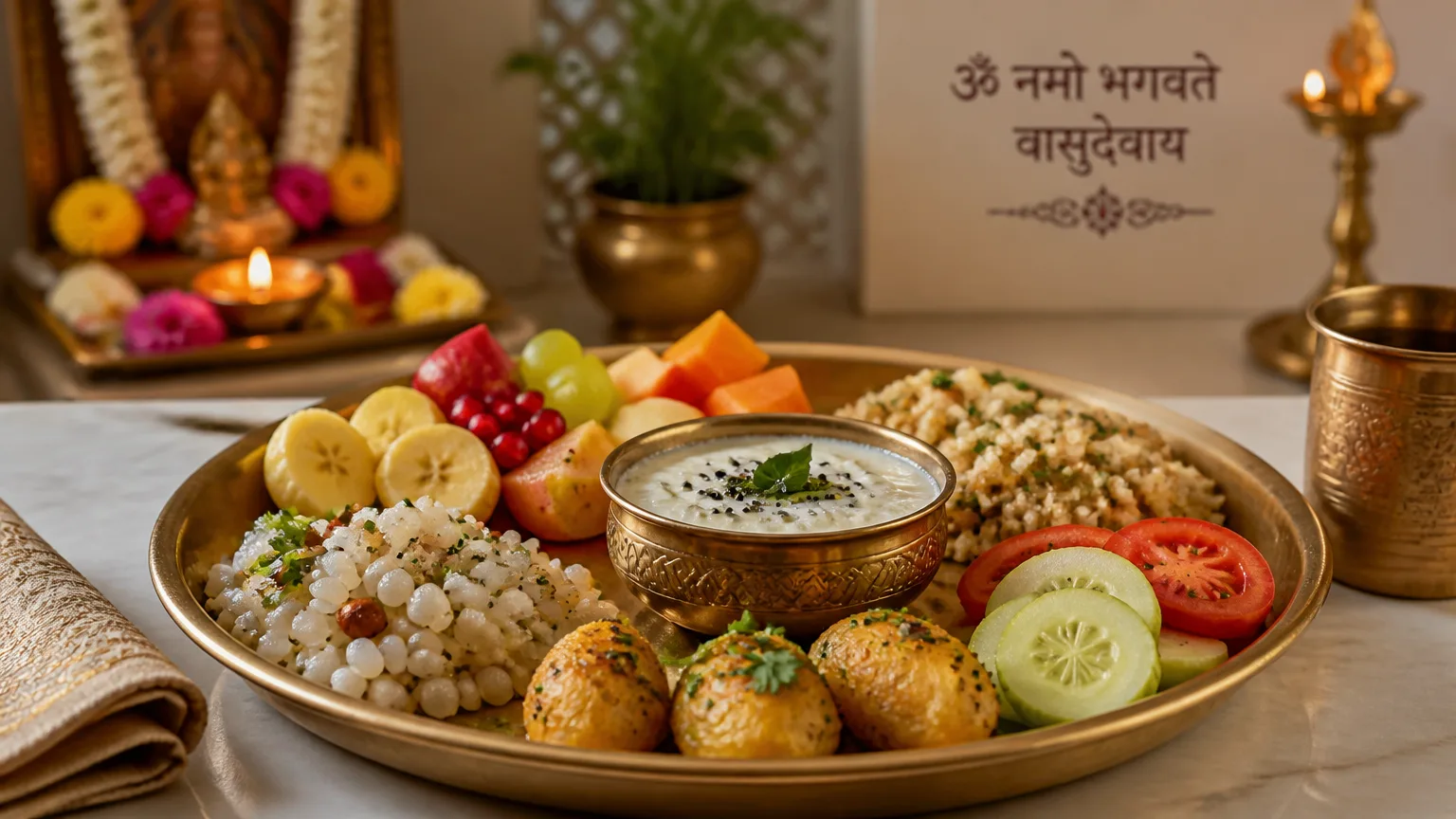
Ekadashi holds profound spiritual significance within the Hare Krishna tradition. Observed twice a month, this sacred day is dedicated to fasting and spiritual reflection, allowing practitioners to deepen their devotion. Engaging in specific dietary practices, particularly through ekadashi food recipes from ISKCON, enhances one’s spiritual journey and connection with the divine.
During Ekadashi, devotees often abstain from grains and legumes, opting instead for Sattvic foods that promote clarity and serenity. This dietary restraint not only aids in physical purification but also facilitates a deeper meditative state. The act of preparing and consuming these meals becomes a form of devotion, transforming the kitchen into a sacred space.
Incorporating Sattvic cooking into your Ekadashi observance fosters a connection between food and spirituality. Each dish prepared with love and intention serves as an offering, enriching both the body and the soul. For those seeking to explore this culinary aspect further, consider discovering the 10 Must-Try ISKCON Temple Food Recipes for Spiritual Cooking at Home. Through these recipes, you can experience the divine in every bite while enhancing your spiritual practice.
1. Heavenly Navratan Korma
Heavenly Navratan Korma is a vibrant dish that embodies the richness of nature’s bounty. This flavorful vegetable medley is not only pleasing to the palate but also aligns with the principles of Sattvic cooking, emphasizing purity and spiritual elevation. Ingredients such as fresh vegetables, nuts, and aromatic spices work together to create a harmonious balance, essential for Ekadashi meals.
To master this divine dish, focus on high-quality, Sattvic ingredients. Select seasonal vegetables and avoid processed additives. By doing so, you infuse your cooking with a sense of reverence and mindfulness. For detailed guidance, you can refer to the comprehensive resource, Master the Navratan Korma Recipe: A Divine Hare Krishna Guide.
This recipe serves as a reminder of the interconnectedness of our nourishment and spiritual practice, enhancing both your meal and your devotion.
2. Revitalizing ISKCON Herbal Tea
This rejuvenating herbal tea is a cornerstone of ISKCON’s fasting traditions, designed to enhance both wellbeing and spiritual clarity. The blend typically features ingredients such as ginger, tulsi (holy basil), and lemon, each known for their health benefits. Ginger aids digestion and boosts immunity, while tulsi is revered for its calming properties, making it an ideal companion for fasting days.
To brew the perfect cup, bring water to a boil and steep the herbs for at least five minutes. Consider adding a touch of honey for sweetness and additional energy. For a deeper dive into this refreshing beverage, explore the recipe in Revitalize Your Spirit: The Ultimate Iskcon Herbal Tea Recipe. This tea not only nourishes the body but also elevates the spirit, reinforcing the sacred connection between your meals and your devotion.
3. Enlightening Kichari
Kichari is a quintessential dish that embodies the harmony of nutrition and spirituality. This simple yet nourishing preparation combines rice and mung dal, providing a complete protein source. It supports both physical health and spiritual clarity, making it an ideal choice for Ekadashi fasting.
To prepare Kichari easily for Ekadashi, start by rinsing one cup of basmati rice and one cup of split mung dal. In a pot, heat two tablespoons of ghee and add cumin seeds for flavor. Once fragrant, combine the rice and dal with six cups of water, along with a pinch of salt and turmeric. Allow it to simmer for 20-30 minutes until the ingredients meld into a creamy consistency.
This dish not only satisfies hunger but also aligns with the purpose of Ekadashi, fostering a deeper connection to your spiritual practice. By incorporating Kichari into your fasting routine, you experience nourishment that transcends the physical, enhancing both body and soul.
4. Sweet Carob Cake
The Sweet Carob Cake serves as a delightful alternative to traditional desserts during Ekadashi. Utilizing carob instead of chocolate, this recipe offers a healthier option that remains indulgent without compromising your spiritual practice. Carob, rich in fiber and naturally sweet, provides a unique flavor profile while reducing guilt associated with typical sweets.
This cake is perfect for special occasions, elevating your Ekadashi gatherings. Serve it alongside fresh fruits or a dollop of coconut cream to enhance its taste and presentation. For those looking to create this spiritual delight, refer to the detailed instructions in the Master the Carob Cake Recipe Iskcon: A Spiritual Delight for Your Kitchen. Embrace this sweet treat as a nourishing offering that connects your culinary experience with your spiritual journey.
5. Festive Eggless Pumpkin Pie
The Festive Eggless Pumpkin Pie embodies the spirit of the harvest season, inviting joy and togetherness. This delightful dessert showcases how you can create a rich, flavorful pie without eggs, ensuring that everyone can partake in its blessings. By using ingredients like silken tofu or a combination of flaxseed meal and water, you can achieve a creamy consistency that mirrors traditional recipes.
Sharing food during spiritual observances is a powerful act that fosters community and connection. When you serve this pumpkin pie to family and friends, you not only offer nourishment but also extend the warmth of your spiritual journey. For a complete guide on crafting this delectable dish, refer to The Ultimate Eggless Pumpkin Pie Recipe: A Spiritual Feast for All. Embrace this recipe as a means to deepen your spiritual practice while celebrating the joys of sharing.
Conclusion: Embracing Ekadashi with Delicious Offerings
Incorporating the Ekadashi food recipes from ISKCON into your spiritual practice enriches both your physical and spiritual well-being. These recipes, designed with devotion in mind, serve as a bridge between nourishment and spirituality. Each dish not only satisfies the palate but also enhances your connection to the divine.
Mindful eating during Ekadashi fosters a greater awareness of your spiritual journey. By preparing and enjoying these sacred recipes, you engage in an act of devotion that transcends mere consumption. For instance, savoring a bowl of Kichari can transform your fasting experience into an opportunity for spiritual reflection and growth.
As you explore these culinary offerings, consider how they resonate with your spiritual goals. Each recipe invites you to pause, reflect, and deepen your commitment to your practice. By embracing the flavors and intentions behind these dishes, you cultivate a holistic approach to spirituality that nourishes both the body and the soul.
We encourage you to try these Ekadashi recipes as a means to deepen your spiritual practice. Each meal becomes an opportunity to connect with the divine, reinforcing the sacred interplay between diet, devotion, and spirituality. Embrace these offerings, and let them guide you on your journey toward greater spiritual fulfillment.