
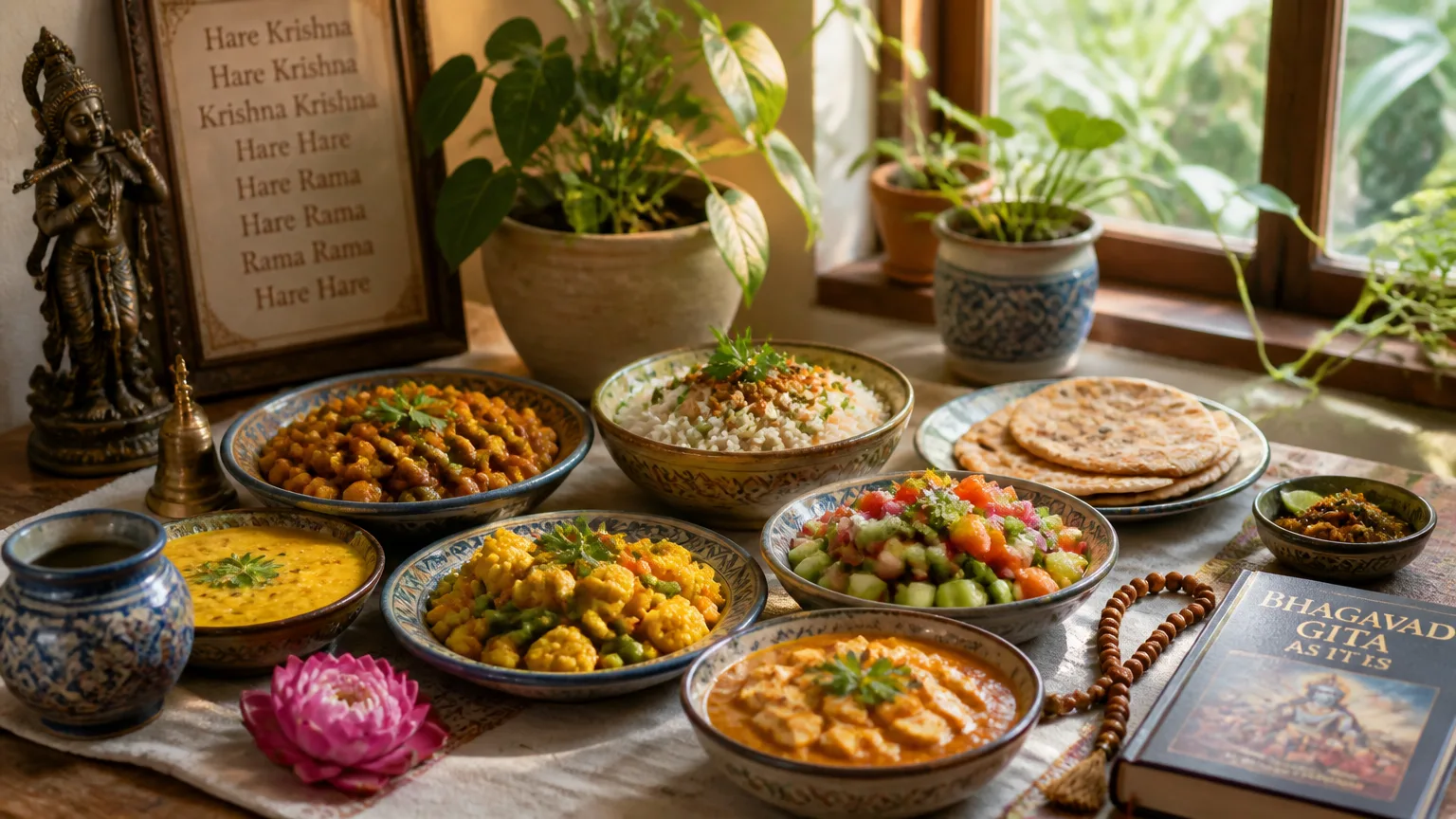
The Hare Krishna diet is a fascinating blend of spirituality and nutrition, centered around the principles of devotion and respect for all living beings. Those asking, “what do Hare Krishnas eat?” will find that their dietary choices reflect a deep commitment to vegetarianism. This lifestyle is not merely a health choice; it is a sacred expression of reverence for life and the divine.
In the Hare Krishna tradition, food holds significant spiritual value. Practitioners believe that all meals should be prepared with devotion and offered to Krishna before consumption. This practice, known as “prasadam,” transforms ordinary food into a sacred gift, enriched by spiritual energy. Eating prasadam is seen as a way to connect with Krishna, fostering a sense of community and shared purpose among devotees.
The diet primarily consists of fruits, vegetables, grains, and legumes, all prepared in a way that reflects respect and love. Each meal is an opportunity to practice mindfulness and gratitude, emphasizing the belief that food nourishes not just the body but also the soul. This article will delve deeper into the components of the Hare Krishna diet and its spiritual significance.
The Elements of a Devotional Diet
The Hare Krishna diet is deeply rooted in principles that underscore the importance of food quality and its impact on consciousness. Central to this diet are satvik foods, which promote purity, knowledge, and spiritual growth. These foods are typically fresh, wholesome, and prepared with devotion.
Key Components
1. Vegetarianism: Hare Krishnas strictly adhere to a vegetarian diet. This choice reflects compassion for all living beings and aligns with their spiritual beliefs. Common staples include fruits, vegetables, grains, and legumes.
2. Omission of Certain Ingredients: Foods like onion and garlic are excluded due to their supposed stimulating effects on the mind. Instead, spices such as turmeric and cumin are favored for their health benefits and flavor enhancement.
3. Mindful Preparation: Meals are prepared with love and respect, turning cooking into a devotional act. This practice reinforces the belief that food should nourish not only the body but also the soul.
For those interested in learning how to prepare these nourishing meals, the guide on Creating Satvik Food Recipes in the ISKCON Tradition offers valuable insights and recipes.
Common Ingredients Used
Hare Krishnas prioritize fresh, organic produce in their diet, reflecting their spiritual intent. Common staples include rice, lentils, and a variety of seasonal vegetables. These ingredients not only nourish the body but also elevate the spirit through their preparation and consumption.
Rice serves as a foundational element in many meals. It is often paired with lentils, which provide essential proteins and nutrients. Together, they create a balanced and wholesome dietary base.
Seasonal vegetables play a crucial role in the Hare Krishna diet. Using locally sourced, organic options ensures that meals are not only fresh but also resonate with the community’s values. Common choices include leafy greens, carrots, and squash, which are often prepared with spices to enhance their flavors.
Additionally, fruits such as bananas, apples, and mangoes are enjoyed for their natural sweetness. These ingredients serve as both snacks and dessert, reinforcing the idea that food should be delightful and nourishing.
For a practical example, consider trying out the Delicious Baked Kofta Balls in Tomato Sauce: ISKCON Recipe Guide. This recipe highlights the use of wholesome ingredients in an accessible and enjoyable manner.
Traditional Recipes and Their Spiritual Significance
Hare Krishna cuisine is rich in flavors and steeped in spiritual meaning. Iconic dishes often include Sabji, a vegetable curry that symbolizes the community’s reverence for the Earth’s bounty. Each ingredient is chosen with care, reflecting the belief that food should be as pure as the intentions behind its preparation.
Another beloved recipe is Khichdi, a comforting blend of rice and lentils. This dish represents balance and harmony, embodying the principle of simplicity in devotional living. Preparing Khichdi is often a communal activity, reinforcing bonds among devotees.
Chappatis, whole wheat flatbreads, are frequently served alongside meals. The act of rolling and cooking these breads is meditative, allowing practitioners to focus on their devotion.
Desserts, such as Gulab Jamun, made from milk solids and soaked in sugar syrup, remind devotees of the sweetness of divine love. Sharing these recipes within the community fosters a sense of togetherness, as each dish becomes a vehicle for expressing love and gratitude to the divine.
In Hare Krishna tradition, food is not merely sustenance; it is an offering and a profound connection to spirituality.
How to Incorporate Hare Krishna Principles into Everyday Cooking
Incorporating Hare Krishna dietary principles into your everyday cooking can be a fulfilling endeavor. Start by embracing mindfulness during food preparation. Take a moment to express gratitude for the ingredients and the nourishment they provide. This practice transforms cooking into a meditative act, aligning with the Hare Krishna belief that food should be offered with love.
Focus on vegetarian dishes that reflect these values. For example, consider preparing dishes like:
- Chickpea Curry: Rich in protein and flavor, this dish is both satisfying and nourishing.
- Vegetable Samosas: These crispy pastries filled with spiced potatoes and peas are perfect for sharing.
- Kitchari: A traditional Ayurvedic dish made of rice and lentils, promoting balance and health.
In addition to these recipes, use fresh, seasonal ingredients whenever possible. This not only enhances flavor but also respects the cycles of nature.
Lastly, consider sharing your meals with family and friends. Communal eating fosters a sense of togetherness and reflects the Hare Krishna emphasis on community and love. By adopting these principles, your cooking can become a celebration of both nourishment and spirituality.
Embracing the Devotional Diet
In summary, the Hare Krishna diet emphasizes the connection between food, spirituality, and community. This devotional approach not only nourishes the body but also uplifts the spirit, making each meal a sacred offering. By choosing fresh, vegetarian ingredients and preparing them with love, practitioners cultivate mindfulness and gratitude.
Exploring Hare Krishna recipes can enhance your culinary experiences. Consider integrating spiritual cooking into your life, allowing each dish to reflect both nourishment and devotion. Sharing these meals with family and friends further strengthens community bonds and embodies the love central to this tradition.
Ultimately, what do Hare Krishnas eat? They partake in a diet that celebrates life, love, and spirituality. Embrace this mindful approach to food, and let it enrich your own journey.