
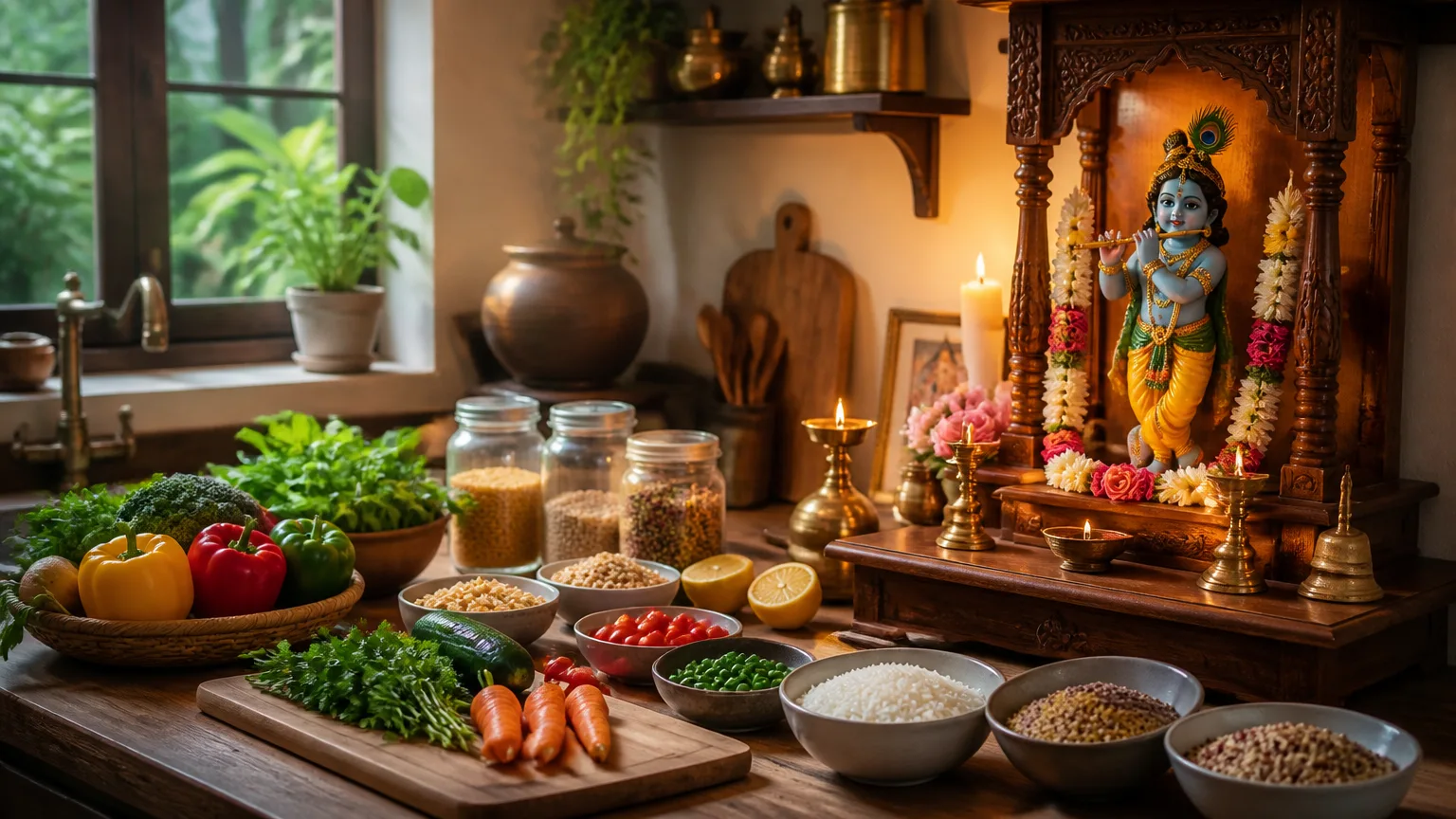
In the Hare Krishna tradition, cooking transcends mere sustenance; it becomes a sacred act known as spiritual cooking. This practice emphasizes devotion and mindfulness, allowing practitioners to create a Hare Krishna meal plan that honors both the ingredients and the divine. By preparing food with love and reverence, devotees transform the kitchen into a space of spiritual connection.
Spiritual cooking is not just about following recipes; it involves an intention to nourish the body and soul. When you cook with devotion, each ingredient is infused with positive energy, enhancing the meal’s spiritual significance. For instance, offering food to Krishna before consuming it elevates the cooking process, making it a form of worship.
Creating a meal plan rooted in this tradition nurtures both the body and the spirit. It encourages harmony, mindfulness, and a deeper understanding of the relationship between food and spirituality. As you embark on this culinary journey, you will discover how to integrate these principles into your daily life, enriching your spiritual practice one meal at a time.
Choosing the Right Ingredients for Spiritual Meals
Selecting the right ingredients is essential for creating a Hare Krishna meal plan that nourishes both the body and spirit. Emphasizing pure, satvik ingredients is fundamental, as these align with the dietary guidelines of the Hare Krishna tradition.
Fresh, seasonal produce is crucial. Using fruits and vegetables that are in season enhances flavor and nutritional value. For example, incorporating ripe tomatoes in summer or hearty root vegetables in winter can elevate your dishes. These ingredients not only taste better but also resonate with the natural rhythms of life.
Avoiding processed foods is equally important. Such foods often contain additives that can dull the mind and spirit. By choosing whole, natural ingredients, you cultivate a clearer, more focused state of being.
For further guidance, refer to our resource on Creating Satvik Food Recipes in the ISKCON Tradition: A Guide. This will provide you with insights on how to prepare meals that are spiritually uplifting and nourishing.
Crafting Your Daily Meal Plan
Creating a balanced Hare Krishna meal plan involves structuring meals thoughtfully to support both physical nourishment and spiritual growth. Start your day with a wholesome breakfast, incorporating items like oatmeal, fresh fruit, or smoothies made with natural ingredients. These meals provide energy and clarity, setting a positive tone for your day.
For lunch, focus on a hearty combination of grains, vegetables, and legumes. Dishes such as lentil soup or vegetable curries offer essential nutrients while aligning with your spiritual objectives. Remember to prepare meals that are vibrant and appealing to the senses, as this enhances the eating experience.
Dinner should be lighter yet satisfying. Consider options like vegetable stir-fries or quinoa salads, which promote digestion and balance. Incorporate seasonal ingredients to keep your meals varied and aligned with nature’s cycles.
Don’t forget about snacks! Healthy choices like fresh fruit, nuts, or homemade energy bars can sustain you between meals. For inspiration, explore “8 Delicious Hare Krishna Vegan Recipes You Must Try” for more ideas on nourishing, spiritually uplifting dishes.
By structuring your Hare Krishna meal plan with these guidelines, you will create a fulfilling and enriching culinary experience.
Incorporating Special Recipes for Festivals and Rituals
Incorporating traditional recipes into your Hare Krishna meal plan enhances not only your culinary experience but also your spiritual practice during festivals and rituals. Food holds cultural and spiritual significance within the Hare Krishna tradition, serving as a medium for devotion and connection to the divine.
During festivals like Janmashtami and Diwali, specific recipes take center stage. For instance:
- Sweets: Ladoo and Burfi are often prepared as offerings. These treats symbolize joy and are shared among devotees, fostering a sense of community.
- Snacks: Kachoris and Samosas are popular during celebrations. These savory delights can be offered to Krishna before being enjoyed, elevating the act of eating to a spiritual practice.
- Main Dishes: Pulao and Paneer Tikka are wholesome dishes that not only nourish the body but also please the palate. Preparing these dishes with love and devotion enhances their spiritual significance.
By integrating these recipes into your meal plan, you create a deeper connection to your faith. Each dish becomes an opportunity to celebrate and honor spiritual traditions, enriching your experience during special occasions.
Tips for Cooking with Devotion
Creating a peaceful cooking environment is essential for infusing your meal preparation with positive energy. Begin by decluttering your kitchen and arranging your utensils to foster a sense of calm. Soft lighting, pleasing scents, and gentle music can enhance this atmosphere, allowing you to focus on the task at hand.
Incorporating chanting and prayers into your cooking routine can further elevate your experience. As you prepare each ingredient, consider reciting mantras or dedicating your efforts to Krishna. This practice not only centers your mind but also transforms your cooking into a spiritual offering. For instance, chanting the Hare Krishna mantra as you chop vegetables can help you maintain a mindful presence.
Additionally, remember to express gratitude for the ingredients you use. Acknowledging their origins and the effort it took to bring them to your kitchen reinforces a connection between your food and your faith. Each act of preparation becomes a devotional practice, deepening your spiritual connection as you create meals for your Hare Krishna meal plan.
Embracing Spiritual Cooking
As you conclude your journey in creating a Hare Krishna meal plan, remember that the connection between food and spirituality is profound. Each meal prepared with intention serves not only to nourish the body but also to elevate the spirit.
Embrace the process of spiritual cooking by experimenting with different ingredients and recipes. Personalizing your meal plan allows you to find what resonates with your faith and lifestyle.
Consider trying new spices, grains, or vegetables to enhance your dishes, making each meal an expression of love and devotion. By engaging deeply with your cooking, you transform everyday meals into sacred rituals that enrich your spiritual practice.
Ultimately, your Hare Krishna meal plan is a reflection of your commitment to mindfulness and devotion. Celebrate this culinary adventure as you honor both your body and your beliefs.