
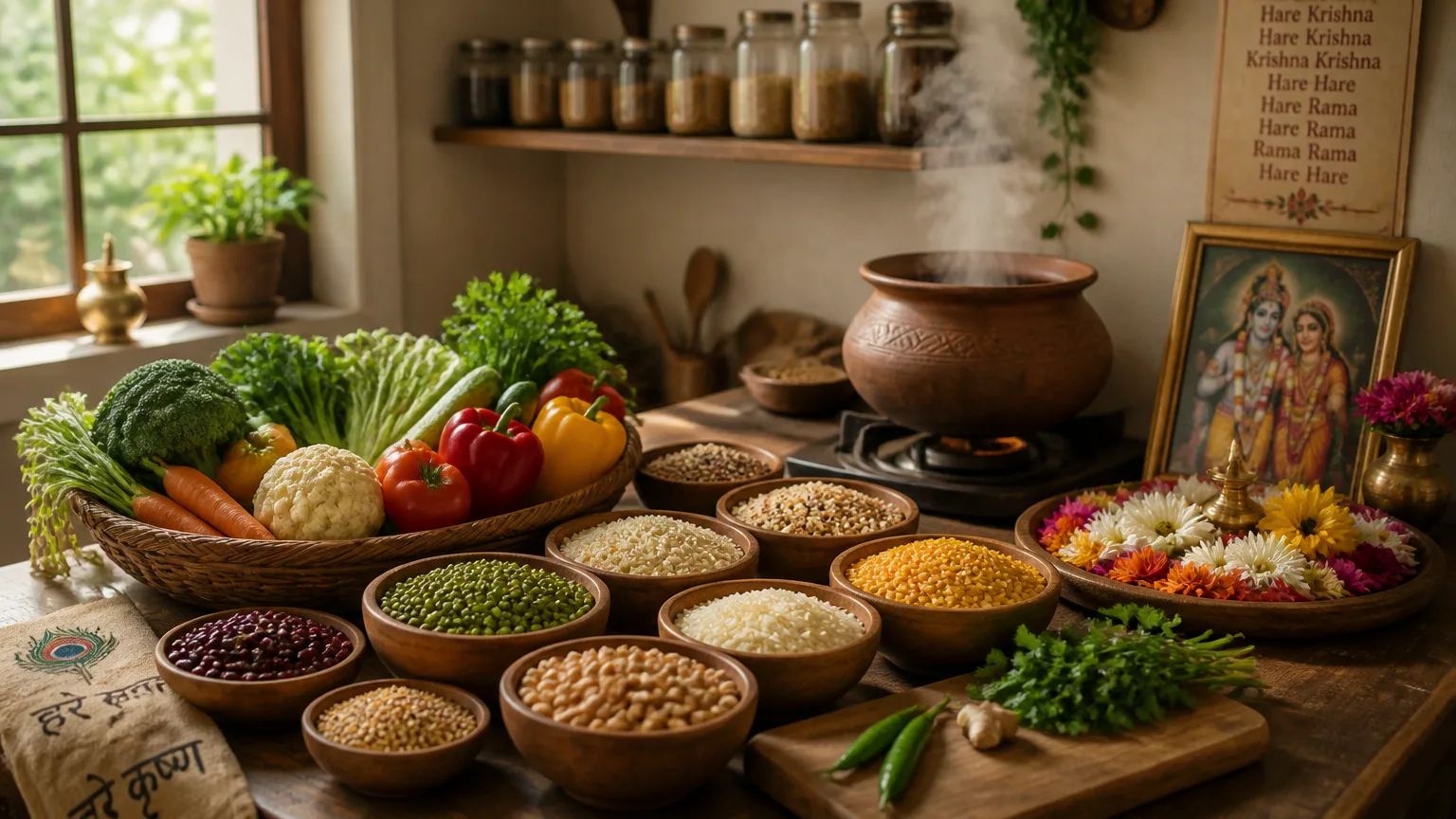
The Hare Krishna movement adheres to specific dietary restrictions, leading many to wonder, “what do Hare Krishnas not eat?” Central to their spiritual discipline is a strict vegetarian diet, which excludes meat, fish, and eggs. This practice reflects a commitment to ahimsa, or non-violence, emphasizing compassion for all living beings.
Understanding these dietary choices is crucial for those interested in the movement, as it can enhance both cooking practices and spiritual growth. For devotees, food is not merely sustenance; it is a medium for devotion. Meals are often prepared with love and offered to deities before consumption, transforming them into sacred prasadam.
In addition to avoiding animal products, Hare Krishnas also refrain from consuming certain foods that may be tamasic or rajasic—those that can be overly stimulating or detrimental to spiritual clarity. This includes processed foods, caffeine, and intoxicants.
For those looking to explore this culinary landscape, resources like The Ultimate Guide to Delicious Hare Krishna Recipes for Devotees offer valuable insights and recipes that align with these dietary principles. Embracing these guidelines can serve as a pathway to deeper spiritual connection and well-being.
1. Avoiding Meat, Fish, and Eggs
Hare Krishnas strictly avoid meat, fish, and eggs in their diets. This practice is rooted in the principle of ahimsa, or non-violence, which advocates for compassion towards all living beings. Followers believe that consuming animal products contributes to suffering and is contrary to their spiritual goals.
Eating meat is viewed as a significant barrier to spiritual development within the Hare Krishna tradition. The act of killing animals for food is seen as an obstruction to attaining higher consciousness and divine connection. By abstaining from these foods, devotees seek to purify their minds and bodies.
In place of meat, fish, and eggs, Hare Krishnas emphasize a vegetarian diet rich in fruits, vegetables, grains, and legumes. This approach not only aligns with their ethical beliefs but also supports a holistic lifestyle that fosters physical health and spiritual well-being. Examples of satisfying vegetarian dishes include lentil curry and vegetable biryani, which exemplify the richness of Hare Krishna cuisine.
2. No Onions and Garlic
Hare Krishnas adhere to a strict diet that excludes onions and garlic, largely due to their perceived effects on consciousness. These ingredients are believed to stimulate base instincts, which can detract from spiritual awareness and mental clarity. By avoiding them, devotees aim to maintain a state of purity in both diet and thought.
The philosophy behind these restrictions emphasizes the importance of consuming foods that promote higher states of consciousness. For Hare Krishnas, this means selecting ingredients that enhance spiritual focus and emotional tranquility.
Instead of onions and garlic, devotees often incorporate a variety of other flavorful ingredients, such as spices and herbs, to enrich their dishes. This approach not only aligns with their dietary restrictions but also allows for a diverse culinary experience.
For those interested in exploring this aspect of Hare Krishna cuisine, consider trying the 7 Divine No Onion No Garlic Veg Recipes to Try Today, which showcase the richness of flavors without compromising spiritual principles.
3. Avoiding Processed Foods and Alcohol
Hare Krishnas prioritize a diet grounded in purity. This extends to avoiding processed foods, which often contain additives that conflict with their commitment to wholesome nutrition. Many processed items have preservatives, artificial flavors, and colors that detract from the natural essence of food.
By choosing fresh, whole ingredients, devotees believe they nourish both the body and the spirit. For instance, preparing meals from fruits, vegetables, and grains ensures a clean diet that supports overall health and spiritual clarity.
Alcohol, on the other hand, is viewed as detrimental to judgment and spirituality. It can cloud the mind and divert focus from spiritual practices. In the Hare Krishna tradition, abstaining from alcohol promotes a clear state of consciousness, essential for meditation and devotion.
Together, avoiding processed foods and alcohol reinforces a lifestyle that cherishes purity and enhances spiritual well-being.
4. Emphasizing Satvik Food
Satvik food embodies the principles of purity and spirituality within the Hare Krishna tradition. This dietary approach emphasizes fresh fruits, vegetables, whole grains, and dairy products, all of which are considered conducive to spiritual growth.
Preparing satvik meals is often regarded as a meditative practice. The act of cooking becomes a form of devotion, allowing practitioners to infuse love and intention into their dishes. For instance, a simple preparation of steamed vegetables accompanied by brown rice not only nourishes the body but also uplifts the spirit.
To gain a deeper understanding of how to create these nourishing meals, refer to Creating Satvik Food Recipes in the ISKCON Tradition: A Guide. This resource provides valuable insights and recipes that align with the satvik principles, ensuring meals are both delicious and spiritually uplifting. By embracing satvik food, devotees enhance not only their diet but their overall spiritual experience.
5. The Role of Prasadam
Prasadam, or food offered to Lord Krishna, holds profound significance in the Hare Krishna tradition. This sacred food is considered a divine blessing, infused with spiritual energy after being presented in devotion. Consuming prasadam is not merely about nourishment; it is believed to enhance one’s spiritual connection and devotion.
Devotees view prasadam as a means to purify the heart and mind. For instance, meals prepared in this manner often include simple yet flavorful ingredients, aligning with the principles of satvik cooking. The act of sharing prasadam fosters community and strengthens bonds among devotees, emphasizing the collective experience of spirituality.
Certain dishes, such as sweet rice or various vegetable preparations, are common prasadam offerings. These foods become a source of spiritual sustenance, reinforcing the belief that every meal is an opportunity to connect with the divine. By prioritizing prasadam in their diets, Hare Krishnas deepen their relationship with Krishna and the broader spiritual community.
Embracing the Hare Krishna Culinary Tradition
In conclusion, understanding what Hare Krishnas do not eat is essential for both spiritual and health considerations. By adhering to these dietary restrictions, individuals can experience personal health benefits while fostering a deeper spiritual connection. Embracing a vegetarian diet free from onions, garlic, and processed foods promotes purity and clarity of mind.
Exploring Hare Krishna recipes offers a delightful opportunity to enhance your cooking skills. Dishes like lentil curry and vegetable biryani not only adhere to spiritual guidelines but also provide rich flavors that can transform mealtime into a sacred experience.
Ultimately, engaging with these culinary traditions can enrich your life, aligning your diet with your spiritual aspirations.