
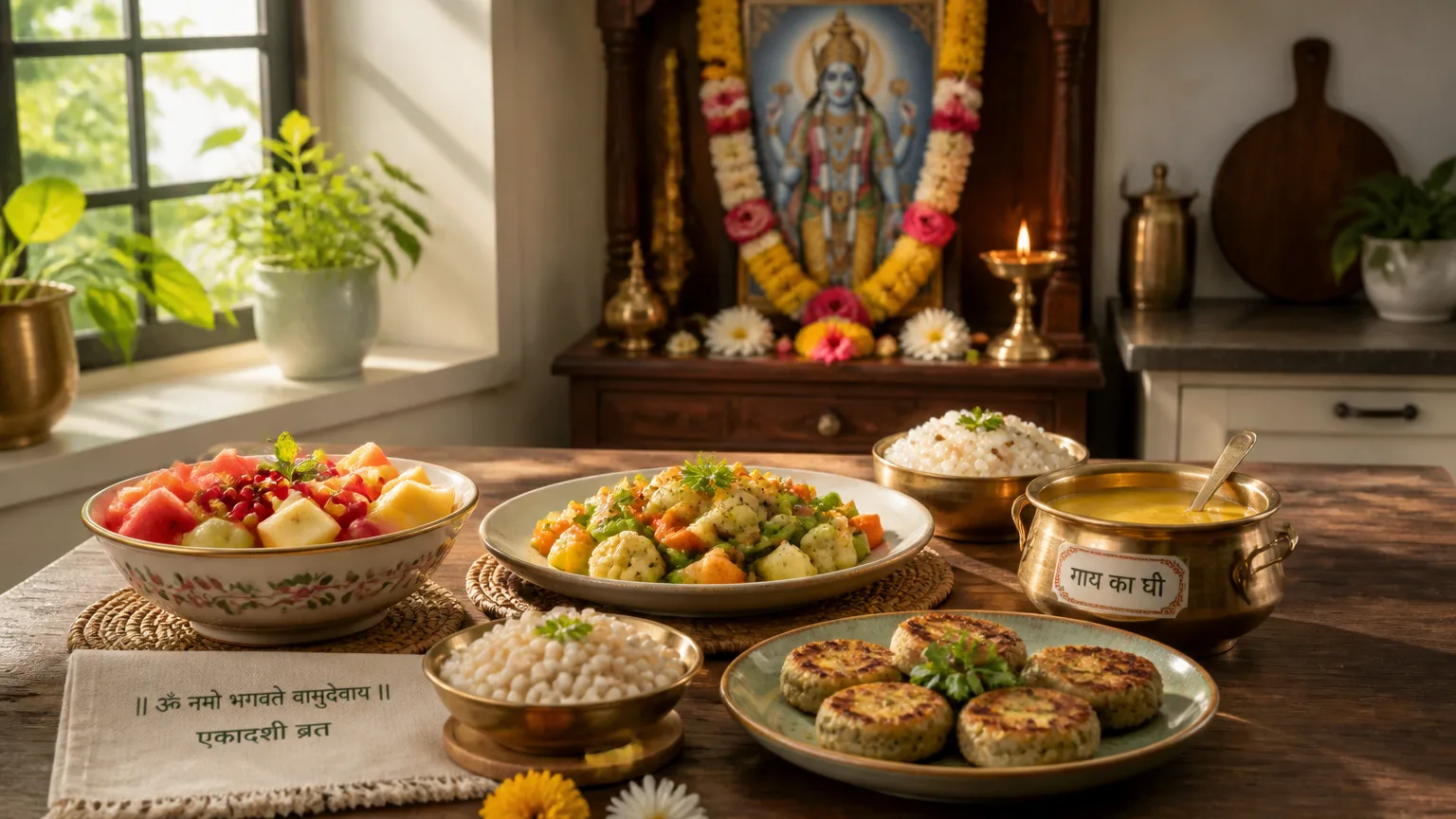
Ekadashi is a significant observance within the ISKCON community, occurring twice a month and dedicated to Lord Vishnu. This sacred day emphasizes fasting and abstaining from certain foods, allowing devotees to deepen their spiritual connection. The practice encourages mindful eating, transforming meals into offerings that enhance devotion and gratitude.
Fasting on Ekadashi is not merely a dietary restriction; it serves as a form of spiritual discipline. Devotees often prepare special dishes that align with the guidelines of Ekadashi, using ingredients that are permissible on this holy day. This focus on specific foods fosters a sense of reverence and intentionality in cooking, reinforcing the spiritual importance of each meal.
By exploring Ekadashi ISKCON recipes, devotees can discover various ways to honor this day through their culinary practices. Engaging with these recipes not only nourishes the body but also feeds the soul, providing a deeper understanding of what devotees can eat and how to prepare these meals. For further insight into the dietary practices of devotees, you can learn more about what do Hare Krishnas eat.
1. Classic Ekadashi Rice Preparation
Classic Ekadashi rice is a sacred dish that embodies simplicity and purity, aligning perfectly with the spiritual observance of fasting. For this preparation, it is essential to use special grains permitted on Ekadashi, such as barnyard millet or sabudana (tapioca pearls). These grains are not only allowed but are also nutritious alternatives that nourish the body while maintaining spiritual focus.
Ingredients:
- 1 cup barnyard millet or sabudana
- 2 cups water
- Salt (to taste)
- Ghee or coconut oil (for cooking)
- Cumin Seeds: Add during cooking for an earthy flavor.
- Black Pepper: Provides a subtle kick without overpowering.
- Coriander Powder: Offers a fresh aroma.
- 1 cup grated fresh coconut
- 1/2 cup jaggery, grated
- 1/4 cup water
- 1/2 teaspoon cardamom powder
- A pinch of salt
- Semolina: The base for the halva, providing texture.
- Ghee: Used for richness and flavor.
- Sugar: For sweetness, balancing the semolina.
- Nuts and Raisins: For added texture and nutrition.
Preparation Steps:
1. Rinse the Grains: Begin by rinsing the millet or sabudana thoroughly to remove any impurities. This step upholds the purity essential for Ekadashi meals.
2. Soak (if using sabudana): Soak sabudana in water for about 30 minutes. This enhances its texture.
3. Cook the Grains: In a pot, combine the rinsed grains with water and a pinch of salt. Bring it to a boil, then lower the heat and cover. Cook until the water is absorbed and the grains are tender (about 15-20 minutes for millet).
4. Add Ghee: Once cooked, stir in ghee or coconut oil to enhance flavor and richness.
Spice Variations:
To elevate the dish, consider adding spices such as:
This Classic Ekadashi rice dish exemplifies the essence of Ekadashi ISKCON recipes, combining devotion with culinary simplicity.
2. Ekadashi Vegetable Curry
Creating an Ekadashi Vegetable Curry is a delightful way to adhere to dietary restrictions while enjoying a flavorful dish. Begin by selecting permitted vegetables such as potatoes, carrots, green beans, and eggplant. These options not only comply with Ekadashi guidelines but also provide essential nutrients.
When cooking, prioritize techniques that preserve the nutritional value of the vegetables. Steaming or sautéing with minimal oil helps retain vitamins and minerals. For an added depth of flavor, incorporate spices like cumin seeds, black pepper, and coriander powder. These spices enhance the taste without compromising the dish’s purity.
To prepare the curry, start by heating a tablespoon of ghee or oil. Add cumin seeds and sauté until fragrant. Next, introduce your chopped vegetables, stirring them to coat with the spices. Pour in a cup of water and allow the mixture to simmer until the vegetables are tender. Finish with a sprinkle of fresh coriander for a touch of brightness. This Ekadashi dish exemplifies the balance of devotion and culinary simplicity, catering to both the spirit and the palate.
3. Ekadashi Pancakes
Ekadashi Pancakes are a delightful way to enjoy a nutritious meal while observing fasting principles. Made primarily with buckwheat flour, these pancakes are gluten-free and align perfectly with Ekadashi dietary restrictions.
To achieve a fluffy texture, whisk the batter thoroughly. Combine one cup of buckwheat flour with one cup of water, adding a pinch of salt for flavor. For added richness, incorporate mashed bananas or sweet potatoes into the mix. Let the batter rest for a few minutes before cooking to enhance fluffiness.
Cook the pancakes on a non-stick skillet over medium heat. Flip them once bubbles form on the surface, ensuring a golden-brown finish. Serve with a drizzle of honey or a dollop of coconut cream to elevate the taste.
For a complete meal, pair these pancakes with fresh fruit or a side of yogurt. This combination enriches the meal, making it not only satisfying but also spiritually uplifting. Enjoy these Ekadashi Pancakes as a wholesome treat that nourishes both body and soul.
4. Ekadashi Sweets: Coconut Ladoo
Coconut ladoos are a delightful sweet option for Ekadashi, nourishing both the body and soul. Prepared primarily from fresh coconut and natural sweeteners like jaggery, these ladoos are a perfect offering to the deities.
Ingredients
Step-by-Step Preparation
1. Dissolve Jaggery: In a saucepan, combine jaggery and water. Heat until the jaggery dissolves completely, creating a syrup.
2. Mix Ingredients: Add grated coconut and cardamom powder to the syrup. Stir continuously over low heat until the mixture thickens.
3. Shape Ladoos: Once the mixture cools, grease your hands and shape it into small balls or ladoos.
4. Cool and Serve: Allow ladoos to cool completely before offering them to deities.
Offering sweets like coconut ladoos during Ekadashi is a cherished tradition. For more inspiration, explore other delicious options in the hare krishna sweets guide.
5. Ekadashi Halva: A Sweet Ending
Ekadashi Halva is a beloved sweet treat that brings a delightful end to your Ekadashi celebrations. This dish embodies the spirit of devotion, where combining ingredients is done with mindfulness, reflecting the reverence of the occasion.
Ingredients
Preparation Steps
1. Roast Semolina: Gently roast semolina in ghee until golden.
2. Add Water: Gradually mix in water, stirring to prevent lumps.
3. Incorporate Sugar: Add sugar and mix until dissolved.
4. Fold in Nuts: Stir in your choice of nuts and raisins for added flavor.
Rituals and Offerings
Serving this halva as an offering to deities enhances the dining experience. It is customary to present the halva on a clean plate, adorned with flowers or leaves. This practice is deeply rooted in traditional offering customs, enriching the spiritual atmosphere.
For a detailed recipe, refer to the hare krishna halva recipe. This dish not only satisfies the palate but also nourishes the soul, making it a perfect addition to your Ekadashi ISKCON recipes.
Embracing Ekadashi Through Cooking
Incorporating Ekadashi ISKCON recipes into your culinary practice is a profound expression of devotion. The joy of cooking becomes a spiritual journey, allowing devotees to connect with their faith through each meal prepared. By embracing these recipes, you not only nourish the body but also cultivate a deeper spiritual connection.
Sharing these recipes within your community fosters a sense of unity and joy among devotees. Encourage discussions about your culinary experiences and explore variations together. Each shared dish becomes a celebration of devotion, enhancing the communal spirit.
Ultimately, the act of preparing and sharing Ekadashi meals reflects the sacred relationship between food and spirituality. As you continue to explore these recipes, remember that each bite is a step further on your spiritual path. Embrace the joy of cooking and share the blessings of Ekadashi with others.