
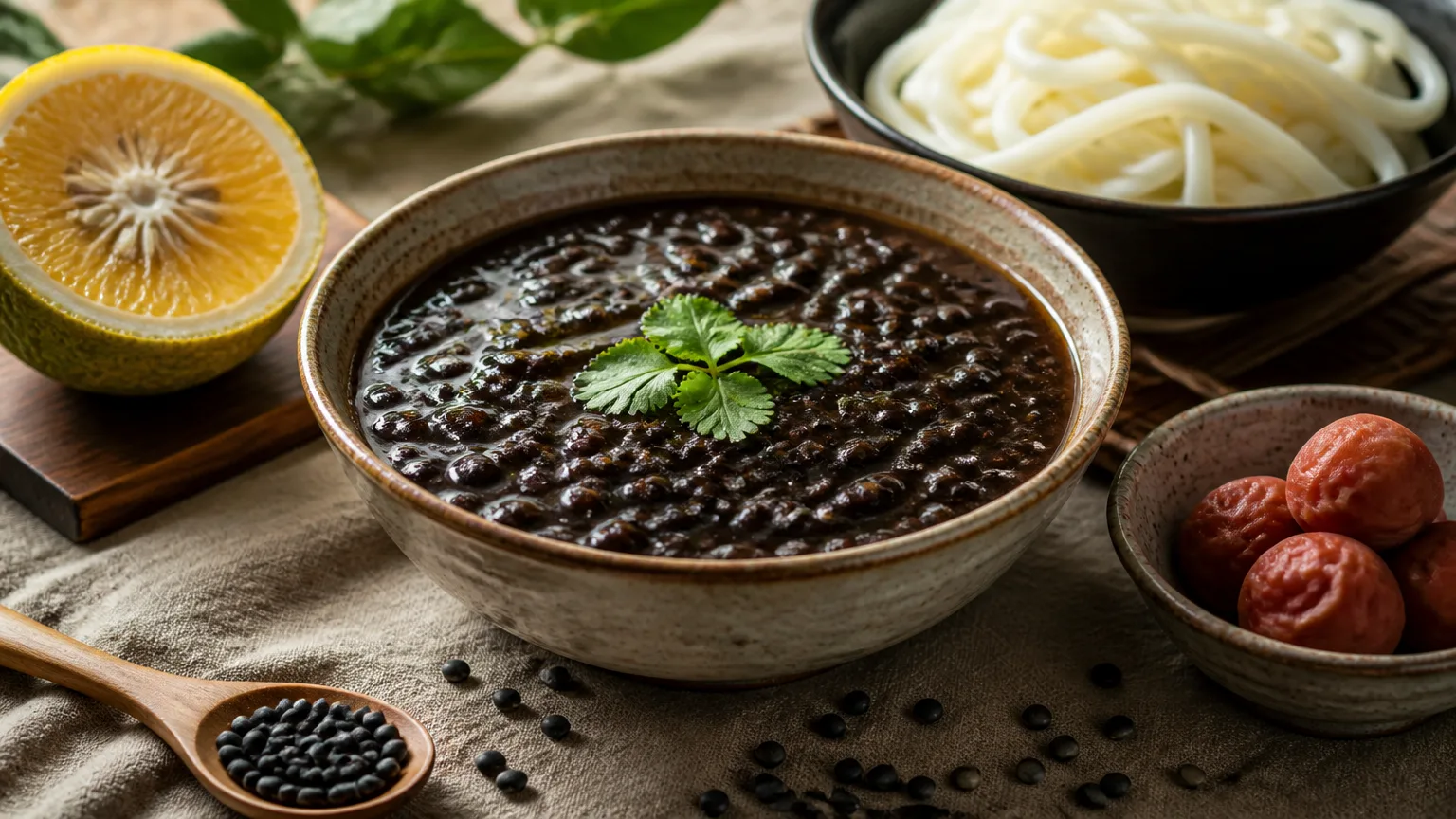
The search for food starting with u can lead to more variety than you might expect. This guide explores 15 fruits, dishes, and ingredients, from familiar pantry staples such as urad dal to regional specialties and less-common fruits such as ugli fruit.
These foods come from cuisines around the world, so names, recipes, and availability may vary by region. You’ll find practical ideas for vegetarian cooking, whether you’re exploring a new ingredient or looking for inspiration for your next meal.
Food can also carry spiritual meaning. Hare Krishna practitioners may prepare suitable vegetarian dishes and offer them to Krishna; others can enjoy the same foods without following a religious practice. For more vegetarian recipe inspiration, visit Hare Krishna Recipes.
1. Ube
Ube is a vivid purple yam used in Filipino cooking, especially in desserts. Its naturally sweet, mellow flavor has hints of vanilla and nuttiness. When cooked and mashed, it becomes soft and smooth, making it a colorful addition to many dishes.
Ube is not the same as taro or purple sweet potato, though all three can have purple hues. Taro is usually pale inside and has a mild, earthy taste, while purple sweet potato tends to be denser and more starchy. These differences matter when choosing ingredients for a recipe.
For a vegetarian treat, try ube halaya, a sweet yam jam often served on its own or used as a filling. Ube also works in cakes, pancakes, and sweet pastries. Shops commonly sell it fresh or frozen, as well as in powdered form, extract, jam, and ready-made desserts. Check packaged products for dairy, since some include milk or butter. Ube’s color and versatility make it a memorable food starting with U.
2. Udon
Ube brings color and sweetness to the table; udon offers a hearty, savory option. These thick Japanese wheat noodles have a soft, chewy texture and appear in brothy soups, chilled dishes, and stir-fries.
Udon is typically made from wheat flour, water, and salt. The noodles themselves contain no meat, but that does not automatically make a udon dish vegetarian. Soup bases may include fish, such as bonito, while toppings can add meat or seafood.
For a simple vegetarian meal, serve udon with vegetables and tofu in a carefully checked broth. Look for a broth labeled vegetarian, or confirm that it contains no fish-based ingredients. In warm weather, chilled udon with a dipping sauce makes a refreshing choice; for a quick dinner, stir-fry the noodles with vegetables and tofu.
Whether served hot, cold, or pan-fried, udon is a filling food starting with U that adapts easily to different meals.
3. Ugli Fruit
After savory noodles, try ugli fruit for a juicy, refreshing change. This Jamaican citrus hybrid is related to oranges, grapefruits, and tangerines. Its name reflects its rough, loose-looking peel, but the uneven skin does not tell you on its own whether the fruit is ripe.
Inside, ugli fruit has tender, juicy flesh with a sweet-tart flavor. Choose one that feels heavy for its size, which can indicate plenty of juice. The peel may have green patches even when the fruit is ready to eat, so check for a fresh citrus scent and avoid fruit with soft, damaged spots.
Peel it by hand, remove any seeds, and enjoy the segments fresh. Their bright flavor also works well in fruit salad, especially with berries, banana, or melon. For a simple dressing, whisk ugli fruit juice with olive oil, a little honey, and a pinch of salt. It adds a lively citrus note to leafy greens or grain bowls, making this an easy food starting with U to serve in both sweet and savory meals.
4. Ugali
After the bright citrus flavor of ugli fruit, ugali offers a simple, hearty change of pace. This East African staple is made by stirring maize flour into boiling water until it forms a firm, filling dough. It is commonly served as an accompaniment rather than eaten on its own.
Recipes and preferred textures vary among communities and households. Some cooks make ugali soft enough to scoop, while others prefer a firmer consistency that can be shaped by hand. Its mild, slightly sweet corn flavor pairs especially well with saucier dishes.
Serve ugali with vegetarian greens, such as collard greens or spinach, or with beans and a vegetable stew. The dense maize base balances rich sauces and absorbs their flavors, making each bite more satisfying. For example, a tomato-based bean stew can bring moisture and spice to a plate of plain ugali.
Though its ingredients are simple, ugali is a staple food starting with U that turns vegetables and legumes into a substantial meal.
5. Urad Dal
After the hearty cornmeal porridge ugali, another staple ingredient offers a different kind of comfort: urad dal. Also called black gram, this legume is common in South Asian cooking and can be prepared whole, split, or ground.
Whole black urad keeps its dark skin and tends to hold its shape when cooked. Split urad cooks faster, while split and skinned white urad dal becomes softer and creamier. These differences affect cooking time and texture, so choose the form that suits your dish.
Urad dal makes satisfying lentil dishes, often simmered with spices and served with rice or flatbread. Ground urad also helps create batters for foods such as idli and dosa, which are steamed or griddled.
If you’re cooking dried beans, soak them first and cook them thoroughly until tender. This helps ensure a better texture and makes urad dal easier to enjoy in a range of meals. Its versatility makes it a useful food starting with U.
6. Upma
Like urad dal, upma is a familiar part of South Indian cooking, but it offers a different texture and flavor. This savory dish is commonly made with roasted semolina, also called rava or suji, and seasoned with vegetables and spices.
To make upma, cooks sauté seasonings such as mustard seeds, ginger, and curry leaves, then add vegetables and liquid. They gradually stir roasted semolina into hot water or broth, preventing lumps as the grain absorbs the liquid. The result is soft and spoonable, often served warm for breakfast or a light meal.
Upma is easy to adapt with peas, carrots, or other vegetables. Cashews or peanuts add crunch, while curry leaves bring a fragrant, savory note. Some versions use less liquid for a firmer texture; others stay soft and porridge-like.
Semolina is made from wheat, so upma contains gluten and is not suitable for people avoiding wheat. With its flexible ingredients and comforting texture, upma is another satisfying food starting with U.
7. Uttapam
Uttapam is a thick, savory South Indian pancake made from fermented rice-and-lentil batter. It is griddled until lightly crisp outside while remaining soft inside. Unlike the thinner dosa, uttapam can hold a layer of toppings, though recipes and textures vary by region.
Tomato, onion, and green chile are common toppings, adding freshness and a little heat. Cooks may also add other vegetables, such as bell peppers or grated carrot. Chutney is a common accompaniment; coconut or tomato chutney pairs well with the pancake’s mild, tangy flavor.
Uttapam works for breakfast, lunch, or a light dinner. For an easy meal, serve it with chutney and a bowl of sambar, a lentil-based vegetable stew. Because the batter is fermented, it needs time to prepare, but ready-made batter can make cooking quicker. This filling dish is another savory food starting with U.
8. Undhiyu
Another savory food starting with U is undhiyu, a Gujarati mixed-vegetable dish traditionally enjoyed in winter. It makes use of seasonal produce, so the ingredients can change with the harvest and the cook’s preferences.
Common ingredients include eggplant, beans, and potatoes, often paired with muthiya—small dumplings made with spiced flour and greens. Some cooks add other vegetables or adjust the proportions to suit what is available. This variety gives each version its own texture and flavor.
Undhiyu gets its rich taste from layered spices, herbs, and vegetables that cook together slowly. The long cooking time helps the ingredients soften and absorb the seasoning, creating a hearty dish often served with flatbread or rice.
Ready-made undhiyu can be convenient, but check the ingredient label before buying. Recipes vary, and prepared versions may contain ingredients or seasonings that do not suit everyone’s dietary needs.
9. Umeboshi
Umeboshi are Japanese pickled ume fruits with a bold, salty, sour flavor. Ume is often called a Japanese plum, but botanically, it is closer to an apricot. The fruit is salted and commonly pickled with red shiso leaves, which can give it a deep pink or red color.
A small amount can add a sharp, savory note to a meal. Try umeboshi with plain rice, or mash a little into a dressing for salads and grain bowls. It also pairs well with cooked vegetables, where its tangy taste can brighten mild flavors.
Because umeboshi is strongly seasoned, use it sparingly and taste as you go. Its sodium content can be high, especially in traditional or heavily salted varieties. If you are watching your salt intake, check the label and consider using just a small piece in a larger dish.
With its distinctive flavor and traditional place in Japanese meals, umeboshi is an unusual food starting with U to try in small portions.
10. Ume
Fresh ume are small, tart Japanese fruits that appear in late spring and early summer. They are generally processed rather than eaten raw, and their short season makes them especially valued for homemade preserves and drinks.
Fresh ume differ from umeboshi, the salted, fermented or pickled fruit often served with rice. Umeboshi are intensely sour and salty, while fresh ume are firm and sharply tart. They can also be turned into ume syrup, which is mixed with water or sparkling water for a refreshing drink.
Because preserving involves specific handling and storage steps, follow tested instructions from a reliable food-safety or Japanese cooking source when making ume syrup or other preserves at home. Do not rely on an unverified recipe, especially when it calls for extended storage.
From sweet drinks to savory umeboshi, this fruit has a range of culinary uses. Its brief seasonal window and role in traditional Japanese preserves make ume a distinctive food starting with U.
11. Ugni Berry
After ume, another fruit starting with U is the ugni berry, also known as Chilean guava. This small berry grows on an evergreen shrub native to parts of South America. It is sweet and fragrant, with a flavor often compared to strawberry or cranberry.
Ugni berries are less widely available than common supermarket berries such as blueberries or raspberries. You may find them at specialty food shops, farmers’ markets, or in gardens where the shrub is grown. Their short availability makes them a treat when they are in season.
Enjoy the berries fresh, or add them to a fruit mixture with apples, pears, or other berries. They also work well in preserves, where their aroma can enhance jams and sauces. For dessert, try them over yogurt or spooned onto cake. Their small size and sweet, floral scent bring a distinctive touch to simple dishes.
12. Umbu
Also called imbu, umbu is a juicy fruit native to Brazil, especially associated with the country’s Northeast. Its sweet-sour taste combines refreshing acidity with gentle sweetness, though the flavor can vary with ripeness. Umbu is familiar in parts of Brazil but remains less common in many international markets.
In regional food traditions, people enjoy umbu in several forms. Its juice makes a bright, cooling drink, while sweets and preserves offer ways to capture its tangy flavor. It may also be used in desserts or sauces, where its acidity balances sweeter ingredients.
Fresh umbu availability can be seasonal and varies by location, so it may not be easy to find year-round. If you spot it at a Brazilian market, try the ripe fruit on its own or look for locally made juice or preserves. This distinctive fruit adds a regional touch to the list of foods starting with U.
13. Ulluco
After exploring the seasonal fruit umbu, the list turns to ulluco, a colorful tuber from the Andes. Its skin can be yellow, pink, red, or purple, while the flesh is often pale. Although its appearance may bring a sweet potato to mind, ulluco is usually cooked and served as a vegetable, not eaten as a raw fruit.
Ulluco is simple to prepare. Boil it until tender, sauté sliced pieces with onions and herbs, or add it to a stew with other vegetables. Its mild flavor pairs well with garlic, tomatoes, and warming spices.
Unlike some starchy roots, ulluco can keep a pleasantly firm texture after cooking. Avoid overcooking if you want it to hold its shape in soups or stews. Its bright skin and satisfying bite make ulluco a distinctive food starting with U to look for at Andean or Latin American markets.
14. Uszka
Ulloco brings an Andean touch to the list; uszka adds a taste of Polish cooking. These small dumplings are named for their shape: uszka means “little ears” in Polish. Cooks typically fold thin dough around a savory filling, then boil the dumplings until tender.
Common fillings include mushrooms or sauerkraut, though recipes vary. Some versions contain meat, so check the ingredients when ordering or buying prepared uszka. For a vegetarian meal, choose mushroom-filled dumplings and serve them in a clear, vegetable-based broth. The broth lets the earthy filling stand out without making the dish heavy.
Uszka often appear in barszcz, a Polish beet soup, especially at festive meals. They can also accompany other traditional dishes or be served on their own with broth. If you enjoy exploring regional cooking, discover more vegetarian dishes and traditions. With their delicate dough and comforting filling, uszka make a distinctive food starting with U.
15. Ukoy
After the comforting dumplings of uszka, ukoy offers a crisp, savory change of pace. These Filipino fritters often contain shrimp mixed with vegetables in a light batter, so traditional ukoy is not vegetarian.
For a plant-based version, leave out the shrimp and combine shredded squash, bean sprouts, or sweet potato with the batter. Fry small portions until golden and crisp, then serve them with a tangy dipping sauce. The vegetables bring different textures and flavors while keeping the fritters satisfying.
Check the frying oil and dipping sauce if you avoid animal products. Shared frying oil may have been used for seafood, and some sauces contain fish sauce or other animal-based ingredients. A simple vinegar-and-garlic dip can be a suitable alternative when made with plant-based ingredients.
Ukoy is a flavorful food starting with U, and its vegetable-based variation can fit a vegetarian meal. For more ideas using plant-based ingredients, explore these plantain recipes.
Frequently Asked Questions About Foods That Start With U
Which foods on this list are fruits, dishes, or ingredients?
The fruits include ugli fruit, ume, and umbu. Ube is a purple yam used as an ingredient in desserts and other dishes, while ulluco is an Andean tuber cooked as a vegetable.
The dishes include udon, ugali, upma, uttapam, undhiyu, uszka, and ukoy. Urad dal is an ingredient used in dals and batters, and umeboshi is a salted, pickled ume plum.
Which foods starting with U are easiest to find?
Udon noodles, ube products, and urad dal are often the most accessible, especially in larger grocery stores or Asian and South Asian markets. Umeboshi may be available in Japanese food sections. Fresh ugli fruit is seasonal, while umbu and ulluco can be harder to find outside specialty or regional markets.
For unfamiliar ingredients, check international grocery stores and online retailers. When cooking with chili, start with a small amount and adjust as you go; these ways to add flavor without overwhelming heat can help you build flavor while keeping spice manageable.
Are these foods suitable for vegetarians?
Many can be vegetarian, but suitability depends on preparation. Udon soup may contain fish-based broth, ukoy may include shrimp, and uszka fillings can contain meat. Packaged sauces, broths, and prepared dishes may also include animal-derived ingredients, so check labels or ask how a dish was made.
When cooking at home, choose vegetable broth, plant-based fillings, and sauces without fish or meat ingredients. If a recipe calls for tying herbs or vegetables, review advice on choosing cooking twine for vegetarian recipes.
How do Hare Krishna devotees approach these foods?
Hare Krishna devotees generally prepare suitable vegetarian food and offer it to Krishna before eating. Individual observance and ingredient choices can differ, so not every devotee follows the same practices or accepts the same ingredients. Foods such as fruit, vegetables, grains, and plant-based dishes may fit, depending on how they are prepared.
A World of Flavor in 15 Foods Starting With U
From everyday staples like udon and urad dal to less-common fruits and regional dishes, these 15 foods starting with U offer plenty to explore. Begin with ingredients available near you, then try unfamiliar options when you find them—such as cooking ugali with a hearty stew or tasting ripe umbu fresh.
Whatever you choose, prepare it with care and respect for its ingredients and traditions. For those who practice, cooking can also be a way to offer food with devotional intention.