
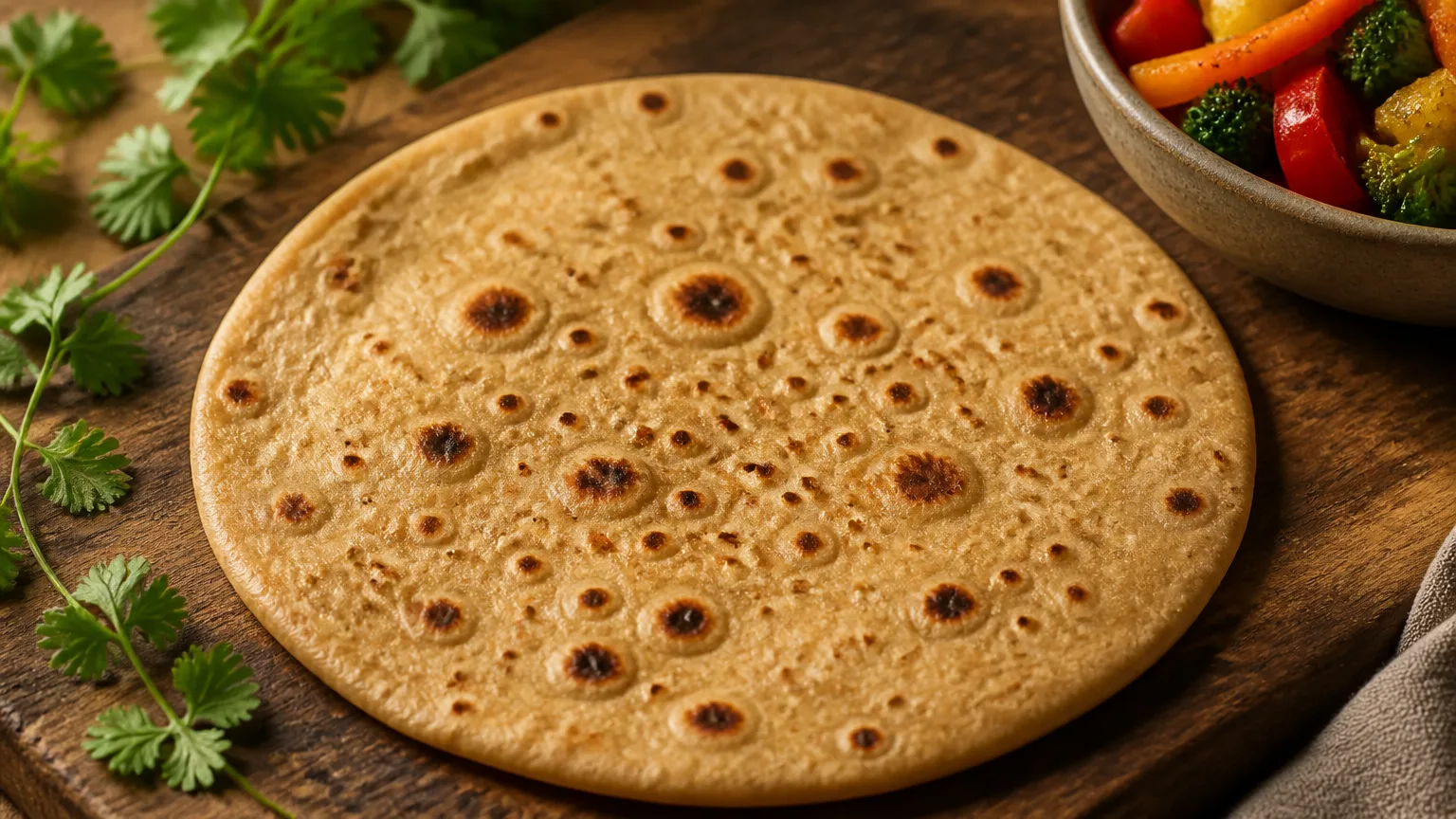
In the realm of spiritual cooking, the gluten-free chapati recipe stands out as a nourishing option that embodies health and well-being. Within the Hare Krishna tradition, food is not merely sustenance; it is a form of devotion. By choosing gluten-free ingredients, devotees align their cooking with principles that promote purity and health, essential for spiritual growth.
Chapati, a simple unleavened bread, serves as a humble offering made with love and devotion. The act of preparing chapati becomes a sacred ritual, transforming the kitchen into a space of connection and mindfulness. Each ingredient is chosen with care, reflecting the commitment to holistic living.
This gluten-free alternative not only caters to dietary needs but also enhances the spiritual experience. It invites practitioners to engage in a deeper relationship with their food, emphasizing gratitude and intentionality. As you explore this recipe, consider how each step contributes to your spiritual journey, making your cooking both a culinary and sacred practice.
1. Choosing the Right Gluten-Free Flour
Selecting the right gluten-free flour is crucial for crafting a delicious chapati. Each type of flour brings unique properties that enhance both flavor and nutrition.
Rice Flour is a popular choice for gluten-free chapati. It offers a light texture and a subtle sweetness. Rich in carbohydrates, rice flour provides energy, making it ideal for those engaging in spiritual practices that require focus and stamina.
Chickpea Flour, also known as besan, adds a nutty flavor and a dense texture. High in protein and fiber, it supports digestive health and provides sustained energy. This flour can deepen your connection to the earth, aligning with the spiritual essence of your cooking.
Almond Flour contributes a rich, buttery taste. It is low in carbohydrates and high in healthy fats, which can promote a sense of fullness. Using almond flour can enhance the sensory experience of your chapati, making the act of eating a more mindful practice.
By experimenting with these gluten-free flours, you can create a chapati that resonates with your spiritual journey while honoring the principles of intentional cooking.
2. The Art of Kneading Dough
Proper kneading is essential for achieving the ideal texture in your gluten-free chapati. It directly influences the lightness and flexibility of the dough, which are crucial for creating soft, pliable chapatis. Unlike traditional wheat flour, gluten-free flours lack elasticity, making effective kneading even more important.
Start by combining your chosen gluten-free flour with a pinch of salt. Gradually add warm water to the mixture, ensuring the dough remains moist but not sticky. Warm water helps the flours absorb moisture more effectively, enhancing the dough’s quality.
Knead the dough gently for about five to ten minutes. This process allows the ingredients to meld together, creating a homogeneous mixture. Unlike wheat dough, gluten-free dough doesn’t require vigorous kneading; instead, focus on achieving a smooth consistency.
If the dough feels too dry, add a little more warm water. Conversely, if it’s too sticky, sprinkle in some additional flour. The goal is to create a pliable dough that can be easily rolled out, ensuring that your chapatis turn out soft and delicious.
3. Rolling and Cooking Techniques
Rolling chapati is an art that requires practice for perfection. The key to achieving an even cook lies in maintaining the right thickness. Aim for about 1/8 inch; this allows the chapati to puff up beautifully while cooking.
To roll out the dough, start by dusting your surface with a light layer of gluten-free flour. This prevents sticking. Use a rolling pin and apply gentle, even pressure. Rotate the dough frequently to maintain a circular shape. If you notice uneven edges, don’t hesitate to reshape it as needed.
Once rolled, preheat your skillet or tawa over medium heat. A hot surface is crucial for developing that coveted golden-brown color. Place the chapati on the skillet and wait for it to begin bubbling. This indicates it’s time to flip.
For a fluffy finish, gently press down on the chapati with a spatula. This encourages it to puff up, creating a delightful texture. Cook until both sides are golden, about 30 seconds per side. Adjust the heat as necessary to prevent burning while ensuring thorough cooking.
Following these techniques will enhance your gluten-free chapati recipe, making each bite an expression of both culinary skill and spiritual mindfulness.
4. Infusing Spiritual Ingredients
Incorporating specific ingredients into your gluten-free chapati can elevate its spiritual essence. Herbs and spices have long been associated with devotion and blessings. For instance, ajwain (carom seeds) is often used for its digestive benefits and its traditional role in promoting good fortune. By adding ajwain to your dough, you invite positive energy into your cooking space.
Cumin seeds are another excellent choice. Known for their rich flavor and health benefits, cumin is also linked to spiritual clarity and protection. Including cumin in your chapati not only enhances taste but also aligns your meal with intentions of mindfulness and well-being.
Additionally, consider herbs like turmeric, revered for its purifying properties. A pinch of turmeric can infuse your chapati with a golden hue, symbolizing prosperity and enlightenment. Each of these ingredients serves as a reminder of the blessings we seek, making your gluten-free chapati a vehicle for spiritual nourishment.
5. Offering the Chapati with Devotion
Offering your gluten-free chapati to the deities is a profound act that transforms the food into prasadam, infused with love and devotion. This sacred process connects devotees with the divine, elevating the meal beyond mere sustenance to a spiritual experience.
As you place the chapati on the altar, focus your intentions and express gratitude. This act of offering signifies your respect for the ingredients and the effort invested in the preparation. Each chapati becomes a heartfelt gesture of devotion, resonating with the blessings you seek.
Consider integrating your chapati with other offerings. For instance, pairing it with a simple vegetable dish or a sweet can enhance the spiritual significance of your meal. For inspiration, explore Krishna Recipes: 5 Divine Offerings for Spiritual Enjoyment.
Ultimately, the act of offering not only nourishes the body but also uplifts the spirit, creating a deeper connection to your spiritual journey. Each bite of prasadam serves as a reminder of the love and devotion that infuses your culinary practice.
Embrace the Journey of Spiritual Cooking
Creating gluten-free chapati is more than just a cooking task; it’s an enriching spiritual experience. Each step invites mindfulness and gratitude, connecting you to the ingredients and their deeper meanings. As you practice this art, remember that perfection comes with patience and dedication.
Perfecting your chapati-making skills allows you to explore various flours and techniques, enhancing both taste and texture. Each chapati becomes a reflection of your spiritual journey, infusing your kitchen with intentionality and love.
Consider expanding your culinary repertoire with other spiritual recipes that celebrate mindfulness and nourishment. By incorporating these practices, you further deepen your connection between food and spirituality.
Embrace this journey, and let your gluten-free chapati serve as a delicious reminder of the joy found in intentional cooking. Continue to explore, experiment, and enjoy the sacred act of crafting meals that nourish both body and spirit.