
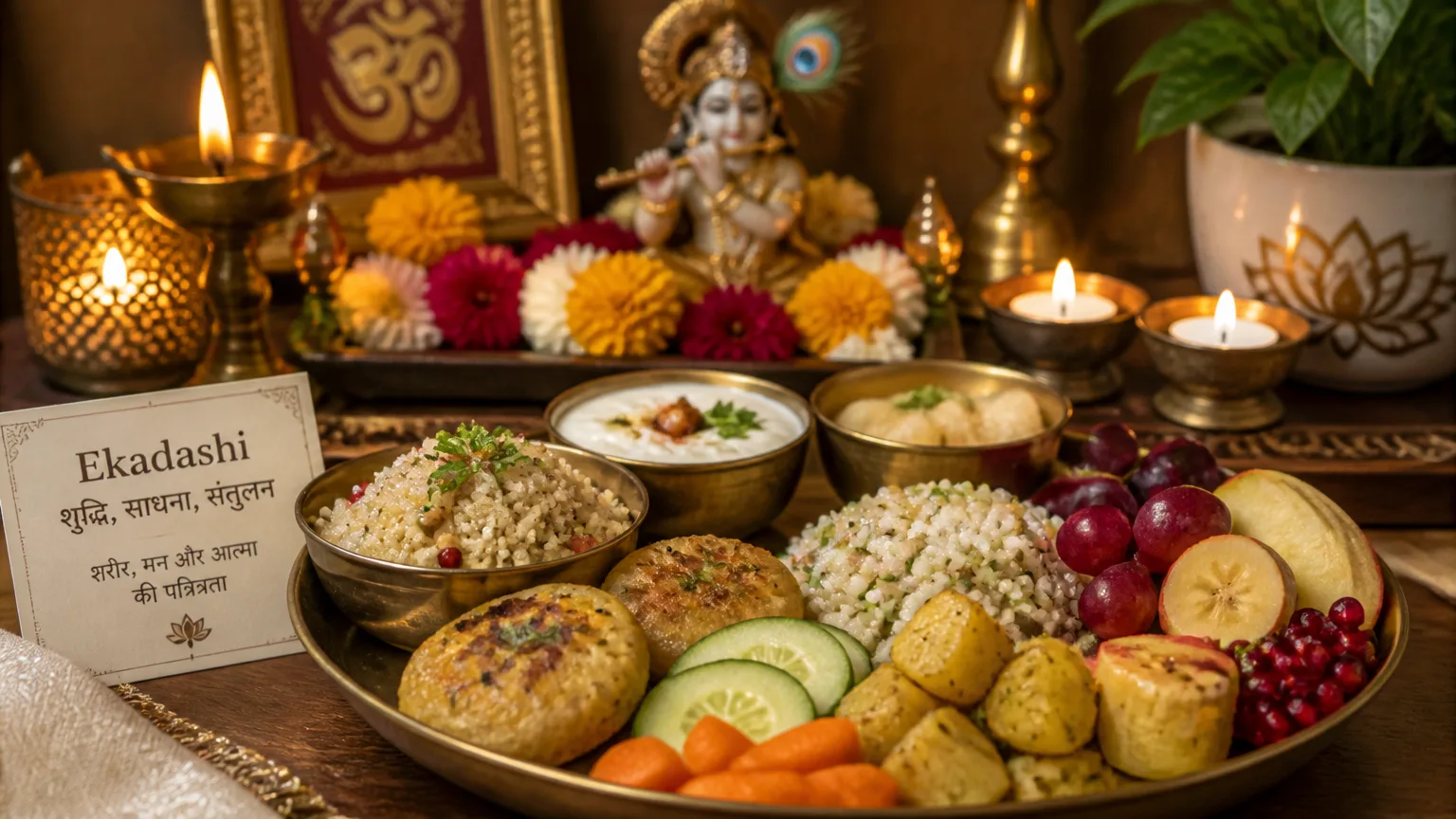
Ekadashi, a sacred day observed by devotees, holds significant spiritual importance in the Hare Krishna tradition. Celebrated twice a month, Ekadashi is a time for fasting, reflection, and deepening one’s connection with the divine. The practice emphasizes the mind’s discipline and the body’s purification, highlighting the profound link between food and spirituality.
In Hare Krishna culture, meals are not merely sustenance but also a way to honor the divine. The food prepared on Ekadashi is often simple yet nourishing, designed to uplift the spirit and support the fast. This connection between nourishment and spiritual practice enhances one’s devotion and mindfulness.
In this article, we explore five easy Ekadashi recipes that not only nourish the body but also elevate the soul. Each recipe aligns with the principles of fasting while providing delicious options for those seeking to honor this sacred day. For more inspiration, check out our article on Ekadashi Food: 6 Easy Recipes for Devotee Fasting. These dishes encourage mindfulness and devotion, making your Ekadashi experience truly fulfilling.
Recipe 1: Simple Sabudana Khichdi
Sabudana Khichdi is a cherished dish during Ekadashi, known for its lightness and nutritional benefits. Made from sago, this dish is rich in carbohydrates, providing quick energy while adhering to fasting guidelines. It is also gluten-free and easy to digest, making it an ideal choice for devotees.
Ingredients:
- 1 cup sabudana (sago)
- 2 medium-sized potatoes, diced
- 2 tablespoons ghee or oil
- 1 teaspoon cumin seeds
- 2 green chilies, finely chopped
- Salt to taste
- Fresh coriander leaves for garnish
- Lemon juice (optional)
- 1 cup buckwheat flour (kuttu ka atta)
- 1 medium-sized boiled potato, mashed
- 1 teaspoon cumin seeds
- Water, as needed
- Salt, to taste
- Ghee or oil, for cooking
- Mixing bowl
- Rolling pin
- Tawa (flat skillet)
- Spatula
- Water Chestnut Flour (Singhare Ka Atta): A gluten-free flour that is rich in nutrients and traditionally used during fasting.
- Ghee: Adds richness and an aromatic flavor, enhancing the overall taste.
- Sugar: For sweetness, balancing the earthy flavor of the flour.
- Cardamom Powder: Provides a fragrant aroma, uplifting the spirit.
- Chopped Nuts (optional): Almonds or cashews add texture and additional energy.
- 1 cup coconut water
- 1 cup diced watermelon
- 1 cup diced pineapple
- 1 cup diced mango
- 1 cup diced papaya
- Fresh mint leaves for garnish
- 2 medium-sized potatoes, boiled and mashed
- 1 cup fresh spinach, finely chopped
- 1 teaspoon cumin seeds
- 1 teaspoon garam masala
- Salt, to taste
- 2 tablespoons chickpea flour (besan)
- Ghee or oil, for frying
Preparation Steps:
1. Soak the Sabudana: Rinse the sabudana thoroughly and soak it in water for 4-5 hours. Drain and set aside.
2. Cook the Potatoes: In a pan, heat ghee or oil. Add cumin seeds and let them splutter. Then, add diced potatoes and cook until tender.
3. Combine Ingredients: Add the soaked sabudana to the pan, along with chopped green chilies and salt. Stir well to mix.
4. Cook and Stir: Cook for about 5-7 minutes on low heat, stirring occasionally until the sabudana turns translucent.
5. Garnish: Remove from heat and garnish with fresh coriander and a squeeze of lemon juice if desired.
This simple yet satisfying dish serves as a perfect base for your Ekadashi meals, nourishing both body and soul.
Recipe 2: Tasty Kuttu Ki Roti
Kuttu Ki Roti is a delicious gluten-free flatbread made from buckwheat flour, ideal for Ekadashi fasting. Buckwheat is rich in nutrients, providing protein, fiber, and essential amino acids, which help keep you energized throughout the day.
Ingredients:
Cooking Tools:
Instructions:
1. Mix Ingredients: In a mixing bowl, combine buckwheat flour, mashed potato, cumin seeds, and salt. Gradually add water to form a smooth dough.
2. Divide the Dough: Pinch off small portions of the dough and roll them into balls.
3. Roll the Roti: Flatten each ball using a rolling pin to create a round shape, about 6 inches in diameter.
4. Cook: Heat the tawa over medium flame. Place the roti on the tawa and cook for 1-2 minutes on each side, adding ghee or oil until golden brown.
5. Serve: Pair with yogurt or a side of vegetable curry for a wholesome meal.
This Kuttu Ki Roti not only satisfies your hunger but also nourishes your soul during your Ekadashi observance.
Recipe 3: Energizing Singhare Ke Atte Ka Halwa
Singhare Ke Atte Ka Halwa is a delightful sweet dish made from water chestnut flour. It serves as an energizing treat during Ekadashi fasting, providing both spiritual and physical nourishment.
Ingredients
Preparation Method
1. Heat Ghee: In a pan, heat 2-3 tablespoons of ghee over medium heat.
2. Add Flour: Gradually add 1 cup of water chestnut flour, stirring continuously. Cook until it turns golden and fragrant.
3. Incorporate Sugar: Add ½ cup of sugar and mix well.
4. Flavor it Up: Sprinkle in a teaspoon of cardamom powder and mix until fully incorporated.
5. Serve Warm: Garnish with chopped nuts for added crunch. This halwa is best enjoyed warm, offering a comforting experience during your fast.
This dish not only satisfies your sweet cravings but also nourishes your soul, making it an ideal addition to your Ekadashi recipes.
Recipe 4: Refreshing Coconut Water & Fruit Salad
Staying hydrated during Ekadashi fasting is essential for both physical and spiritual well-being. Coconut water, known for its natural electrolytes, complements a variety of fruits, enhancing both flavor and nutritional value. This refreshing salad not only nourishes the body but also uplifts the spirit.
Ingredients
Preparation Instructions
1. Combine Fruits: In a large bowl, mix the diced watermelon, pineapple, mango, and papaya.
2. Add Coconut Water: Pour the coconut water over the fruit mixture. Stir gently to combine, ensuring the fruits are well-coated.
3. Chill: Let the salad sit in the refrigerator for at least 30 minutes. This allows the flavors to meld and enhances its refreshing quality.
4. Garnish: Before serving, add fresh mint leaves for an aromatic touch.
This vibrant Coconut Water & Fruit Salad not only hydrates but also serves as a spiritually uplifting dish, making it a perfect addition to your Ekadashi recipes. Enjoy this colorful medley as a delightful way to nourish your body and soul.
Recipe 5: Delectable Aloo-Palak Tikki
Aloo-Palak Tikki combines the earthy flavors of potatoes and the vibrant taste of spinach, creating a dish that is both nutritious and satisfying. This recipe is particularly well-suited for fasting days, as it provides essential vitamins and minerals while being easy to digest.
Ingredients:
Cooking Method:
1. Preparation: In a mixing bowl, combine the mashed potatoes, chopped spinach, cumin seeds, garam masala, and salt. Mix well.
2. Binding: Add chickpea flour to help bind the mixture. Form into small patties or tikkis.
3. Cooking: Heat ghee or oil in a pan over medium heat. Fry the tikkis for 3-4 minutes on each side, or until golden brown and crispy.
Serving Suggestions:
Serve the Aloo-Palak Tikki hot, garnished with fresh coriander. Pair it with green chutney or yogurt for added flavor. These tikkis can also be included in a larger meal, alongside a refreshing salad or a bowl of vegetable soup, making them a versatile choice for your Ekadashi recipes.
Nourishment for Body and Soul
As we conclude our exploration of these five easy Ekadashi recipes, it becomes evident that cooking and nourishing the body is a deeply spiritual practice. Each dish not only satisfies physical hunger but also fosters a connection to the divine, enhancing your spiritual journey.
We encourage you to experiment with these recipes, allowing your creativity to flow in the kitchen. By doing so, you can personalize your meals and deepen your experience during Ekadashi fasting.
Remember, the intent behind Ekadashi is to purify the mind and body. Embrace these dishes as part of your spiritual routine. For further inspiration, explore the 10 Delicious Ekadashi Food Recipes from ISKCON to Enrich Your Spiritual Practice. May your culinary endeavors nourish both your body and soul.