
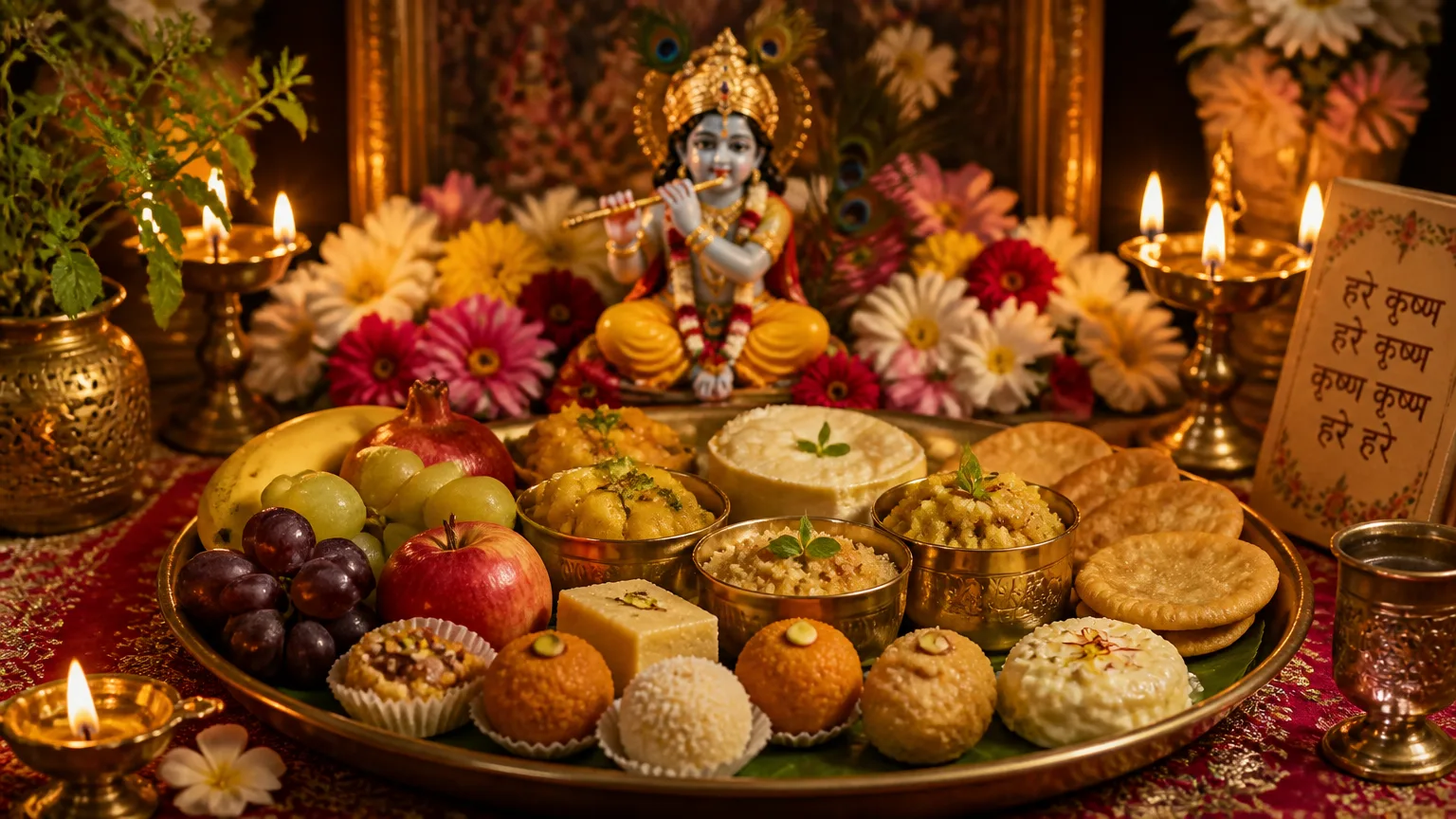
Prasadam, in the context of Hare Krishna culture, refers to food that has been offered to Lord Krishna. This sacred practice embodies a deep spiritual significance, transforming both the food itself and the individual who partakes in it. By offering food to Krishna, devotees infuse it with divine energy, elevating it from mere sustenance to a spiritually charged blessing.
The act of consuming prasadam is more than a culinary experience; it serves as a profound connection to the divine. Devotees believe that prasadam nourishes not only the body but also the soul, fostering a sense of peace and spiritual fulfillment. This transformation highlights the essence of prasadam—each bite serves as a reminder of Krishna’s presence and love.
In exploring the layers of prasadam, we will delve into its preparation, the rituals surrounding it, and its role in fostering community and devotion. This journey will illuminate how prasadam enriches the spiritual lives of devotees and seekers alike, offering a unique glimpse into the heart of Hare Krishna culture.
1. The Ritual of Offering: A Spiritual Connection
The ritual of offering food to Krishna is a profound act that deepens a devotee’s spiritual connection. This process begins with the careful selection and preparation of ingredients. Devotees typically choose fresh, vegetarian items, aligning with the principles of purity and compassion.
Once the food is prepared, it is placed on a clean altar, often adorned with flowers and incense. The devotee then engages in a series of prayers, invoking Krishna’s presence. This act of devotion is not merely ceremonial; it embodies the devotee’s intentions and love for the divine.
Intention plays a crucial role in this offering. By focusing their thoughts on Krishna while preparing the food, devotees elevate their consciousness. This transformation is vital, as it infuses the prasadam with spiritual energy.
As the food is offered with devotion, it becomes prasadam—blessed food that nourishes both the body and soul. This ritual fosters a sense of community among devotees, who share prasadam as a common bond in their spiritual journey.
2. The Purity of Ingredients: A Reflection of Spiritual Values
In Hare Krishna culture, the ingredients used in prasadam are meticulously chosen for their purity and spiritual significance. Vegetarian ingredients form the foundation of prasadam, embodying compassion and respect for all living beings. By avoiding meat, devotees reinforce their commitment to non-violence, a core tenet of their faith.
The concept of Sattva plays a crucial role in this context. Sattva represents purity, harmony, and balance, qualities that devotees strive to cultivate in their lives. Foods high in Sattva, such as fresh fruits, vegetables, and grains, are believed to promote clarity of mind and spiritual growth. Therefore, the choice of ingredients directly impacts the spiritual potency of prasadam.
Additionally, the preparation of prasadam strictly prohibits the use of stale or impure food. Such practices ensure that the offering remains sanctified and vibrant, reflecting the devotion infused into its creation. This careful selection and preparation foster a deeper connection to the divine, making prasadam a true embodiment of spiritual nourishment.
3. The Transformation: From Ordinary to Divine
The transformation of food into prasadam occurs through the act of offering with devotion. This sanctification process is pivotal, as it elevates ordinary ingredients into a divine state. When food is offered to Krishna, it embodies spiritual energy, becoming prasadam—a blessing for all who partake.
The significance of this act lies in its ability to purify both the food and the consumer. Devotees believe that consuming prasadam bestows spiritual benefits, such as increased clarity, peace, and devotion. For instance, many devotees report feeling a deep sense of connection to the divine after sharing prasadam, often describing it as a profound experience that transcends the physical act of eating.
Testimonials from practitioners illustrate this beautifully. One devotee shared, “After receiving prasadam, I felt a surge of joy and gratitude, as if I had been touched by the divine.” Such experiences highlight prasadam’s role not only as nourishment but also as a conduit for spiritual growth and community bonding.
4. Sharing Prasadam: Community and Connection
The tradition of sharing prasadam after offering is a cornerstone of Hare Krishna culture. Once food is offered to the deities with love and devotion, it is distributed among devotees. This act transforms the meal into a communal experience, reinforcing bonds and enhancing spiritual unity.
Sharing prasadam cultivates a profound sense of community among practitioners. During temple gatherings and festivals, devotees come together to partake in prasadam, fostering connections that transcend individual differences. Conversations flow freely as people share not only food but also stories of their spiritual journeys.
Moreover, this practice instills humility and a spirit of service. As devotees serve prasadam to one another, they embody the principles of selflessness and generosity. Each offering becomes a reminder of the divine connection shared among all participants, emphasizing that no one is above or below another in the eyes of spirituality.
In essence, sharing prasadam enriches the collective experience, making it a vital aspect of community life within the Hare Krishna movement.
5. Practical Tips for Preparing Prasadam at Home
Preparing prasadam at home is a fulfilling way to engage with the spiritual practices of Hare Krishna culture. Start by selecting fresh, pure ingredients. Staples include rice, lentils, vegetables, and spices. Simple recipes like vegetable khichdi or sweet rice (kheer) are excellent choices for beginners.
Essential Ingredients
- Grains: Rice, quinoa, or lentils
- Vegetables: Seasonal and organic options like carrots, peas, and potatoes
- Spices: Turmeric, cumin, and coriander
- Fruits: Bananas, apples, or seasonal fruits for desserts
Mindset While Cooking
Approach the cooking process with a devotional mindset. Chanting mantras or playing spiritual music can enhance your focus and intention. Remember, the energy you bring into the kitchen infuses the prasadam with spiritual significance.
Resources for Recipes
For more detailed recipes, consider resources like The Hare Krishna Cookbook or reputable online sites dedicated to vegetarian cooking. These can offer diverse options and inspiration, making your prasadam preparation both creative and spiritually enriching.
Embracing Prasadam: A Pathway to Spiritual Enrichment
Embracing the concept of prasadam can profoundly transform your spiritual journey. By integrating prasadam into daily life, individuals not only nourish their bodies but also enrich their souls. This divine food serves as a reminder of the interconnectedness between the material and spiritual realms.
Sharing prasadam within your community fosters bonds of love and devotion. Whether at home, in temples, or during festivals, the act of distributing prasadam invites others to partake in this sacred experience. Consider hosting a prasadam gathering, where friends and family can come together to celebrate and learn about its significance.
Moreover, exploring prasadam deepens your understanding of spiritual teachings. Each offering becomes an opportunity for reflection and gratitude, enhancing your connection with the divine. As you share prasadam, you invite others to participate in this enriching practice, cultivating a community centered around love and faith.
Ultimately, prasadam is not merely food; it is a pathway to greater spiritual awareness and fulfillment. By embracing prasadam, you not only honor tradition but also elevate your spiritual journey, one blessed bite at a time.