
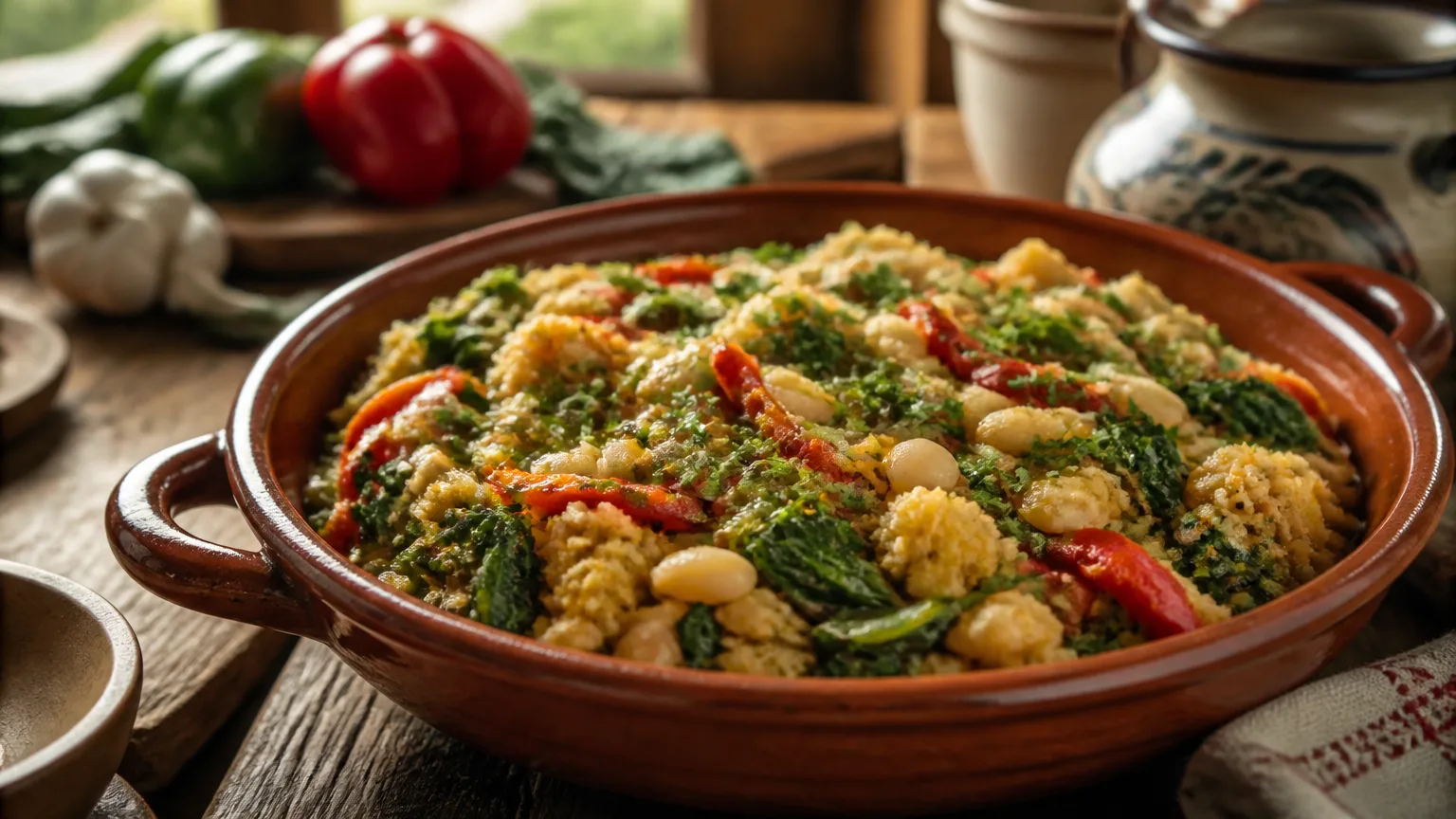
Portuguese food reflects a deep connection to regional produce, family kitchens, and simple, careful preparation. While many classic recipes include fish, meat, eggs, or dairy, their flavors can inspire respectful vegetarian adaptations for devotees, spiritual seekers, and anyone preparing a meat-free meal with intention.
Across Portugal, cooks rely on ingredients such as seasonal vegetables, olive oil, legumes, grains, garlic, parsley, and other fresh herbs. These staples create satisfying dishes without requiring elaborate techniques. A pot of beans, a rustic vegetable soup, or a carefully seasoned grain dish can become nourishing food prepared with patience and gratitude.
This approach also aligns with devotional cooking. Washing produce, chopping mindfully, and tasting each ingredient with care can turn an everyday meal into an offering. When food is prepared attentively and offered with gratitude, its value extends beyond nourishment. It becomes part of a practice centered on respect, generosity, and mindful service.
The seven dishes featured here draw from Portugal’s regional traditions while making thoughtful adjustments for a vegetarian table. Some preserve the character of familiar recipes by replacing animal-based ingredients with beans, vegetables, mushrooms, or plant-based alternatives. Others naturally highlight the country’s abundance of produce and pantry staples.
Whether you are cooking for a spiritual gathering, planning a meat-free family meal, or exploring new regional flavors, these recipes offer a practical starting point. For more devotional cooking inspiration, explore Hare Krishna Recipes and discover how simple ingredients can support purposeful meals.
1. Caldo Verde: A Comforting Portuguese Kale and Potato Soup
Caldo verde is one of the most comforting dishes in Portuguese food. This rustic soup combines potatoes, onion, garlic, olive oil, and finely sliced greens in a simple, satisfying bowl. A vegetarian version preserves the dish’s traditional character while making it suitable for a meat-free menu.
Begin by gently cooking chopped onion and garlic in olive oil. Add peeled potatoes, water or vegetable stock, and a modest amount of salt. Simmer slowly until the potatoes become tender and begin to break apart. This gradual cooking develops a fuller flavor without requiring heavy seasoning.
For a smooth but rustic texture, blend part of the potatoes directly in the pot. Leave some pieces whole for contrast. The blended portion gives the broth body, while the remaining pieces keep the soup hearty and homemade.
Traditional caldo verde often includes sliced sausage. To replace it, use ingredients that add depth without overpowering the potatoes:
- Stir in white beans for protein and a creamy texture.
- Add a small amount of smoked paprika for gentle, savory warmth.
- Use a carefully chosen vegetarian sausage, sliced thinly and lightly browned.
Add the finely sliced kale, collard greens, or Portuguese couve near the end of cooking. The greens need only a few minutes to soften. Adding them late helps preserve their fresh color, delicate texture, and bright flavor.
This soup works especially well as a warm first course for a devotional meal. Prepare it slowly, then serve modest portions before presenting a fuller spread of rice, vegetables, beans, or fresh bread. A small bowl allows diners to appreciate the soup without becoming too full before the main dishes arrive.
Finish each serving with a few drops of olive oil and a careful taste for seasoning. The final result should feel nourishing and uncomplicated. Serve caldo verde warm, with crusty bread if desired, and let its gentle flavors set a welcoming tone for the meal.
2. Açorda de Alho: Rustic Bread, Garlic, and Herb Stew
After the gentle flavors of caldo verde, açorda de alho offers another comforting example of Portuguese food shaped by resourcefulness. This Alentejo-inspired dish transforms stale bread into a soft, fragrant stew with garlic, fresh herbs, olive oil, and vegetable broth.
Rather than treating old bread as waste, cooks soften it in warm broth until it absorbs the surrounding flavors. The result is humble but satisfying, with a texture that falls between a thick soup and a loose porridge.
Building a Balanced Açorda
Begin with good-quality stale bread, preferably a rustic loaf with a firm crust. Tear it into small pieces so each portion absorbs the broth evenly without becoming completely mushy.
Use garlic with restraint. One or two cloves can add warmth and aroma, while too much may overwhelm the herbs and broth. Coriander is traditional in many Alentejo versions, but flat-leaf parsley offers a milder alternative for a broad range of diners.
A simple preparation includes:
Stale rustic bread
Vegetable broth
Minced garlic
Fresh coriander or parsley
Extra-virgin olive oil
A small amount of salt
Warm the garlic gently in olive oil, then add the vegetable broth and herbs. Pour the hot mixture over the bread, allowing it to rest briefly before stirring.
Taste before adding more salt or oil, since both should support the dish rather than dominate it.
Vegetarian Ways to Serve Açorda
For a more substantial vegetarian offering, fold in chickpeas or white beans. Seasonal vegetables, such as cooked greens, tomatoes, zucchini, or roasted peppers, also add color and texture without changing the dish’s rustic character.
Some traditional versions include eggs or seafood. If you are preparing a fully vegetarian menu, confirm the ingredients and adapt the recipe with beans, vegetables, or a poached egg only when suitable for your guests.
Serve açorda in small bowls as a warm starter or in larger portions as a simple main course. Keep the final consistency moist but not watery, and finish each serving with only a few drops of olive oil.
3. Feijoada de Legumes: A Hearty Portuguese Bean Stew
Feijoada de legumes brings the warmth and generosity of Portuguese food to the table without relying on meat. Beans form the nutritional and textural center, creating a satisfying base with protein, fiber, and a naturally creamy bite.
Use white beans, kidney beans, or butter beans, depending on availability. Simmer them with cabbage, carrots, tomatoes, onions, and garlic. Paprika, bay leaves, and black pepper add warmth, while the vegetables provide sweetness, color, and contrast.
For the best texture, sauté the onions and carrots before adding the tomatoes and spices. Stir in the beans, cabbage, and vegetable stock, then simmer until the broth thickens. Lightly mash a few beans against the side of the pot to create body without blending the entire stew.
A thicker consistency makes this dish especially practical for group meals. It remains easy to portion, holds well on a serving table, and feels substantial even when prepared in a large pot.
- Serve with plain rice to absorb the rich tomato broth.
- Offer crusty bread for dipping and added texture.
- Add simply dressed greens for freshness and balance.
Feijoada has a generous, family-style character that suits hospitality. Place the pot in the center of the table and allow guests to serve themselves, creating the shared spirit often associated with prasadam. This plant-based version is one adaptable expression of a broader bean-stew tradition, not a claim that vegetarian feijoada is the only authentic form.
For a devotional gathering, pair the stew with other vegetarian dinner recipes that keep preparation simple and portions easy to manage. Prepare the feijoada slightly ahead of serving, then adjust the seasoning after reheating. A final drizzle of olive oil and a handful of chopped parsley can brighten each portion.
4. Peixinhos da Horta: Crispy Green Bean Fritters
Peixinhos da horta is a playful Portuguese appetizer made with green beans, not fish. The name means “little fish from the garden,” referring to the beans’ shape and crisp, golden coating. This unusual name makes the dish a natural conversation starter for guests discovering Portuguese food.
Trim fresh green beans and blanch them briefly in salted water. Drain and dry them thoroughly before coating. Excess moisture can weaken the batter and cause hot oil to splatter.
Choose a Light, Crisp Batter
A simple batter combines flour, sparkling water, and a pinch of salt. The bubbles help create a delicate coating without making the fritters heavy. For extra structure, add a small amount of cornstarch or rice flour.
You can also use a chickpea-flour batter for a naturally egg-free option. Keep the mixture slightly thinner than pancake batter. A coating that is too thick will produce dense, greasy fritters.
Fry or Bake the Green Beans
For frying, heat neutral oil to about 175°C (350°F). Test one coated bean first. It should sizzle immediately and turn golden within a few minutes, without darkening too quickly.
Fry in small batches so the oil temperature remains steady. Overcrowding creates steam and leads to a soft coating. Transfer each batch to a wire rack or paper-lined tray, allowing excess oil to drain before serving.
For a lighter preparation, arrange the battered beans on a lightly oiled baking sheet. Bake at 220°C (425°F), turning once, until crisp and golden. The baked version may be slightly less delicate but works well for larger gatherings.
Serve with Care
Offer peixinhos da horta warm, with lemon wedges or a simple herb dip if suitable for your menu. Since the recipe contains no fish, label the platter clearly for guests with dietary preferences.
For a devotional setting, begin with fresh ingredients and prepare the dish attentively. Avoid tasting while cooking, and offer the finished fritters only after they have been prepared with care and intention.
5. Pataniscas de Legumes: Portuguese-Style Vegetable Fritters
Pataniscas de legumes offer a flexible way to serve Portuguese-inspired food without fish or eggs. These savory vegetable fritters work well with zucchini, corn, carrot, leek, or leftover cooked vegetables. Their crisp edges and herby flavor make them suitable for family meals, shared platters, or devotional gatherings.
Grate zucchini and carrot, then squeeze out excess water with a clean towel. Drain corn thoroughly, and chop cooked vegetables into small pieces. Moisture control is essential because a wet mixture will spread in the pan and struggle to brown.
Combine the vegetables with chopped parsley, coriander, or another mild herb. Add chickpea flour as an egg-free binder, along with salt, black pepper, and a small amount of garlic if suitable for your dietary practices. Add water gradually until the mixture holds together when pressed.
The batter should remain soft rather than stiff. Too much flour creates dense fritters, while too much liquid causes them to fall apart. Let the mixture rest for 10 to 15 minutes so the chickpea flour can absorb moisture and improve cohesion.
- Heat a thin layer of olive oil in a skillet over medium heat.
- Spoon small portions of batter into the pan and flatten them gently.
- Cook for 3 to 4 minutes per side, until golden and firm.
- Transfer the fritters to a lined plate and keep them warm.
Small fritters cook more evenly and develop a better crisp finish. Avoid crowding the skillet, and add fresh oil between batches when necessary. If using leftover cooked vegetables, allow them to cool fully before mixing.
Serve pataniscas with steamed rice and a simple green salad for a complete meal. They also pair well with a lemon-free herb sauce made from chopped parsley, olive oil, water, and a pinch of salt. For guests with specific dietary practices, label the platter clearly and confirm every ingredient before serving.
For a devotional setting, prepare the fritters with fresh ingredients and careful attention. Avoid tasting while cooking, and offer them only after the dish is complete.
6. Arroz de Feijão: Portuguese Rice with Beans
Arroz de feijão is a humble Portuguese dish that feels both comforting and complete. Tender rice, creamy beans, tomato, onion, and herbs create a nourishing side dish or a simple vegetarian main course.
The key is balancing the broth, beans, and rice. Use enough liquid to keep the rice moist, but not so much that the mixture becomes soup. The beans should soften into the cooking liquid while the rice remains tender and distinct.
Build Flavor with Simple Ingredients
Start by gently cooking diced onion in olive oil until soft. Add garlic, chopped tomato, and a small amount of paprika or mild seasoning if desired. Stir in vegetable stock, cooked beans, and rice, then simmer until the grains absorb the flavorful liquid.
Homemade vegetable stock adds depth without requiring heavy seasoning. Freshly cooked beans provide the creamiest texture, but well-rinsed canned beans make this Portuguese food accessible for a busy weeknight. Choose beans with no added sauces, and adjust the salt after they warm through.
Use a moderate amount of herbs, such as parsley or bay leaf. Their purpose is to support the beans and rice, not overpower them. If the rice thickens too quickly, add a small splash of warm stock rather than extra water.
This restrained approach reflects the principles of vegetarian cooking with more meaning and purpose. The dish relies on nourishing staples, balanced seasoning, and an attentive preparation process.
Serve It as a Side or Main Dish
Serve arroz de feijão while it is warm and slightly moist. It pairs well with sautéed greens, roasted vegetables, or a crisp salad. For a main course, offer a generous bowl with fresh parsley and a few drops of olive oil.
Prepare the dish with calm attention, especially in a devotional setting. Measure the ingredients carefully, keep the seasoning moderate, and allow the cooking process to remain simple and focused. Avoid tasting while cooking when following specific devotional practices, and confirm the final seasoning before serving.
7. Vegetarian Pastéis de Nata: A Portuguese Custard Tart for Offering
Pastéis de nata bring a graceful finish to a Portuguese food menu. These small custard tarts combine crisp, layered pastry with a softly set filling and a deeply browned surface. Serve them as an occasional sweet offering that adds beauty and joy without making indulgence the focus of the meal.
Prepare the Pastry and Custard
For a vegetarian version, use puff pastry made with butter or another dairy-based fat. Check the ingredient list carefully, because some commercial pastry doughs contain lard or other animal fats. Vegan guests require a fully plant-based pastry and custard.
To prepare the dairy-based custard, warm milk with sugar and lemon peel. Whisk egg yolks with a little flour or cornstarch, then gradually add the warm milk. Cook the mixture gently until it thickens, but do not let it boil.
For a plant-based option, replace the milk with unsweetened oat or soy milk. Use cornstarch for structure and replace the egg yolks with an additional small amount of starch. The result may taste slightly different, but it should remain smooth and softly set.
Bake the Tarts at High Heat
Press thin pieces of puff pastry into small tart molds. Add the cooled custard, leaving room for it to expand during baking. A hot oven is essential for creating the signature contrast:
- Crisp, layered pastry around the edges
- Softly set custard in the center
- Deeply browned spots across the surface
Bake the tarts at high heat until the pastry rises and the custard develops dark golden marks. The browned surface is part of the character of pastéis de nata, so avoid removing them too early.
Offer Them with Care
Let the tarts cool briefly before serving. They are especially appealing on a simple platter, with the warm centers contrasting against the crisp pastry.
Label the tarts clearly as vegetarian or vegan. In a devotional setting, prepare them with calm attention, confirm every ingredient, and avoid tasting while cooking when required by your practice. Offer each tart as a modest, celebratory finish to a meal prepared with care.
Frequently Asked Questions About Vegetarian Portuguese Food
Is Portuguese food naturally vegetarian?
Traditional Portuguese food often includes fish, seafood, or meat, but many regional dishes rely on vegetables, bread, beans, greens, and olive oil. Recipes such as caldo verde, açorda, feijoada de legumes, fritters, and pastries can be prepared as satisfying vegetarian dishes.
These adaptations remain connected to Portuguese cooking through their methods and ingredients. Use high-quality olive oil, seasonal produce, fresh herbs, legumes, and simple seasonings to preserve the cuisine’s character.
Which ingredients can be substituted?
Vegetarian Portuguese food allows practical substitutions without losing its traditional spirit. Choose replacements that provide similar texture, richness, or savory depth.
Replace chouriço with smoked paprika, roasted peppers, or plant-based sausage.
Use white beans, chickpeas, or lentils instead of meat in stews.
Substitute vegetable stock for chicken stock in soups and açorda.
Replace dairy with unsweetened plant milk when preparing a vegan version.
Use chickpea flour or a suitable egg replacer for some fritters and batters.
Check packaged ingredients carefully. Stock cubes, pastry dough, and prepared sauces may contain animal products or seasonings that do not suit your guests.
Can these dishes be offered as prasadam?
They can be suitable for prasadam when their ingredients and preparation follow the relevant devotional tradition. Guidelines differ among teachers, communities, and households, particularly regarding onions, garlic, dairy, eggs, mushrooms, and other foods.
Before cooking, confirm the expected standards with your teacher, community, or family practice. Prepare the food with fresh ingredients, focused attention, and clean utensils. If your tradition requires it, avoid tasting while cooking and offer the completed dishes according to established custom.
How should I serve the seven dishes as one balanced meal?
Preparing all seven dishes at once may create unnecessary work and an overly heavy table. Select two or three dishes and create contrast across textures, flavors, and portion sizes.
A balanced menu might include:
A soup or stew, such as caldo verde or vegetarian feijoada.
A grain-and-legume dish, such as açorda with beans or chickpeas.
A vegetable preparation, such as fritters or seasoned greens.
A small sweet, such as a custard tart, for a modest finish.
For example, serve caldo verde with bean fritters and one small pastry. Alternatively, pair feijoada with açorda and a light vegetable side. Keep the sweet portion small, and label dishes clearly when they are vegan, dairy-free, or prepared under specific devotional guidelines.
Bringing Portuguese Vegetarian Dishes to the Offering Table
Portuguese vegetarian cooking brings together regional character, generous hospitality, and thoughtful preparation. Dishes such as caldo verde, arroz de feijão, feijoada, açorda, fritters, and simple pastries show how humble ingredients can create a satisfying and memorable meal.
If you are new to Portuguese food, begin with one accessible dish. Arroz de feijão offers a dependable main course, while caldo verde provides a simple, welcoming starter. As your confidence grows, explore the fritters, stews, and pastry recipes. This gradual approach helps you build skill without making the meal feel complicated.
A well-planned offering table should balance flavor, texture, and portion size. For example, pair a warm stew with a lighter starter, then serve one modest pastry at the end. Label dishes clearly when they are vegan, dairy-free, or prepared according to specific devotional guidelines. Confirm each ingredient before serving, especially when cooking for guests with dietary restrictions.
The spiritual value of a meal does not come only from its cultural identity or technical perfection. It also comes from the ingredients selected, the consciousness brought to preparation, the gratitude felt during cooking, and the sincerity of the offering. Fresh produce, careful seasoning, and calm attention can give even a simple dish deeper purpose.
Prepare each recipe respectfully and adapt it to suit your guests, available ingredients, and devotional practice. Avoid changes that obscure the dish’s character, but feel free to adjust vegetables, beans, herbs, or serving sizes when appropriate. Share the meal generously, welcome others to the table, and let Portuguese flavors support a more purposeful vegetarian table.