
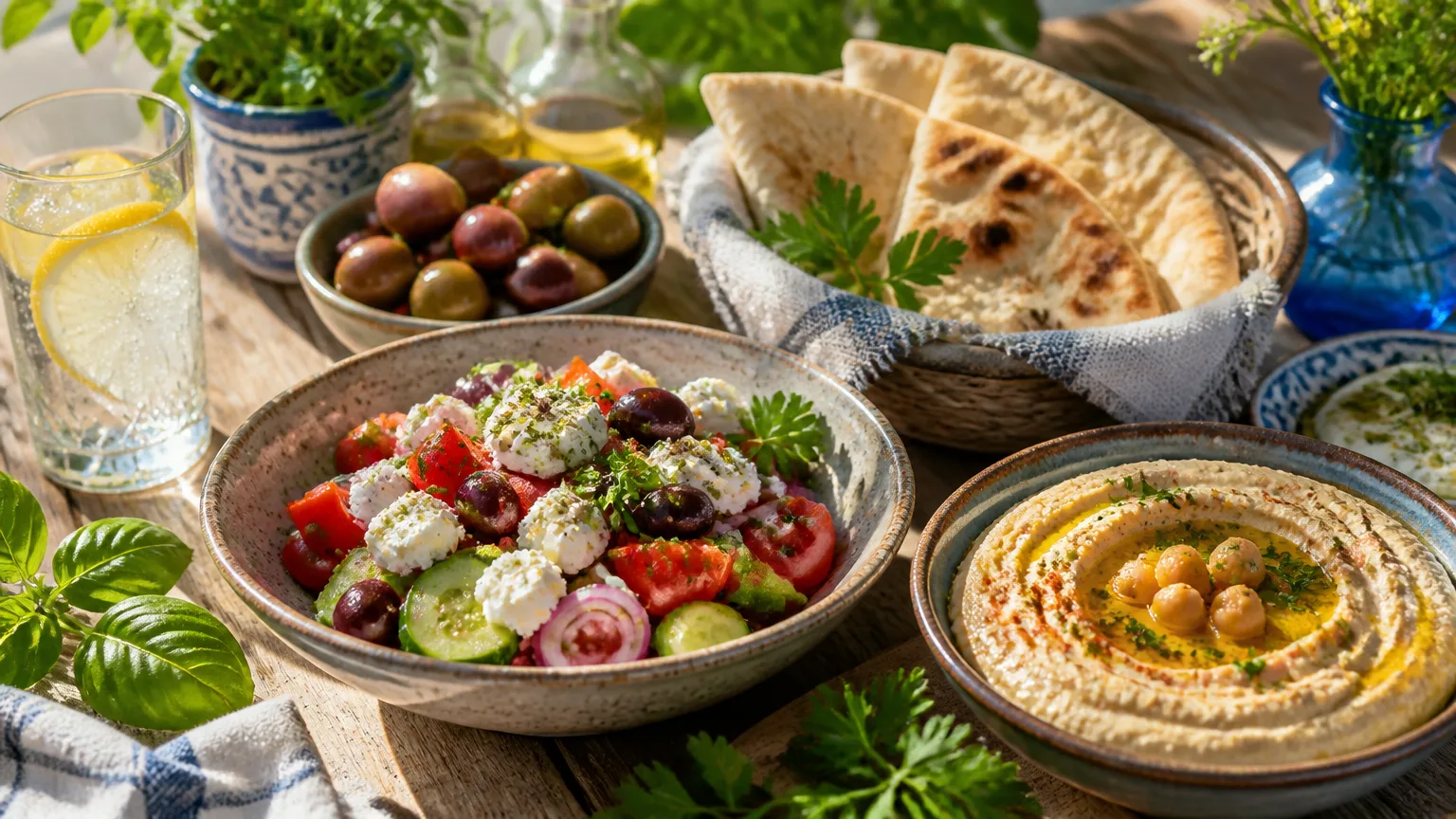
The Mediterranean diet, celebrated for its vibrant flavors and health benefits, offers a wealth of delicious lunch recipes that cater to diverse palates. Rooted in the culinary traditions of countries bordering the Mediterranean Sea, this diet emphasizes whole foods, fresh vegetables, legumes, and healthy fats. For spiritual seekers, particularly within the Hare Krishna tradition, embracing vegetarianism aligns beautifully with the principles of this diet, fostering both physical well-being and spiritual growth.
Incorporating Mediterranean diet lunch recipes into daily meals not only nourishes the body but also enriches the spirit. These meals reflect a harmony with nature and promote mindfulness, essential aspects of spiritual practice. By choosing plant-based ingredients and wholesome preparations, devotees can enhance their devotional activities while enjoying the myriad flavors of this diet.
To further support your journey, explore our guide on Mediterranean Diet Meal Prep: 5 Tasty Hare Krishna Recipes. This resource provides practical ideas that make it easy to incorporate Mediterranean principles into your cooking. Embrace this culinary adventure as a means to deepen both your health and spiritual connection.
1. Hearty Mediterranean Chickpea Salad
The Hearty Mediterranean Chickpea Salad is a vibrant and nutritious option for those seeking Mediterranean diet lunch recipes. This dish showcases fresh ingredients, including ripe tomatoes, crisp cucumbers, red onion, and parsley, all combined to create a delightful medley.
Ingredients
- 1 can of chickpeas, rinsed and drained
- 1 cup cherry tomatoes, halved
- 1 cucumber, diced
- ¼ red onion, finely chopped
- ¼ cup fresh parsley, chopped
- 3 tablespoons olive oil
- Juice of 1 lemon
- Salt and pepper to taste
- Protein: Vital for muscle repair and growth.
- Fiber: Supports digestive health and helps maintain stable blood sugar levels.
- Iron: Crucial for energy production.
- 4 large bell peppers (any color)
- 1 cup cooked quinoa or brown rice
- 1 can black beans, rinsed and drained
- 1 cup diced tomatoes (fresh or canned)
- 1 teaspoon cumin
- 1 teaspoon paprika
- Fresh herbs (parsley, cilantro, or basil)
- Olive oil
- Salt and pepper to taste
- 1 can of chickpeas, rinsed and drained
- 1/4 cup tahini
- 2 tablespoons olive oil
- 2 tablespoons lemon juice
- 1 garlic clove, minced
- Salt to taste
- Water for desired consistency
- Begin by blending the tahini and lemon juice first; this enhances the flavor.
- Gradually add chickpeas while blending to achieve a smooth texture.
- Adjust the consistency with water, blending until you reach your preferred creaminess.
- Carrot sticks
- Cucumber slices
- Bell pepper strips
- Cherry tomatoes
Preparation Instructions
1. In a large bowl, combine the chickpeas, cherry tomatoes, cucumber, red onion, and parsley.
2. In a small bowl, whisk together olive oil, lemon juice, salt, and pepper.
3. Pour the dressing over the salad and toss gently to combine.
Chickpeas are a powerhouse of nutrition, offering a rich source of protein, fiber, and essential vitamins. They support digestive health and help maintain steady blood sugar levels. This makes them an ideal ingredient for a satisfying lunch.
To enhance your dining experience, consider practicing mindful eating. Focus on the colors, textures, and flavors of each ingredient. This not only elevates the enjoyment of your meal but also fosters a deeper connection to the food you consume. Enjoy this salad as part of a balanced Mediterranean diet, and feel free to customize it with your favorite seasonal vegetables.
2. Flavorful Roasted Vegetable Quinoa Bowl
The Flavorful Roasted Vegetable Quinoa Bowl embodies the principles of the Mediterranean diet, emphasizing whole grains and plant-based foods. This dish not only nourishes the body but also supports energy levels essential for meditation and spiritual practices.
Ingredients and Timing
To prepare this bowl, select a variety of seasonal vegetables such as bell peppers, zucchini, and eggplant. Roast them at 425°F for about 20-25 minutes, drizzled with olive oil and seasoned with herbs like thyme and oregano. The roasting process enhances their natural sweetness and creates a delightful texture.
The Role of Whole Foods
Quinoa, a complete protein, serves as the base for this dish. It provides essential amino acids and complex carbohydrates, which are crucial for sustained energy. Incorporating whole foods like quinoa and roasted vegetables into your lunch can elevate your focus during meditation, fostering a deeper connection to your spiritual practice.
Festive Presentation
For a vibrant presentation, consider garnishing the bowl with fresh herbs, a sprinkle of feta cheese, or a drizzle of balsamic glaze. The visual appeal can enhance your dining experience, making the meal not just nutritious but also festive. Arrange the ingredients in a colorful pattern to celebrate the beauty of the Mediterranean diet while inviting mindfulness into your meal.
3. Nourishing Mediterranean Lentil Soup
Lentil soup is a cornerstone of Mediterranean cuisine, embodying warmth and community. This hearty dish is not only comforting but also packed with nutrients, making it an ideal choice for Mediterranean diet lunch recipes.
Step-by-Step Guide to Making Lentil Soup
1. Ingredients:
– 1 cup dried lentils (green or brown)
– 1 onion, chopped
– 2 carrots, diced
– 2 celery stalks, diced
– 3 garlic cloves, minced
– 6 cups vegetable broth
– 1 can (14 oz) diced tomatoes
– 1 teaspoon cumin
– Salt and pepper to taste
– Olive oil for sautéing
2. Instructions:
– Sauté: In a large pot, heat olive oil over medium heat. Add onion, carrots, and celery. Cook until softened, about 5 minutes.
– Add Garlic: Stir in garlic and cumin; cook for an additional minute until fragrant.
– Combine Ingredients: Add lentils, diced tomatoes, and vegetable broth. Bring to a boil.
– Simmer: Reduce heat and let it simmer for 30-40 minutes until lentils are tender.
– Season: Add salt and pepper to taste. Serve warm.
Nutritional Benefits of Lentils
Lentils are rich in protein, fiber, and essential vitamins. They provide:
Incorporating lentils into your diet nurtures both body and spirit, aligning perfectly with the principles of the Mediterranean diet.
Sharing as an Act of Love
Serve this nourishing soup to family and friends. Sharing food fosters connection, embodying the spirit of community that is so integral to the Mediterranean lifestyle. Enjoy this comforting dish as a centerpiece for gatherings or a simple family meal, reinforcing the bonds that make us whole.
4. Delightful Stuffed Bell Peppers
Stuffed bell peppers are a vibrant and nutritious option for your Mediterranean diet lunch recipes. These delightful vessels combine grains, beans, and herbs, creating a meal that is both convenient and healthful.
Ingredients
Method
1. Prepare the Peppers: Preheat your oven to 375°F (190°C). Slice the tops off the bell peppers and remove the seeds.
2. Make the Filling: In a bowl, combine quinoa or rice, black beans, diced tomatoes, spices, and herbs. Drizzle with olive oil and season with salt and pepper.
3. Stuff and Bake: Fill each pepper with the mixture. Place them upright in a baking dish, add a splash of water, and cover with foil. Bake for 30-35 minutes, removing the foil for the last 10 minutes to allow the tops to brown.
Symbolism and Presentation
The use of colorful bell peppers not only enhances the meal’s visual appeal but also symbolizes abundance and nourishment. In many cultures, vibrant colors in meals represent joy and spirituality, encouraging mindfulness during eating.
Variations and Substitutes
Feel free to adapt the stuffing based on seasonal produce. For instance, in summer, add zucchini or corn; in autumn, consider mushrooms or spinach. This flexibility allows you to enjoy stuffed peppers year-round while staying true to the Mediterranean diet principles.
5. Refreshing Mediterranean Hummus Platter
The Mediterranean hummus platter is a delightful centerpiece that encourages communal dining. This dish not only showcases vibrant ingredients but also fosters connection among friends and family.
Ingredients for Hummus
To create a creamy hummus, you will need:
Tips for Blending
Dips and Accompaniments
Enhance your platter with an array of fresh vegetables such as:
Consider adding additional dips like tzatziki or baba ganoush for variety. These flavors complement the hummus and cater to diverse palates.
The Joy of Communal Eating
Sharing food builds bonds and promotes a sense of community. Arrange your platter beautifully to invite conversation and exploration of flavors. This engaging experience aligns perfectly with the Mediterranean lifestyle, emphasizing the joy of eating together.
For more ideas on vibrant plant-based ingredients, explore Vibrant Vegetarian Delights: 7 Foods That Begin With ‘V’. Enjoy the process of creating this platter, making it a joyful gathering for all.
Savoring Spirituality with Mediterranean Lunch
As we conclude our exploration of Mediterranean diet lunch recipes, it’s essential to reflect on the spiritual significance of this culinary tradition. Embracing these recipes fosters not just physical nourishment but also spiritual well-being. Each meal becomes an opportunity for mindfulness, inviting us to connect more deeply with our food and the earth.
Incorporating healthy, vegetarian options into your daily routine supports a lifestyle aligned with both health and spirituality. Dishes rich in vegetables, whole grains, and legumes not only nourish the body but also uplift the spirit. Consider making a vibrant vegetable platter or a hearty lentil soup as part of your weekly meals, reinforcing the idea that food can be both a source of joy and devotion.
We encourage you to share your experiences with these Mediterranean lunch recipes in community settings. Gathering with friends or family to enjoy these dishes can enhance both the culinary and spiritual experience. For more insights on mindful eating, explore our article on Meditative Meals: 10 Mindful Foods That Begin with M.
By embracing this lifestyle, you not only savor the delightful flavors of the Mediterranean but also cultivate a deeper appreciation for the connections that food creates.