
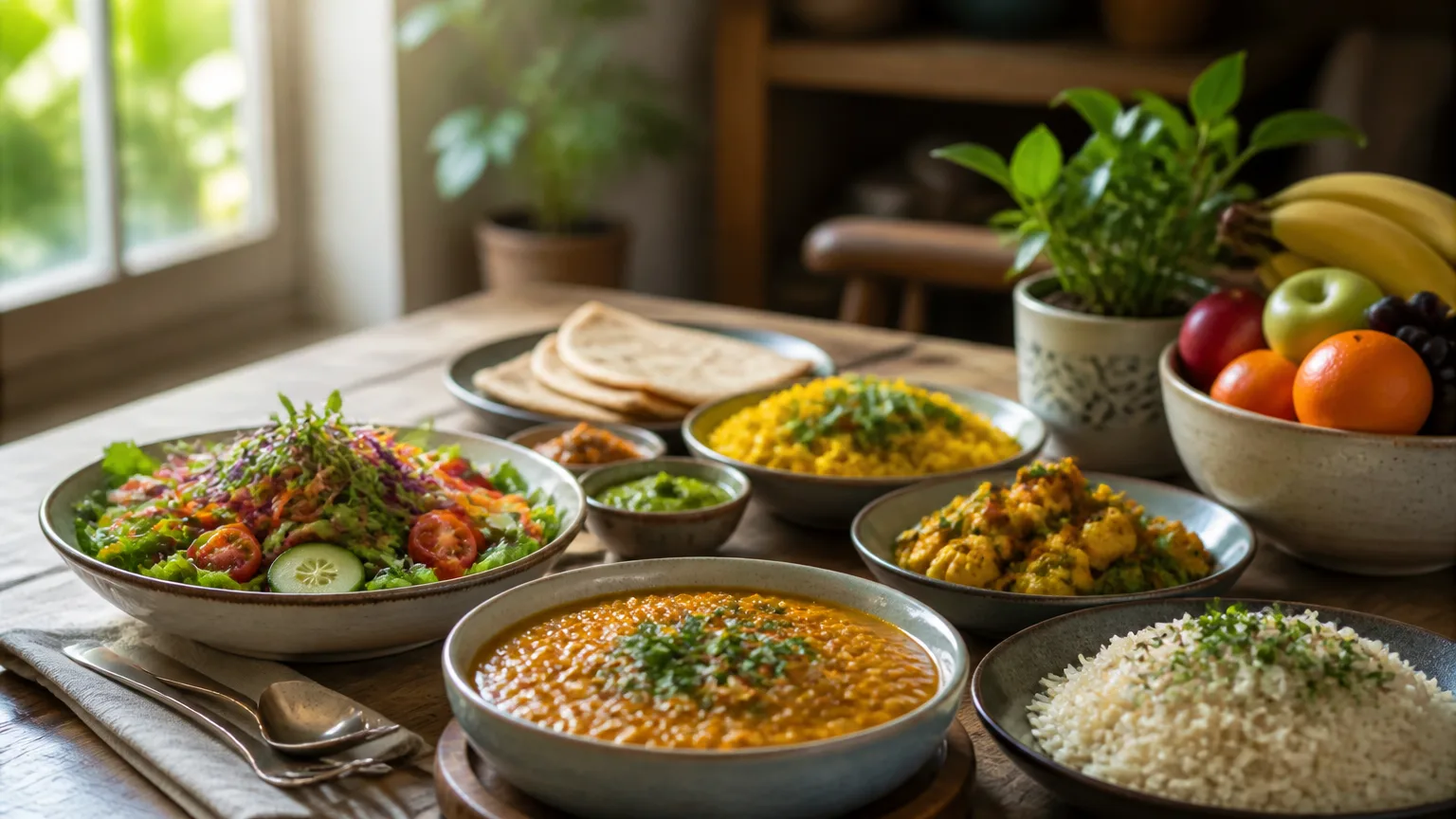
Food serves as a powerful bridge between nourishment and spirituality. In the Hare Krishna tradition, vegetarian meals hold deep significance, representing not only sustenance for the body but also a form of devotion. Preparing and sharing these meals can elevate everyday eating to an act of love and self-care.
The concept of meals as a form of devotion invites us to recognize the energy and intention behind our food choices. Simple, easy meal ideas can transform our daily routines into moments of mindfulness and gratitude. When we approach cooking and eating with this mindset, we nurture not only our bodies but also our spirits.
Incorporating nourishing meals into our lives can enhance our overall well-being. For instance, a freshly prepared vegetable curry not only delights the palate but also embodies the principles of compassion and respect for all living beings. Such meals encourage a connection to the earth and its bounty, reminding us of the abundance around us.
This article will explore five easy meal ideas that align with the principles of the Hare Krishna tradition. Each recipe emphasizes the importance of wholesome ingredients and mindful preparation. As you discover these nourishing dishes, consider how they can enrich your life and foster a deeper connection to yourself and the world around you. Embrace the journey of nurturing both your body and spirit through the transformative power of food.
1. Colorful Vegetable Curry for Vibrant Energy
A colorful vegetable curry serves as a perfect meal to uplift your energy and spirit. This dish not only delights the palate but also utilizes fresh, seasonal vegetables, ensuring optimal flavor and nutrition. By embracing the vibrant hues of your ingredients, you create a visually appealing meal that invigorates both body and mind.
Selecting Fresh, Seasonal Vegetables
To craft a nourishing curry, begin by selecting vegetables that are in season. Seasonal produce is not only ripe and flavorful, but it also contains higher nutrients. For instance:
- Bell Peppers: Rich in vitamins A and C, they add sweetness and crunch.
- Zucchini: A versatile ingredient that absorbs flavors beautifully.
- Spinach: Packed with iron, it enhances the dish’s nutritional profile.
- Carrots: These sweet roots provide color and a satisfying texture.
- Turmeric: Known for its anti-inflammatory properties, it adds a warm hue and a subtle earthiness.
- Cumin: Offers a nutty, aromatic flavor that enhances depth.
- Coriander: Brightens the dish with its citrus notes.
- Ginger: Provides a zesty kick that aids digestion.
- High in Protein: Lentils are an excellent source of plant-based protein, essential for muscle repair and growth.
- Rich in Fiber: Dal aids digestion and helps maintain stable blood sugar levels, promoting overall gut health.
- Vitamins and Minerals: Dal contains vital nutrients like iron, folate, and magnesium, which support immune function and energy production.
- Choose Quality Ingredients: Select organic lentils and fresh spices. The quality of your ingredients directly impacts the flavor and health benefits of your meal.
- Set an Intention: Before you start cooking, take a moment to reflect on your intentions. Visualize nourishing your body and spirit through the meal you are about to prepare.
- Use Aromatic Spices: Incorporate spices like turmeric, cumin, and coriander. These not only enhance flavor but also provide additional health benefits, such as anti-inflammatory properties.
- 1 cup red lentils
- 3 cups water
- 1 onion, chopped
- 2 tomatoes, chopped
- 2 cloves garlic, minced
- 1 teaspoon turmeric
- 1 teaspoon cumin
- Salt to taste
- Fresh cilantro for garnish
- Almond flour: A gluten-free alternative that adds richness and nutty flavor.
- Mashed bananas: These provide natural sweetness and moisture, reducing the need for refined sugars.
- Coconut sugar: A healthier sweetener that offers a lower glycemic index.
- Cardamom and vanilla: Essential spices that enhance the cake’s aroma and flavor.
- Fresh fruits: Such as berries or slices of mango, which add a refreshing contrast.
- Coconut cream: A dollop of this creamy topping enhances richness and ties back to the cake’s tropical flavors.
- Protein: Mung beans and lentils provide essential amino acids.
- Fiber: The dish supports digestive health, promoting regularity.
- Vitamins and Minerals: Rich in B vitamins, magnesium, and iron, kichari is essential for energy and overall health.
- 1 cup basmati rice
- 1 cup mung beans or lentils
- 4 cups water
- 1 tsp turmeric
- 1 tsp cumin seeds
- Salt to taste
- Optional: Vegetables (carrots, spinach, etc.), ghee or coconut oil
- Add Fresh Herbs: Garnish with cilantro or parsley for a burst of freshness.
- Incorporate Seasonal Vegetables: Boost nutrient content with seasonal produce.
- Adjust Spices: Customize the spice profile to suit your taste and digestive needs.
- 2 large sweet potatoes
- 1 tablespoon olive oil
- 1 teaspoon sea salt
- 1 teaspoon ground cinnamon
- 1 tablespoon maple syrup (optional)
- Fresh herbs (like rosemary or thyme) for garnish
- Savory Twist: Add a pinch of smoked paprika and garlic powder for a more savory profile that evokes warmth and comfort.
- Spicy Kick: Incorporate cayenne pepper or chili flakes for a spicier version that energizes the spirit.
- Herbaceous Delight: Mix in fresh herbs like cilantro or parsley to elevate the dish and add a touch of freshness.
- Set an Intention: Before cooking, take a moment to express gratitude for the ingredients and set a positive intention for the meal.
- Mindful Eating: As you enjoy your sweet potato dish, focus on the flavors, textures, and aromas. This mindfulness fosters a deeper connection to the food.
- Share the Meal: Consider sharing your spiritually infused sweet potato dish with loved ones. Sharing food can strengthen bonds and create a communal experience that nourishes both body and spirit.
- Vegetarianism: All meals must be free from meat, fish, and eggs.
- Sattvic Foods: Encourage the consumption of fresh, natural ingredients that promote clarity and peace, such as fruits, vegetables, grains, and legumes.
- No Alcohol or Intoxicants: These substances are considered detrimental to spiritual growth and mental clarity.
Incorporating a variety of colors not only creates a feast for the eyes but also ensures a broad range of nutrients. Aim for a mix that includes reds, greens, yellows, and purples to maximize health benefits and stimulate your spirit.
Balancing Flavors and Spices
The essence of a great curry lies in its harmony of flavors. Achieving balance is vital for both taste and spiritual nourishment. Start with a base of sautéed onions and garlic. This creates a fragrant foundation that draws out the flavors of the vegetables.
Next, consider the spices:
Combine these spices in a way that complements the vegetables. For example, add turmeric and ginger early in the cooking process to allow their flavors to infuse the oil. Follow with cumin and coriander to bloom their aromatic qualities.
Preparing the Curry
To prepare your colorful vegetable curry, follow these simple steps:
1. Sauté the Aromatics: Heat oil in a large pot. Add chopped onions and minced garlic, cooking until soft and translucent.
2. Incorporate the Spices: Stir in turmeric, cumin, coriander, and ginger. Cook for 1-2 minutes until fragrant.
3. Add the Vegetables: Toss in your chosen seasonal vegetables. Stir to coat them with the spice mixture.
4. Add Liquid: Pour in coconut milk or vegetable broth, ensuring that the vegetables are submerged. This will create a creamy, rich sauce.
5. Simmer: Allow the curry to simmer for 20-30 minutes. This will soften the vegetables and meld the flavors.
6. Finish and Serve: Adjust seasoning with salt and pepper. Serve hot, garnished with fresh cilantro.
Mindful Enjoyment
As you savor your colorful vegetable curry, take a moment to engage in mindfulness. Appreciate the vibrant colors and the aromatic spices. Each bite not only nourishes your body but also uplifts your spirit.
Consider pairing the curry with a side of brown rice or quinoa to enhance the meal’s nutritional profile. This provides a satisfying base that complements the flavors of the curry while offering additional fiber and protein.
By making this easy meal a regular part of your diet, you not only fuel your body but also cultivate a deeper connection to the ingredients and the earth. Embrace the vibrant energy of this dish as a means to nourish your spirit and support your journey toward holistic well-being.
2. Divine Dal: A Classic Comfort Food
Dal, a staple in many vegetarian diets, serves as both a nourishing meal and a source of comfort. This lentil-based dish is not only rich in flavor but also packed with nutrients. The different types of dal—such as red, green, yellow, and black lentils—offer a variety of health benefits.
Nutritional Benefits of Dal
Incorporating dal into your diet can enhance your overall health while providing a comforting meal that warms the soul.
Different Types of Dal
1. Red Lentils (Masoor Dal): Quick to cook and mildly sweet, they are ideal for soups and stews. Rich in antioxidants, they help combat oxidative stress.
2. Green Lentils (Moong Dal): Nutty in flavor, they are high in protein and low in calories, making them perfect for weight management.
3. Yellow Lentils (Toor Dal): Known for their creamy texture, they are a great source of fiber and help lower cholesterol levels.
4. Black Lentils (Urid Dal): Packed with iron, these are often used in traditional Indian dishes and provide a hearty texture.
Cooking Dal Mindfully
Cooking dal can be a meditative practice that nurtures both body and spirit. To prepare this dish mindfully, consider the following tips:
A Simple Recipe for Divine Dal
Here’s a straightforward recipe to get you started:
#### Ingredients:
#### Instructions:
1. Rinse the Lentils: Begin by rinsing the lentils under cold water until the water runs clear.
2. Cook the Base: In a pot, sauté onions and garlic until translucent. Add tomatoes, turmeric, and cumin. Cook for 5-7 minutes until the tomatoes soften.
3. Add Lentils and Water: Stir in the rinsed lentils and add water. Bring to a boil, then reduce heat and simmer for 20-25 minutes until the lentils are soft.
4. Season and Serve: Add salt to taste and garnish with fresh cilantro. Serve warm with rice or flatbread.
Spiritual Significance of Dal
Beyond its nutritional benefits, dal holds spiritual significance in many cultures. It symbolizes nourishment and abundance. Sharing dal with family and friends enhances the communal aspect of meal preparation, fostering connections and gratitude.
As you savor each bite, reflect on the journey of the ingredients from the earth to your plate. This mindful approach not only enhances your appreciation of the meal but also strengthens your bond with the food you consume.
By integrating divine dal into your diet, you embrace an easy meal that nurtures both body and spirit. The warmth and nourishment it provides can elevate your overall well-being and deepen your connection to the essence of food.
3. Ekadashi Cake: A Sweet Touch to Spirituality
Ekadashi cake embodies the essence of fasting and devotion, providing a delightful way to honor spiritual traditions while nourishing the body. This cake, often enjoyed during religious observances and special occasions, is crafted from ingredients that align with the principles of Ekadashi, a day of fasting observed in various spiritual communities.
Key Ingredients
The beauty of ekadashi cooking lies in its use of simple, wholesome ingredients. Common components include:
These ingredients not only contribute to the cake’s taste but also align with the spirit of fasting. They are easily digestible and free from grains, making them suitable for those observing dietary restrictions on Ekadashi.
Preparation Steps
Creating an ekadashi cake is straightforward and requires minimal time. Follow these simple steps:
1. Preheat the oven to 350°F (175°C).
2. Mix dry ingredients: Combine almond flour, coconut sugar, and cardamom in a bowl.
3. Prepare wet ingredients: In another bowl, mash the bananas and add a splash of vanilla extract.
4. Combine: Gradually mix the dry ingredients into the wet mixture until fully integrated.
5. Bake: Pour the batter into a greased cake pan and bake for 25-30 minutes or until a toothpick comes out clean.
This cake not only serves as a delicious treat but also symbolizes the devotion and mindfulness associated with spiritual practices.
Role in Celebrations
The ekadashi cake plays a significant role in various celebrations and spiritual gatherings. It is often shared among family and friends during festivals, enhancing communal bonds. Serving the cake at such events transforms a simple dessert into a ritual of gratitude and connection.
When enjoyed in a group setting, the cake fosters a sense of unity and shared purpose. Each bite becomes a reminder of the spiritual significance of the day, reinforcing the idea that food can be a conduit for devotion and reflection.
Serving Suggestions
To elevate the experience, consider pairing the ekadashi cake with:
These accompaniments not only enhance the cake’s taste but also promote a holistic approach to nourishment, celebrating both the body and spirit.
Spiritual Connection
Incorporating ekadashi cake into your meals is more than just about taste; it is about cultivating a deeper connection to your spiritual practices. Each time you prepare and share this cake, you engage in a mindful act that honors your beliefs and intentions.
This easy meal serves as a reminder of the balance between indulgence and restraint, making it an ideal choice for those seeking nourishment that aligns with their values. As you enjoy this cake, reflect on its significance and the joy it brings to your spiritual journey.
By embracing the tradition of ekadashi cake, you not only satisfy your taste buds but also nourish your spirit, creating a fulfilling experience that transcends culinary enjoyment.
4. Refreshing Kichari: Nourishment for Body and Soul
Kichari, a traditional dish originating from India, exemplifies simplicity and nourishment. This easy meal combines rice and lentils, creating a complete protein that is both satisfying and healing. Historically, kichari has been revered not just as a dish but as a remedy, often prescribed during periods of fasting or cleansing. Its balanced composition supports digestive health and provides essential nutrients, making it a staple in Ayurvedic diets.
The significance of kichari extends beyond its nutritional value. In Ayurveda, it is considered a therapeutic food, particularly beneficial for detoxification. The combination of mung beans, basmati rice, and spices such as turmeric and cumin aids digestion and promotes a sense of tranquility. The gentle flavors of kichari soothe the body while nourishing the spirit, making it an ideal choice during times of stress or fasting.
Dietary Significance
Kichari serves as an excellent source of nutrients, including:
These components make kichari a versatile meal, suitable for various dietary needs. It is particularly beneficial during cleansing periods, as it is easy to digest and allows the body to focus on detoxification.
Benefits During Fasting or Cleansing
When embarking on a fasting or cleansing journey, the body requires gentle nourishment. Kichari offers the following benefits:
1. Ease of Digestion: Its simple ingredients promote digestive comfort, reducing the risk of bloating or discomfort.
2. Sustained Energy: The combination of carbohydrates and protein provides lasting energy without overwhelming the system.
3. Nutrient Density: Packed with vitamins and minerals, kichari nourishes the body at a cellular level during detoxification.
Incorporating kichari into a cleansing regimen can enhance the experience, making it both enjoyable and effective.
Preparing Kichari: A Mindful Practice
To experience the full benefits of kichari, preparation becomes a mindful practice. Here’s a simple recipe to get you started:
#### Ingredients:
#### Instructions:
1. Rinse the rice and beans thoroughly under cold water.
2. In a pot, add water, rice, and beans. Bring to a boil.
3. Reduce heat and add turmeric, cumin, and salt.
4. Simmer for 30-40 minutes until everything is soft. Add vegetables if desired.
5. Serve warm with a drizzle of ghee or coconut oil for added richness.
This straightforward recipe highlights the essence of kichari: nourishing ingredients combined with mindful preparation.
Enhancing Your Kichari Experience
To further elevate your kichari, consider these enhancements:
By personalizing your kichari, you create a dish that resonates with your unique palate while maintaining its nourishing properties.
Kichari, with its historical significance and therapeutic benefits, is more than just an easy meal. It is a celebration of nourishment that connects body and spirit. As you savor this dish, reflect on its healing qualities and the joy it brings to your culinary journey.
5. Spiritually Infused Sweet Potato Dinner Recipe
Sweet potatoes are more than just a nutritious food; they hold deep symbolism in various spiritual traditions. Often associated with grounding energy and abundance, sweet potatoes represent nourishment on multiple levels. This spiritually infused sweet potato dinner recipe serves as both comfort food and a spiritual offering, allowing you to connect with the essence of the earth and your inner self.
Basic Recipe
Ingredients:
Instructions:
1. Preheat your oven to 400°F (200°C).
2. Scrub and pierce the sweet potatoes with a fork.
3. Rub them with olive oil and sprinkle with sea salt.
4. Roast for 45-60 minutes until tender.
5. Drizzle with maple syrup and sprinkle with cinnamon before serving.
6. Garnish with fresh herbs.
This simple preparation allows the natural sweetness of the potatoes to shine, offering a comforting dish that satisfies your palate while nourishing your spirit.
Flavor Variations
To further enhance the spiritual experience, consider these flavor combinations:
Each variation not only alters the flavor but also serves to symbolize different aspects of your spiritual journey. For instance, the warmth of spices can evoke feelings of safety and protection, while fresh herbs can represent renewal and growth.
Symbolism in Spirituality
Sweet potatoes have long been associated with various spiritual practices. In many cultures, they are seen as a source of sustenance and fertility. The act of preparing sweet potatoes can also serve as a meditative practice. As you wash, peel, and chop, take the time to reflect on your intentions. This mindfulness can infuse the food with positive energy, transforming your meal into a meaningful ritual.
Culinary Ritual
Incorporating rituals into your meal preparation enhances its spiritual significance. Here are some actionable steps to create a culinary experience:
Conclusion
By embracing the spiritually infused sweet potato dinner recipe, you not only create an easy meal but also cultivate a nurturing atmosphere that supports your holistic well-being. Whether you choose to enjoy it alone or with others, this dish serves as a reminder of the powerful connection between food, spirituality, and the nourishment that sustains us.
Frequently Asked Questions
In the realm of spiritual cooking, particularly within the Hare Krishna tradition, many individuals seek clarity on practices that elevate both their meals and their spirits. Below, we address some common questions that arise in this context.
Should spiritual food be offered before eating?
Offering food before consumption is a fundamental practice in the Hare Krishna tradition. This act, known as “prasadam,” transforms ordinary meals into spiritual nourishment. By dedicating the food to Krishna, practitioners express gratitude and acknowledge the divine presence in their meals. This ritual not only sanctifies the food but also enhances its nourishing qualities, fostering a deeper connection to the meal and the divine.
What are the key dietary restrictions in the Hare Krishna tradition?
Dietary guidelines within the Hare Krishna tradition emphasize:
Adhering to these principles helps create a diet that nurtures both the body and spirit, aligning with a holistic lifestyle.
How can I make meals more spiritually uplifting?
Enhancing the spiritual quality of your meals involves several mindful practices:
1. Mindful Preparation: Approach cooking as a meditative process. Focus on the ingredients and the act of creation. This intention infuses your meal with positive energy.
2. Gratitude: Incorporate a moment of gratitude before and during meal preparation. Acknowledge the source of your ingredients and the effort that brought them to your table.
3. Creative Presentation: Present your meals beautifully. This not only pleases the eye but also elevates the dining experience, making it more sacred.
4. Incorporate Mantras: While cooking or eating, recite mantras or prayers. This practice connects your meal with spiritual vibrations, enhancing its uplifting qualities.
By integrating these practices into your cooking routine, you can transform your meals into nourishing experiences that support not just physical health but also spiritual well-being. Embrace these guidelines to cultivate a deeper relationship with the food you consume, enriching both body and spirit.
Conclusion: Embracing Nourishment for Body and Spirit
As we conclude our exploration of these five easy meal ideas, it is essential to reflect on the profound connection between food, spirituality, and overall well-being. Each dish serves not only as a source of nourishment for the body but also as a means to elevate the spirit. By engaging in mindful cooking, you transform simple ingredients into powerful vessels of love, intention, and healing.
Consider how the act of preparing meals can become a ritual that fosters a deeper relationship with yourself and the world around you. Approaching cooking with gratitude and awareness allows you to connect with the energy of the food, enhancing both its flavor and its impact on your well-being. For instance, taking time to appreciate the colors, textures, and aromas of your ingredients can turn an ordinary meal into a sacred experience.
We encourage you to share your culinary journeys with others. Whether it’s a new recipe, a cooking tip, or a moment of mindfulness during preparation, your experiences can inspire and uplift those around you. Engaging with a community of like-minded individuals enhances the joy of cooking and reinforces the spiritual aspects of nourishment.
Incorporating these easy meal ideas into your routine can be a gateway to cultivating a nourishing lifestyle. As you savor each bite, remember that you are not just feeding your body but also nurturing your spirit. Embrace the journey of nourishment, and let it guide you toward holistic well-being.