
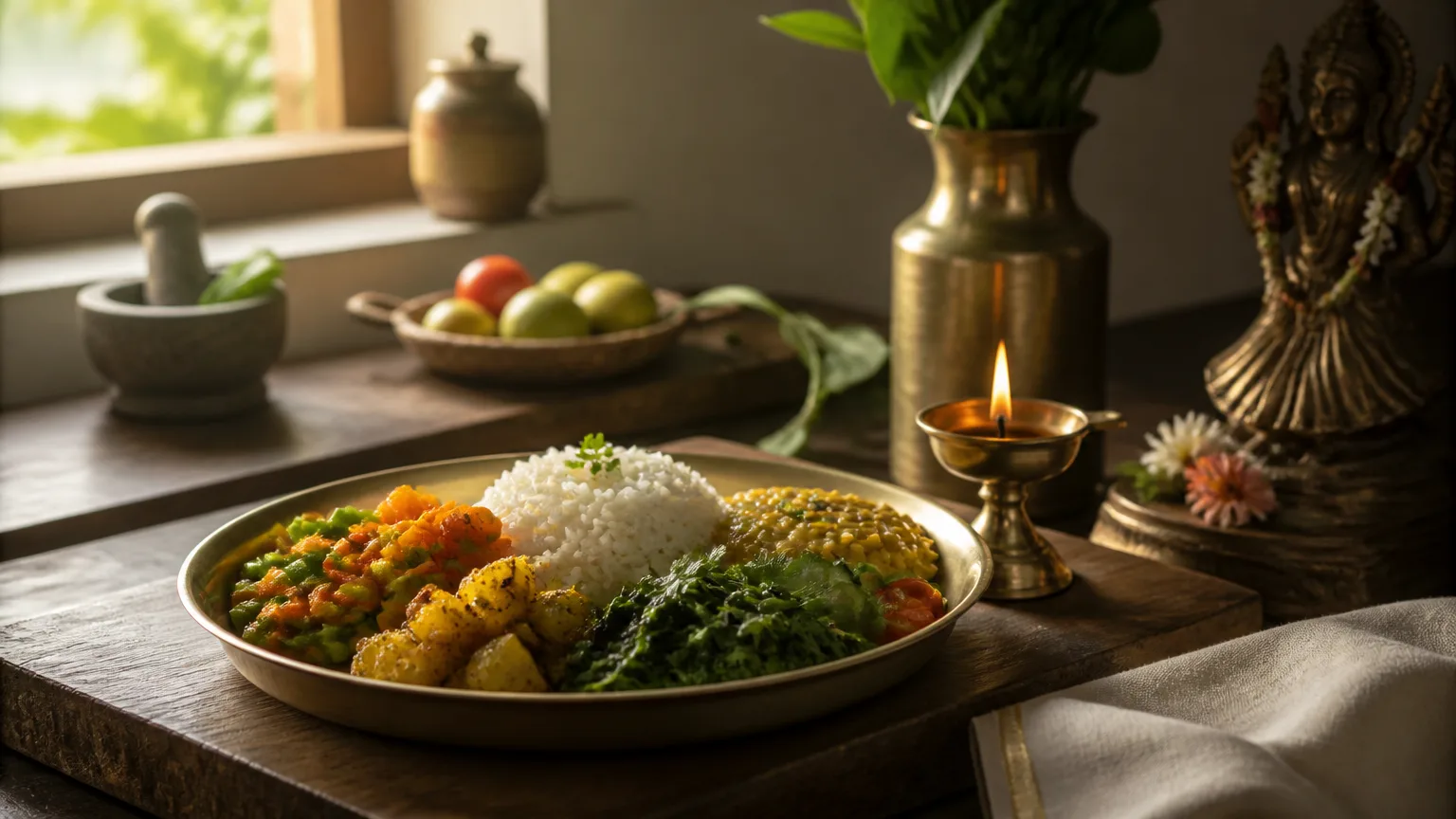
Olivia’s cooking offers a practical starting point for anyone seeking vegetarian recipes with meaning, not just a meal to make. Whether you’re a Hare Krishna devotee or a curious cook, you can explore how everyday ingredients and thoughtful preparation can support a more mindful approach to food.
In the Hare Krishna tradition, devotees may offer food to Krishna before eating it. This practice, called prasadam, gives cooking a spiritual purpose while keeping the process grounded in familiar tasks, such as preparing vegetables, grains, and spices. You don’t need prior knowledge of the tradition to explore these ideas.
Begin with the Hare Krishna Recipes homepage for recipe ideas, then compare its suggestions with other cookbooks, trusted food sites, and your own tastes. This guide will help you find useful sources, assess which recipes suit your needs, and adapt ideas with care. Along the way, you’ll discover simple ways to make cooking more intentional, whether you’re preparing a weeknight dinner or sharing food with others.
What Makes Cooking Spiritual in the Hare Krishna Tradition?
In the Hare Krishna tradition, cooking can be more than preparing a meal. For many practitioners, it offers a way to express devotion through everyday care. The process may include choosing ingredients thoughtfully, keeping the cooking space clean, and preparing food with a calm, respectful attitude.
A central idea is offering food to Krishna before eating. Food prepared and offered in this way is called prasadam, a Sanskrit term often understood as mercy or grace. In many communities, the offering is a devotional practice, and the food is then shared and received with gratitude.
Practices vary among individuals and communities. Some people follow specific guidance about ingredients, preparation, or how to make an offering; others may approach the practice in a simpler way. If you want to follow a particular tradition, ask a trusted teacher or community member for guidance rather than assuming one set of rules applies to everyone.
Intention matters, but it does not require a perfect meal or elaborate ceremony. A home cook might prepare a simple vegetable dish with attention and gratitude, then offer it according to the guidance they have received. Even without following a formal practice, pausing to appreciate the ingredients and the people who helped bring them to the table can make cooking feel more meaningful.
Cleanliness and respect for ingredients also shape the experience. Washing produce, organizing the workspace, and handling food carefully can reflect a sense of care. This need not mean waste-free perfection; it can be as practical as using what you have and treating each ingredient as worth your attention.
These ideas can also inspire recipe choices. When exploring Olivia’s cooking or looking for new dishes, consider how a recipe fits your tastes and how you might prepare it with care. For more ideas for spiritual cooking, explore ingredients and dishes that invite reflection, while adapting them to your kitchen and circumstances.
For newcomers, the simplest starting point is to cook attentively and learn at a comfortable pace. You can try a familiar recipe, keep your workspace clean, and take a moment to feel grateful for the food. If you choose to make a formal offering, your local Hare Krishna community can explain the practices it follows.
Where to Find Recipes That Fit Your Needs
A good recipe source helps you cook with confidence, not just find ideas. Look for clear ingredient lists, reliable instructions, and useful context about dietary choices. A “vegetarian” label alone may not tell you whether a dish fits your needs or traditions.
Explore trusted sources
Start with people and communities whose cooking you know and trust. Family members can explain why they use certain ingredients, while local vegetarian groups may share practical tips and tested recipes. If you follow Hare Krishna practices, ask your local community about its guidance on ingredients and food preparation.
Cookbooks and established cooking websites can broaden your options. Choose sources that explain steps clearly, include preparation and cooking times, and offer realistic serving sizes. Read the full recipe before shopping so you can check for ingredients you avoid and equipment you may not have.
You can also draw inspiration from cuisines beyond the ones you cook most often. For example, this collection of vegetarian recipes inspired by Southern cooking offers ideas rooted in another culinary tradition. Use it to explore new flavors, then review each recipe for ingredients and methods that suit your practice.
Check whether a recipe fits
Before choosing a recipe, compare it with four practical needs:
Dietary needs: Check every ingredient, including broth, sauces, seasonings, and optional toppings. If an ingredient is unclear, consult the source or choose a suitable substitute.
Available ingredients: Look at what you already have and note any specialty items. Decide whether a substitution will work before you begin.
Skill and time: Match the recipe to your experience and schedule. A dish with several steps or unfamiliar techniques may be better for a relaxed weekend than a busy evening.
Devotional practice: Check whether the ingredients and preparation align with the guidance you follow. Practices can vary, so seek advice from your community when you are unsure.
A recipe can be useful even when it needs adjustment. For instance, if it calls for an ingredient you do not use, look for a tested alternative or choose another dish rather than assuming the change will work.
Keep a simple recipe list
Save recipes that meet your needs, and record what you changed after cooking. Note useful details such as ingredient swaps, cooking time, and whether the dish worked for a shared meal. Over time, this list can help you find reliable options quickly and develop your own sense of what suits your kitchen.
When exploring Olivia’s cooking or any other source, use the same checks. Clear instructions and thoughtful context make it easier to choose recipes with confidence.
How to Adapt a Recipe for a Devotional Vegetarian Kitchen
A recipe does not need a complete overhaul to suit your kitchen. Start with the dish’s purpose, then adjust ingredients and methods to match your tastes, nutrition needs, available foods, and personal or community practice. The aim is to keep the meal appealing while making choices that feel appropriate to your household.
Traditions and household practices can differ, including among Hare Krishna practitioners. Check ingredient labels and, if you are unsure about a tradition-specific restriction, ask someone in your local community. This is especially helpful with packaged foods, spice blends, and prepared sauces, which may contain ingredients that are not obvious.
Choose substitutions that preserve the dish
Think about what each ingredient contributes before replacing it. In a curry, lentils or chickpeas can add protein and substance; vegetables such as squash or spinach can add texture and color. If a recipe calls for an ingredient you avoid, choose a substitute that serves a similar role rather than removing it without a replacement.
Availability matters, too. If a recipe calls for a hard-to-find vegetable, use a familiar seasonal option with a similar texture and cooking time. For ideas, explore unfamiliar ingredients to explore and consider how each might fit into a dish you already enjoy.
Adjust seasoning with care
Seasonings can help a substituted recipe retain its character. If you replace a sharp or pungent ingredient, try building flavor with herbs, spices, citrus, ginger, or a little extra cooking time. Add strong seasonings gradually, tasting as you go; a small change can shift the balance of the whole dish.
Olivia’s cooking or another recipe source can offer a useful starting point, but treat measurements as guidance. For example, a milder version of a spiced vegetable dish may need less chili, while toasted cumin or fresh herbs can add depth without making it hotter.
Keep the meal balanced
A satisfying meal usually includes more than one texture and a mix of nourishing components. Pair a grain with legumes and vegetables, or serve a vegetable curry with rice and a protein-rich side. When adapting a recipe, consider whether the finished dish still offers enough substance, variety, and flavor.
Use these checks before serving:
- Flavor: Do the main ingredients and seasonings work well together?
- Nutrition: Does the meal include filling foods, such as grains or legumes, along with vegetables?
- Practice: Have you checked ingredients and followed the guidance relevant to your household?
- Practicality: Can you find the ingredients and prepare the dish with the time you have?
Keep notes on changes that work, such as using chickpeas instead of paneer or reducing a spice blend. Over time, those small experiments can turn a promising recipe into one you can confidently make again.
Build a Reliable Collection of Everyday Meals
A promising recipe becomes more useful when you can find it, prepare it, and serve it again with confidence. Build a small collection of dependable meals that fit your schedule, preferences, and kitchen. Familiar staples can anchor the collection, while occasional new dishes keep it interesting.
Organize recipes for quick decisions
Choose a simple system you will maintain, such as a recipe app, a folder, or a notebook. Organize recipes in ways that answer everyday questions: What can I cook for dinner? How much time do I have? What is in season, or suitable for this occasion?
Useful categories include:
Meal: breakfast, lunch, dinner, snacks, or desserts
Preparation time: under 30 minutes, make-ahead, or weekend cooking
Season: dishes that use summer tomatoes, winter squash, or other seasonal ingredients
Occasion: weeknight meals, packed lunches, or shared gatherings
A recipe can belong to more than one category. For example, a vegetable soup might be tagged as a quick dinner, a make-ahead meal, and a winter favorite. This makes it easier to choose based on the day’s needs.
Keep notes that make recipes repeatable
After cooking a dish, record what worked and what you would change. Note tested substitutions, preparation details, and serving ideas while they are fresh. These small details can make a recipe easier to repeat than relying on memory alone.
For example, you might write, “Chickpeas worked well instead of paneer; add them near the end,” or, “Use half the spice blend for a milder result.” You could also note that a lentil curry pairs well with rice and a crisp salad. If you explore Olivia’s cooking, these notes can help you adapt a recipe to your ingredients and taste without losing track of the original method.
Choose dishes that make satisfying meals
Favor recipes that can stand on their own or combine easily with simple sides. A grain bowl, for instance, can include roasted vegetables, beans, and a sauce. A soup may become a fuller meal with bread and a side salad.
When reviewing a dish for your collection, consider whether it:
Uses ingredients you can find reliably
Fits the time and effort you have available
Provides enough food for the meal
Pairs well with a simple side or can be adapted with leftovers
Keep dependable meals at the center of your collection, then add new dishes gradually. You might rely on a few familiar pasta, rice, or bean recipes during busy weeks and try one unfamiliar recipe when you have more time. This balance makes the collection practical without letting everyday cooking feel repetitive.
Find Inspiration in Ingredients, Seasons, and Community
A reliable recipe collection is useful, but fresh cooking ideas do not have to come from a steady stream of new recipes. Start with what is available, familiar, and meaningful to you. Ingredients, seasons, regional traditions, and shared meals can all help you plan food with more variety and purpose.
Let one ingredient lead
Choose a single ingredient and imagine several ways to use it. A cauliflower, for example, could become a spiced curry, a roasted side dish, or a filling for wraps. A basket of ripe tomatoes might inspire soup one day and a simple sauce the next.
This approach helps you use what you have while keeping meals distinct. Check your pantry first, then pair the ingredient with different grains, legumes, herbs, or spices. For inspiration with a lighter tone, explore a playful take on culinary inspiration.
Follow the seasons
Seasonal produce can make meal planning feel less repetitive because ingredients change throughout the year. In warmer months, fresh corn, tomatoes, and greens may suit quick meals. In cooler months, squash, root vegetables, and beans can form the base of hearty soups or stews.
Use a market visit or grocery store display as a prompt. Pick one or two seasonal ingredients, then plan meals around dishes you already know. If you follow Olivia's cooking or another recipe source, adapt a familiar recipe to feature what is fresh and easy to find.
Learn from regional cooking and community
Regional cuisines offer practical ideas for combining local ingredients, spices, and cooking methods. Try learning about a dish before adapting it: note its traditional ingredients, when people serve it, and what role it plays in a meal. This context helps you approach unfamiliar food with respect rather than treating it as a flavor trend.
You can also ask cooks at a temple or in your local community about dishes they know well. Ask what the dish means to them, how families prepare it, and whether ingredients or methods vary by region. Listen first, and avoid assuming that one person speaks for an entire tradition.
Let shared meals shape your ideas
Community meals and celebrations can introduce dishes you might not find in your usual recipe search. After a meal, ask about a dish that interested you and whether the cook would be comfortable sharing its name or preparation. A simple conversation can lead to useful cooking ideas and a deeper appreciation of the food.
Keep your own dietary and devotional context in view as you explore. Check ingredients, preparation methods, and any offering practices that matter to you. You can appreciate a dish’s cultural background while choosing a version that fits your needs and the guidance of your community.
Make the Cooking Process Mindful and Manageable
A reliable recipe is only part of a satisfying cooking experience. A calm, thoughtful routine can help you prepare food with care, even on a busy day. Mindful cooking does not require special equipment, a long ritual, or a perfect kitchen. It begins with choosing an approach that suits your time and energy.
Start by selecting a manageable recipe. If you have 30 minutes, choose a dish with a short ingredient list and familiar steps rather than a complex meal that needs several pans. When browsing Olivia’s cooking or another recipe source, check the total preparation and cooking time—not just the time listed for cooking.
A little preparation can prevent last-minute pressure. Read the recipe once, gather the ingredients, and measure or chop what you can before turning on the stove. For example, rinsing rice and chopping vegetables in advance can make a weeknight meal easier to manage. Allow a small time buffer for unexpected delays.
Keep your workspace clean and organized as you go. Put ingredients within reach, set aside a bowl for scraps, and wash utensils when practical. These habits make cooking safer and reduce the stress of searching for tools or clearing clutter mid-recipe. If time is tight, focus on the essentials: a clear counter, clean hands, and the equipment you need.
Attention can be simple. Notice how the food smells as spices warm, or pause to taste and adjust the seasoning. If you follow a devotional practice, you might offer a brief expression of gratitude before cooking or serving. Such moments should feel sincere and personal, not like a performance or another task to complete.
Devotional cooking does not need to be elaborate to be meaningful. A straightforward dish made with care can fit your practice just as well as a special meal, depending on your beliefs and community guidance. On a busy evening, you might prepare a familiar rice and vegetable dish, keep the kitchen orderly, and give the meal your attention.
Build a routine you can repeat rather than aiming for an ideal process every time. Choose a suitable recipe, prepare what you can, and adjust the plan when circumstances change. With practice, these small habits can make cooking more manageable while keeping care and gratitude at the center.
Frequently Asked Questions
What does prasadam mean?
Prasadam is food prepared and offered to Krishna before it is served, according to Hare Krishna devotional practice. The offering process can vary among households and communities. If you want to make a formal offering, ask a trusted teacher or local community about its practices.
Do I need special cooking experience to begin?
No. Start with simple vegetarian meals you already know, such as rice and vegetables, lentil soup, or a bean dish. Cook attentively, keep your workspace clean, and add unfamiliar techniques at a comfortable pace. You do not need to master a complex recipe to make cooking meaningful.
What if I encounter unfamiliar dietary rules?
Dietary guidance can differ between traditions, communities, and individual households. Check ingredient lists and recipe notes, and ask questions if a rule is unclear. For example, some practitioners avoid particular ingredients, while others follow different guidance. Follow the advice of your own tradition or community when it applies.
Where should I start finding recipes?
Begin with sources that provide clear instructions, accessible ingredients, and useful context. You might explore Olivia’s cooking, a trusted vegetarian cookbook, or recipes shared by a community member. Try one straightforward dish, then note what worked and whether it suited your dietary needs and routine.
As you explore, keep familiar meals in your rotation and add new recipes gradually. That approach helps you build confidence without making everyday cooking feel demanding. When a recipe includes devotional guidance you do not know, treat it as a prompt to learn rather than assume every household follows the same practice.
Bring Recipe Discovery and Devotion Together
Recipe discovery is most rewarding when practical nourishment, personal inspiration, and spiritual intention can share the same kitchen. Whether you find a dish through Olivia’s cooking or another trusted source, choose recipes that fit your time, ingredients, tastes, and values.
Start with one approachable dish, such as a familiar bean curry or vegetable rice. Prepare it with care, make notes on any changes, and notice what you would like to repeat. Over time, these thoughtful meals can grow into a collection that suits your life. Choose a recipe to try this week, and let your cooking practice develop one meal at a time.