
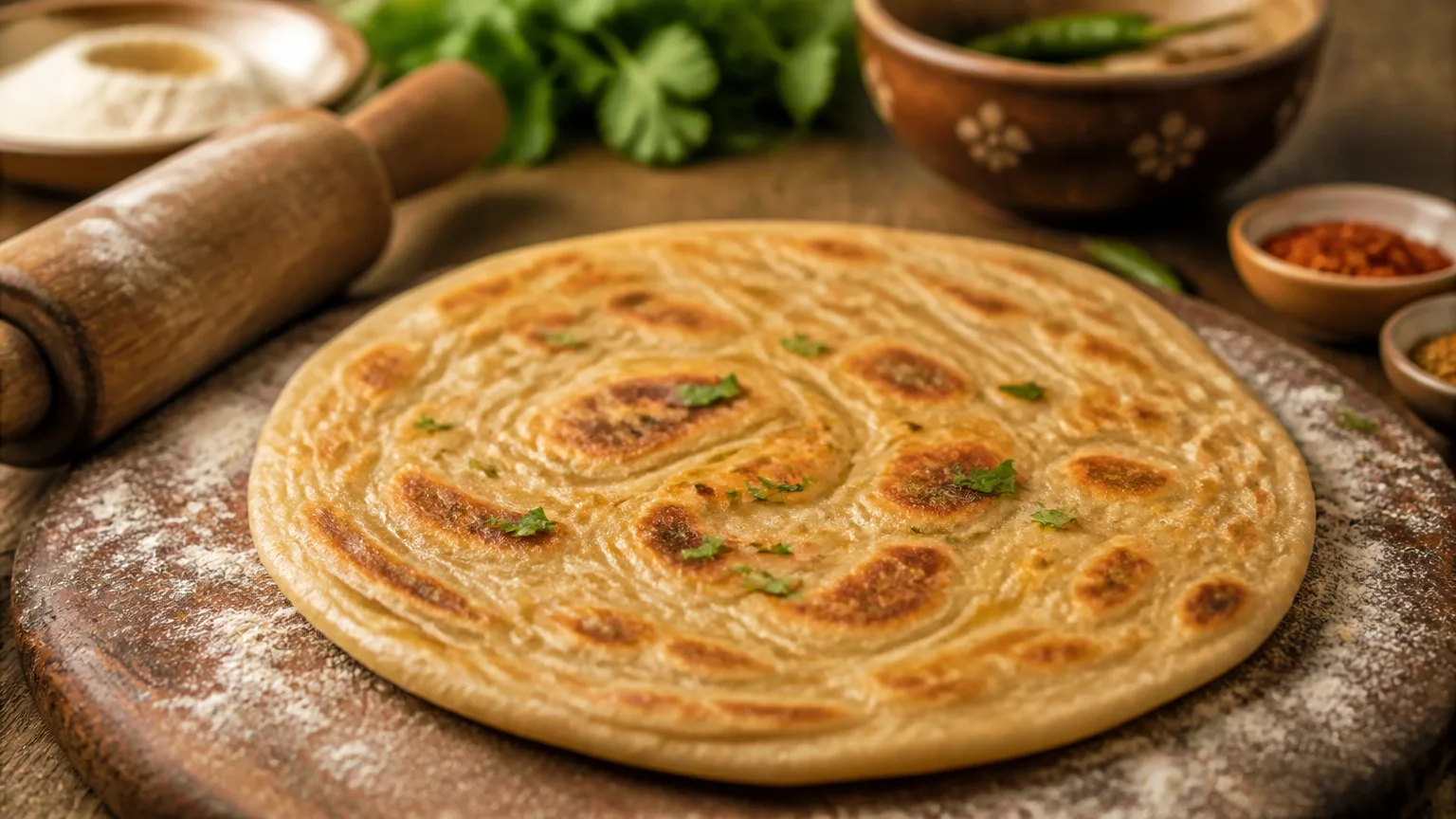
Paratha bread holds a revered place in the culinary landscape of India, especially among devotees of the Hare Krishna tradition. This versatile flatbread is not only a staple in many Indian diets but also represents a deep connection to the act of cooking as a spiritual practice. Preparing paratha invites individuals to engage fully in the cooking process, transforming a simple meal into a meaningful ritual.
In the Hare Krishna tradition, the preparation of food is seen as an offering to the divine. Each step, from kneading the dough to rolling and cooking the paratha, becomes an opportunity for mindfulness and devotion. This approach fosters a deeper appreciation for the ingredients and the act of creation itself, turning cooking into a spiritual experience.
As you embark on the journey to make perfect paratha bread, you will discover the joy of combining simple ingredients with care and intention. This guide will walk you through each step, ensuring that your paratha not only delights the palate but also nourishes the spirit. Embrace the art of paratha making, and elevate your cooking experience to a celebration of both flavor and spirituality.
Essential Ingredients for Perfect Paratha
To create authentic paratha bread, selecting the right ingredients is crucial. The foundation lies in using whole wheat flour, known as atta. This flour not only enhances the texture but also offers greater nutritional benefits compared to refined flour. Whole wheat flour is rich in fiber, aiding digestion and promoting heart health.
For a Hare Krishna diet, consider incorporating local vegetarian fillings. Popular choices include:
- Mashed Potatoes: Seasoned with spices, they create a comforting, hearty filling.
- Paneer: This Indian cheese provides protein and a rich, creamy texture.
- Mixed Vegetables: A colorful assortment of seasonal vegetables can be sautéed and spiced for a nutritious option.
- Chutneys:
- Curries:
These fillings not only complement the paratha but also align with vegetarian dietary practices, ensuring a wholesome meal.
When choosing your ingredients, prioritize freshness. Fresh vegetables and spices will elevate the flavor profile, making your paratha bread a delight for both the palate and the spirit.
Step-by-Step Preparation of Paratha Dough
To create perfect paratha bread, the dough preparation is crucial. Begin with a ratio of 2:1 for flour to water. Use two cups of whole wheat flour and approximately one cup of warm water. This balance ensures a pliable dough that will yield soft, flaky parathas.
Kneading the dough requires attention and patience. After combining the flour and water, use your palms to knead the mixture. Aim for a smooth texture; this may take about 10 minutes. If the dough feels too sticky, add a little more flour. Conversely, if it’s too dry, incorporate small amounts of water.
Mindfulness during this process enhances your connection with the food. As you knead, focus on the texture and consistency. Visualize the final product—the delicious paratha bread that will soon grace your table. Allow the dough to rest for at least 30 minutes. This resting period relaxes the gluten, making it easier to roll out later.
By following these steps, you set a solid foundation for creating flavorful parathas that are sure to impress.
Mastering the Art of Rolling and Cooking Parathas
Rolling and cooking paratha bread requires precision and attention to detail. Start by dividing the rested dough into equal portions. Roll each portion into a ball and lightly dust with flour. This prevents sticking and ensures an even thickness.
When rolling out the dough, aim for a uniform thickness of about ¼ inch. This consistency is crucial for uniform cooking. An uneven paratha will result in some areas being undercooked while others may burn, affecting both texture and flavor.
For cooking, a tawa (flat griddle) or skillet works best. Preheat the surface over medium heat. Place the rolled-out paratha onto the hot surface and cook for 1-2 minutes on each side. Look for small bubbles to form, indicating it’s time to flip.
To achieve a golden-brown finish, apply a little ghee or oil while cooking. This not only enhances the flavor but also adds a visually appealing color. Keep an eye on the paratha to avoid overcooking; the perfect paratha should be crispy yet soft.
Serving Suggestions and Pairing for Spiritual Meals
Serving paratha bread can transform a simple meal into a meaningful experience, especially during spiritual gatherings and festivals. Parathas pair beautifully with a variety of chutneys and curries that enhance their flavor and offer a wholesome dining experience.
Complementary Side Dishes
– Mint Chutney: Fresh and zesty, it adds a cooling effect.
– Tamarind Chutney: A sweet and tangy option that contrasts beautifully with the paratha’s richness.
– Chana Masala: A hearty chickpea curry that provides protein and depth.
– Palak Paneer: Spinach and cheese offer a nutritious pairing, rich in flavor.
These accompaniments not only enhance the culinary experience but also reflect a commitment to vegetarian values.
Significance of Sharing Food
During spiritual gatherings, sharing parathas fosters a sense of community and togetherness. Food has a unique ability to unite people, making every meal a celebration of connection and gratitude.
Embrace these serving suggestions to create a nourishing experience that honors both the palate and the spirit.
Bringing Parathas into Your Spiritual Practice
Making paratha bread is more than just a culinary task; it is a transformative experience imbued with love and intention. As you knead the dough and roll out each piece, you engage in a meditative process that connects you to the essence of cooking. Infusing your parathas with positive energy can elevate your meals into spiritual offerings.
Sharing these delightful creations with family and friends enhances the communal spirit. Each bite becomes a testament to the bonds of togetherness and gratitude. Consider hosting a gathering where everyone can participate in the paratha-making process, transforming the meal into a celebration of connection.
As you continue your culinary journey, explore additional Hare Krishna recipes that resonate with your spirit. These dishes not only nourish the body but also enrich the soul.
Finally, we invite you to share your experiences with making parathas. Whether it’s a new technique you discovered or a special ingredient you love, your stories can inspire others to embrace this joyful practice. Together, let us celebrate the art of paratha making, fostering a sense of community and spiritual fulfillment through the joy of cooking.