
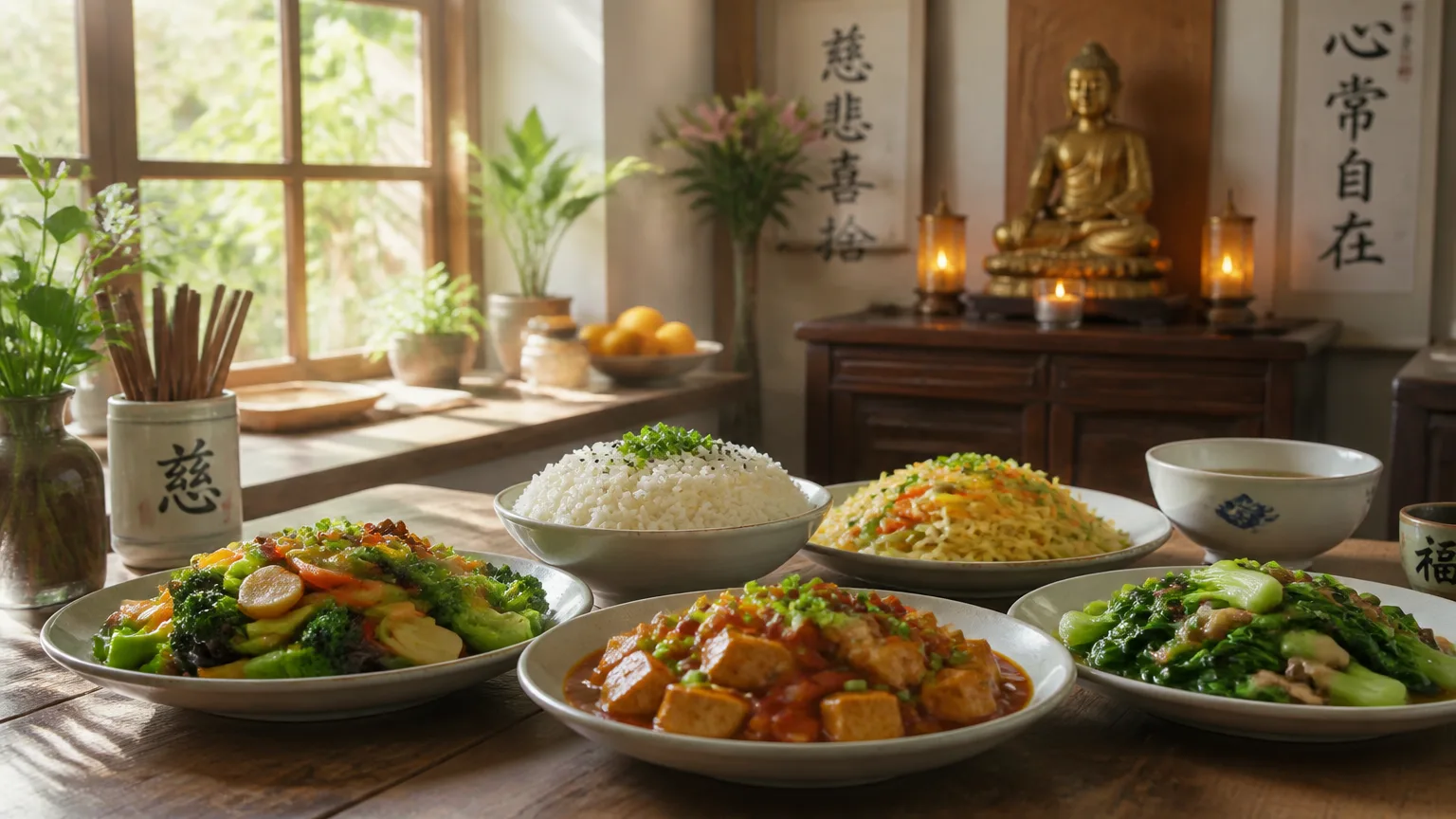
ISKCON Chinese recipes are part of the Hare Krishna tradition. In our culture, cooking transcends mere sustenance; it is a profound spiritual practice. Preparing food with devotion transforms the act into an offering, fostering a deeper connection to the divine. This philosophy emphasizes that the energy infused into each dish can elevate both the cook and the consumer, creating a sacred atmosphere at mealtimes.
Vegetarian cuisine holds a central role in ISKCON teachings, reflecting principles of non-violence and compassion. By using fresh, plant-based ingredients, devotees honor the sanctity of life and align their lives with higher spiritual goals.
In this article, we explore five delicious ISKCON Chinese recipes that not only nourish the body but also uplift the spirit. Each recipe exemplifies the harmony of flavors and intention, inviting you to embrace a holistic approach to cooking that enriches both your culinary skills and spiritual journey.
1. Vegetable Fried Rice: A Flavorful Offering
Vegetable fried rice stands as a quintessential dish in ISKCON Chinese recipes, marrying simplicity with depth. The choice of basmati rice not only enhances the dish’s aroma but also holds auspicious significance, representing purity and spiritual elevation.
Incorporating seasonal vegetables such as bell peppers, peas, and carrots allows you to express gratitude for the bounty of nature. These vibrant ingredients not only provide essential nutrients but also symbolize the diverse beauty of creation.
When preparing this dish, begin by sautéing finely chopped garlic and ginger in ghee, inviting their rich fragrances to fill your kitchen. Next, add your selected vegetables, ensuring they retain their crunch and color, which enhances the visual appeal of the offering.
Finish the dish with a sprinkle of soy sauce and a dash of sesame oil, infusing it with deep umami flavors. This not only elevates the taste but also aligns with the principle of devotion in your cooking, as each ingredient is chosen with intention and care.
2. Spicy Vegan Kung Pao Tofu: A Dash of Heat
Spicy Vegan Kung Pao Tofu is a vibrant dish that exemplifies the balance of healthful ingredients and devotion. Tofu serves as an excellent source of plant-based protein, making it a staple in many ISKCON recipes. Its ability to absorb flavors enhances the overall experience, both nutritionally and spiritually.
To prepare this dish, start by cubing firm tofu and marinating it in a mixture of soy sauce, garlic, and ginger. This marinade infuses the tofu with rich flavors while also promoting digestive health, an important aspect of spiritual cooking.
Next, sauté a medley of bell peppers, scallions, and peanuts in a hot wok. The combination of these ingredients not only adds texture but also a spectrum of colors that appeals to the senses. Incorporate a balanced blend of spices, such as Sichuan peppercorns and chili flakes, to introduce a delightful heat that awakens the palate.
Finish by tossing the marinated tofu into the wok, allowing it to absorb the vibrant flavors. A final drizzle of sesame oil adds depth, aligning with the principle that every ingredient should be chosen with intention. This dish not only nourishes the body but also elevates your spiritual practice, making it a perfect addition to your collection of ISKCON Chinese recipes.
3. Sweet and Sour Vegetable Manchurian: A Divine Balance
The Sweet and Sour Vegetable Manchurian embodies the essence of spiritual balance through its harmonious blend of flavors. This dish combines natural sweeteners like jaggery or maple syrup with tangy vinegar, creating a sauce that reflects the duality of life. Start by sautéing garlic and ginger in a pan, then add bell peppers, carrots, and onions for a vibrant base.
To prepare the sauce, dissolve the natural sweetener in water and mix it with soy sauce, vinegar, and a hint of chili paste. This mixture not only enhances the taste but also infuses the dish with positive energy. Remember, cooking with love is vital; as you stir the sauce, visualize your intentions for nourishment and joy.
Once the vegetables are cooked, coat them with the sauce and allow the flavors to meld. A final sprinkle of sesame seeds will add a delightful crunch, making this dish not just a culinary delight but a spiritual offering. Embrace this recipe as part of your ISKCON Chinese recipes collection, enriching both your palate and your practice.
4. Szechuan Noodles: A Wholesome Journey
Szechuan noodles embody a robust flavor profile that invigorates the senses and nourishes the spirit. This dish blends the heat of Szechuan peppercorns with the richness of garlic, creating a vibrant and memorable experience. To make this dish wholesome, opt for whole wheat noodles, which provide additional fiber and nutrients, enhancing both health and vitality.
Incorporating vegetables such as bell peppers and green onions not only adds color but also symbolizes prosperity and growth in various cultures. These ingredients contribute essential vitamins while aligning with the spiritual intention of abundance in your cooking practice.
As you prepare the noodles, think about the journey of each ingredient. Toss them together with a rich sauce made from soy sauce and chili oil, ensuring every bite is infused with flavor. This mindful approach transforms your cooking into a spiritual offering, deepening your connection to the food you prepare.
5. Vegetable Spring Rolls: A Symbol of New Beginnings
Vegetable spring rolls embody the essence of fresh starts, making them a fitting addition to your ISKCON Chinese recipes. The vibrant colors of fresh vegetables symbolize renewal and the potential for growth. As you prepare these rolls, reflect on the transformative power of nourishing ingredients in your spiritual journey.
To create these delightful spring rolls, gather fresh vegetables such as carrots, bell peppers, and cabbage. Thinly slice each vegetable and combine them in a bowl. Soak rice paper wrappers in warm water until pliable, then place a small amount of the vegetable mix in the center. Roll tightly, tucking in the edges as you go, to encapsulate the fresh essence of new beginnings.
For a flavorful dipping sauce, whisk together soy sauce, a splash of vinegar, and a hint of sesame oil. This simple yet delicious accompaniment enhances the spring rolls, allowing you to savor each bite mindfully. As you enjoy this dish, embrace the symbolism of fresh ingredients, nurturing both your body and spirit.
Elevating Your Cooking with ISKCON Principles
In conclusion, embracing the five ISKCON Chinese recipes discussed in this article offers a profound opportunity to enhance both your culinary skills and spiritual practice. Mindfulness in cooking is essential; each ingredient should reflect pure intentions, transforming a simple meal into a heartfelt offering.
As you prepare these dishes, consider the communal aspect of sharing food. Inviting friends and family to partake in your creations fosters connection and builds community, aligning with the ISKCON philosophy of love and service. Each shared meal becomes a moment of joy and unity, nourishing not only the body but also the spirit.
Incorporating these recipes into your kitchen repertoire is not merely about flavor; it is about cultivating a sacred space where cooking becomes an act of devotion. Let each dish serve as a reminder of the deeper purpose behind your culinary journey, enriching both your experience and those around you.
Frequently Asked Questions
What are ISKCON Chinese recipes?
ISKCON Chinese recipes are Chinese-inspired vegetarian dishes prepared according to the principles of Krishna consciousness. These recipes typically avoid meat, fish, eggs, onions, garlic, and mushrooms, making them suitable for offering to Krishna as prasadam.
Are Chinese recipes common in the Hare Krishna movement?
Yes. While traditional Indian cuisine is common in many Hare Krishna communities, devotees around the world prepare a wide variety of international dishes, including Chinese-inspired recipes, using sattvic ingredients suitable for devotional offerings.
What makes a Chinese recipe suitable for offering to Krishna?
A Chinese recipe can be offered to Krishna when it is prepared with devotion and contains ingredients that are traditionally acceptable in Vaishnava cooking. This generally means avoiding meat, fish, eggs, onions, garlic, mushrooms, and intoxicants.
What are the most popular Hare Krishna Chinese recipes?
Some popular Hare Krishna Chinese recipes include Vegetable Fried Rice, Kung Pao Tofu, Sweet and Sour Vegetable Manchurian, Szechuan Noodles, and Vegetable Spring Rolls. These dishes combine flavorful ingredients with devotional cooking principles.
Can ISKCON Chinese recipes be vegan?
Yes. Many ISKCON Chinese recipes are naturally vegan or can easily be made vegan by replacing ghee with plant-based oils and ensuring that all sauces and seasonings are free from animal products.
Why do Hare Krishna devotees avoid onions and garlic?
Many Hare Krishna devotees follow a sattvic diet, which emphasizes foods believed to promote clarity, peace, and spiritual consciousness. Onions and garlic are traditionally avoided because they are considered rajasic and tamasic foods in Vedic culture.
What is prasadam?
Prasadam refers to food that has been lovingly prepared and offered to Krishna before being consumed. In the Hare Krishna tradition, prasadam is considered spiritually purified and carries Krishna’s mercy.
Can beginners make these ISKCON Chinese recipes?
Absolutely. Most ISKCON Chinese recipes use simple cooking techniques and readily available ingredients, making them accessible to both beginner and experienced cooks.
What vegetables work best in Hare Krishna Chinese recipes?
Common vegetables include carrots, cabbage, bell peppers, peas, broccoli, green beans, corn, and snow peas. These vegetables add color, nutrition, and texture while aligning with vegetarian cooking principles.
What is the spiritual benefit of cooking according to ISKCON principles?
Cooking according to ISKCON principles transforms meal preparation into an act of devotion. By preparing food with mindfulness, gratitude, and the intention of offering it to Krishna, devotees cultivate spiritual awareness while nourishing themselves and others.