
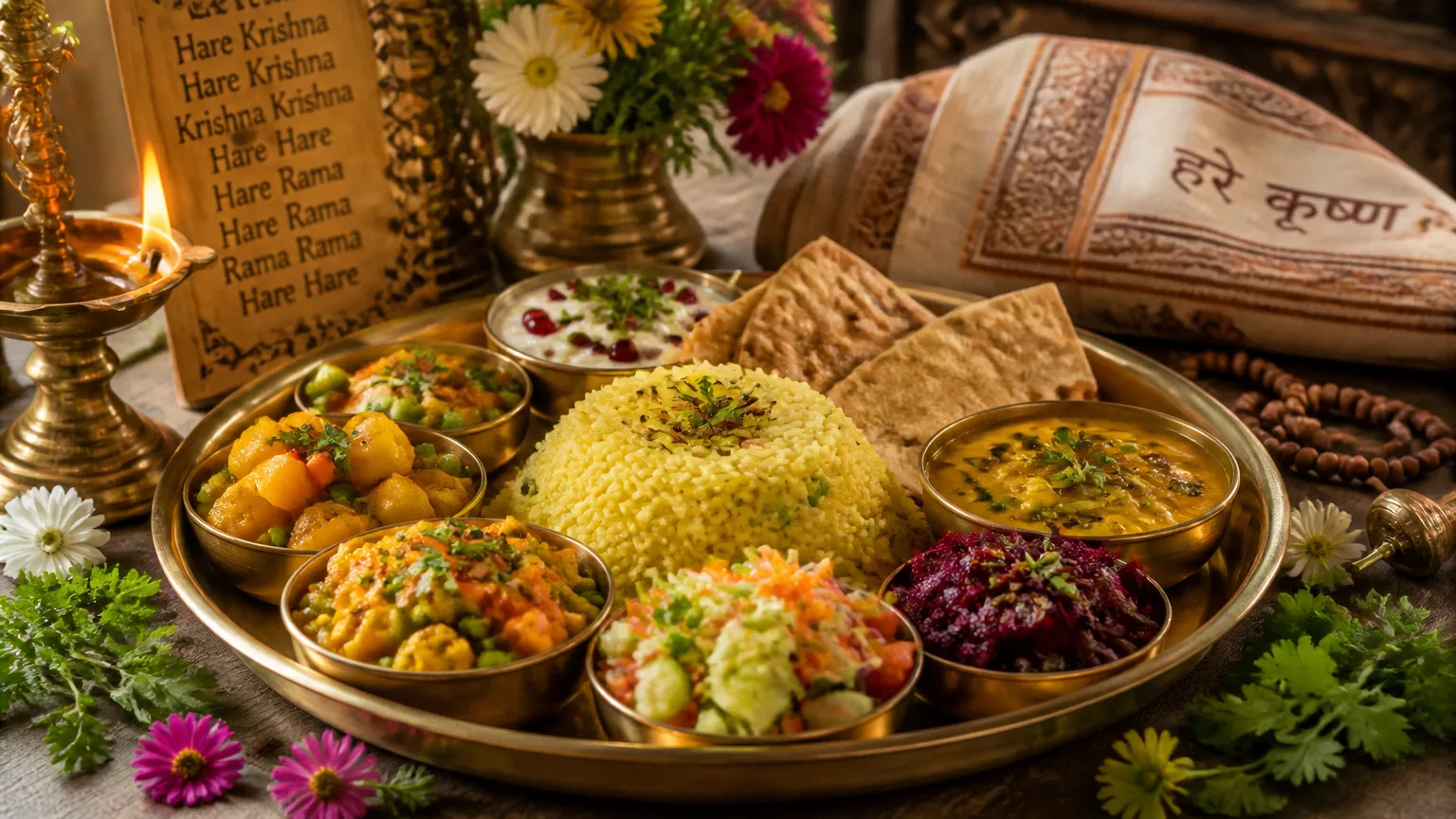
In the world of Hare Krishna vegan recipes, the act of cooking transcends mere nourishment; it becomes a spiritual practice. Rooted in the principles of compassion and respect for all living beings, vegetarianism holds a significant place in the Hare Krishna tradition. This culinary approach encourages devotees to prepare and share meals that not only satisfy hunger but also honor the divine.
Cooking within this framework fosters joy and connection among family and friends. Sharing food that is lovingly prepared and offered to Krishna creates a sacred atmosphere, enhancing communal bonds. Each dish becomes a conduit for love, devotion, and spiritual fulfillment.
In this article, we will explore eight flavorful vegan recipes that align with the dietary preferences of devotees. These dishes not only celebrate the essence of the Hare Krishna lifestyle but also highlight the vibrant flavors and textures that plant-based ingredients can offer. Join us on this spiritual culinary journey as we delve into recipes that nourish both body and soul.
1. Savory Vegetable Curry
Savory Vegetable Curry is a cornerstone of Hare Krishna vegan recipes, celebrating the abundance of seasonal produce. This dish features a delightful combination of vegetables, such as carrots, bell peppers, and zucchini, simmered with aromatic spices.
Key spices like cumin, coriander, and turmeric not only enhance flavor but also offer numerous health benefits. Cumin aids digestion, coriander has anti-inflammatory properties, and turmeric is known for its antioxidant effects.
For a complete meal, pair this curry with fluffy rice or warm roti. Sharing this dish embodies the spirit of abundance and community in Krishna consciousness, making it ideal for gatherings and celebrations. Enjoy the warmth of this flavorful curry as you nourish both body and soul.
2. Krishna’s Delight: Palak Paneer
Krishna’s Delight, or Palak Paneer, is a vibrant dish that showcases hearty spinach and a dairy-free alternative to traditional paneer. In vegan preparations, tofu serves as an excellent substitute, providing a similar texture and protein content. This swap not only aligns with vegan principles but also enhances the dish’s nutritional profile.
Spinach, the star ingredient, is packed with vitamins A, C, and K, along with iron and antioxidants. These nutrients contribute to vitality and overall well-being, embodying the spirit of nourishment in Hare Krishna vegan recipes.
Presentation is key in devotional offerings, and Palak Paneer shines beautifully on the plate. Its rich green hue can be accented with a sprinkle of spices or a garnish of fresh herbs, making it visually appealing. This attention to detail enhances the meal experience, fostering a sense of devotion and gratitude during shared meals.
For a complete dining experience, serve this delightful curry alongside fluffy rice or warm roti, inviting a communal atmosphere that reflects the essence of Krishna consciousness.
3. Tempting Tomato Chutney
Tomato chutney is a staple in Indian cuisine, celebrated for its versatility and vibrant flavors. This spicy and tangy chutney not only complements various dishes but also embodies the diverse tastes that Krishna enjoys. Traditionally served with rice, roti, or even as a dip, it enhances meals and brings people together.
To adjust the spice levels, consider adding more or fewer green chilies according to your taste. For a milder version, you can remove the seeds from the chilies or use sweet tomatoes as a base. Experimenting with different herbs, such as cilantro or mint, can also elevate the chutney’s freshness.
Chutneys like this one represent the rich tapestry of flavors present in Hare Krishna vegan recipes. They highlight the importance of variety in meals, inviting everyone to partake in the culinary experience that nourishes both body and spirit.
4. Hearty Lentil Soup
Hearty lentil soup serves as a cornerstone in many vegetarian diets, especially within the Hare Krishna community. Lentils are rich in protein, fiber, and essential nutrients, making them a vital component for spiritual and physical nourishment. Their simplicity reflects the values of contentment and mindfulness in spiritual living.
To enhance the flavor and health benefits of the soup, consider adding fresh herbs like cilantro or parsley. These herbs not only elevate the taste but also provide antioxidants that support overall well-being. A sprinkle of lime juice can add a refreshing zest, inviting a deeper connection to the ingredients.
This soup embodies the spirit of sharing and community often celebrated in Krishna consciousness. Its warm, inviting nature encourages gathering and connection, making it a perfect dish for family meals or communal feasts. Enjoy this nourishing soup as a means to foster both physical health and spiritual fulfillment.
5. Delicious Samosas
Samosas are a beloved snack in many cultures, particularly within the Hare Krishna community. These crispy pastries are traditionally filled with spiced potatoes and peas, creating a delightful treat during celebrations and gatherings. Their cultural significance lies in their role as a symbol of hospitality and joy, often served during festive offerings.
To make vegan pastry dough, combine flour, a pinch of salt, and oil, then gradually add water until a smooth consistency forms. Roll out the dough and cut it into circles. Fill each circle with the spiced potato and pea mixture, then fold and seal the edges.
When frying, ensure the oil is hot enough to create a crispy exterior without absorbing excess oil. Fry the samosas until golden brown, and serve them with tangy chutneys for an extra flavor boost. These pastries not only satisfy the palate but also embody the spirit of sharing and community, making them perfect for family meals or communal feasts.
6. Fluffy Quinoa Pulao
Fluffy Quinoa Pulao is a delightful dish that combines quinoa, a revered superfood, with an array of fresh vegetables and aromatic spices. Quinoa holds a sacred status in many cultures due to its nutritional density and versatility, making it an ideal choice for health-conscious devotees. This ancient grain is not only high in protein but also rich in essential amino acids, contributing to both physical well-being and spiritual nourishment.
For an enhanced dining experience, consider pairing the pulao with a side of cooling raita. This yogurt-based condiment adds a refreshing contrast, balancing the pulao’s warm spices and elevating the meal’s overall flavor profile. The combination exemplifies the Hare Krishna philosophy of harmony in food, where every element complements the others.
Innovative recipes like Fluffy Quinoa Pulao can deepen one’s appreciation for devotional meals. By exploring plant-based ingredients, devotees can discover new ways to celebrate their faith through food. This dish not only nourishes the body but also encourages mindfulness and gratitude, essential components of the Hare Krishna lifestyle.
7. Sweet Coconut Ladoo
Sweet Coconut Ladoo is a cherished Indian treat made with just a few simple ingredients: grated coconut, jaggery, and a hint of cardamom. This delightful sweet is often offered to Krishna during festivals, symbolizing devotion and gratitude.
The preparation is straightforward, making it accessible for all skill levels. Combine the grated coconut and jaggery over low heat, stirring until they meld into a cohesive mixture. Once cooled, shape them into small balls, allowing the flavors to shine through.
Variations can enhance the taste further. For instance, adding nuts like cashews or almonds introduces a delightful crunch, while a splash of vanilla can elevate the aroma. These ladoos embody the spirit of sharing, making them perfect for communal gatherings or festive celebrations. As you indulge in this sweet treat, it becomes more than just a dessert; it’s a celebration of love and devotion within the Hare Krishna tradition.
8. Refreshing Herbal Tea
This invigorating herbal tea serves as a delightful addition to your daily routine. Infused with aromatic spices and health-promoting herbs like tulsi and ginger, it not only soothes the senses but also enhances wellness. Tulsi, known for its stress-relieving properties, and ginger, renowned for its digestive benefits, make this tea a nourishing option.
Consider brewing this tea as a daily ritual or offering, allowing its calming effects to enhance your spiritual practice. Sipping on this herbal infusion can foster mindfulness and tranquility, aligning with the principles of Krishna consciousness.
For more diverse recipes that celebrate the Hare Krishna lifestyle, explore the 5 Nourishing Hare Krishna Food Recipes for Your Kitchen. Embrace this refreshing herbal tea to nurture both body and soul.
Embracing Spiritual Nourishment
The Hare Krishna tradition beautifully intertwines food, love, and spirituality. Each meal becomes an act of devotion, fostering a deeper connection with the divine. By preparing and sharing these Hare Krishna vegan recipes, you not only nourish your body but also uplift your spirit and cultivate a sense of community.
Consider sharing these dishes with friends and family to enhance togetherness. The act of cooking and enjoying meals together embodies the spirit of abundance celebrated in Krishna consciousness.
As you experiment with these recipes, feel free to explore variations that suit your tastes. Discover more divine culinary offerings in Krishna Recipes: 5 Divine Offerings for Spiritual Enjoyment. Embrace this journey of spiritual nourishment and let each meal deepen your practice.