
If you searched for “mr food recipe today,” you likely want a simple, reliable meal you can prepare without stress. This original recipe is not an official Mr. Food publication, but it follows the same practical spirit: wholesome ingredients, clear steps, and comforting flavor.
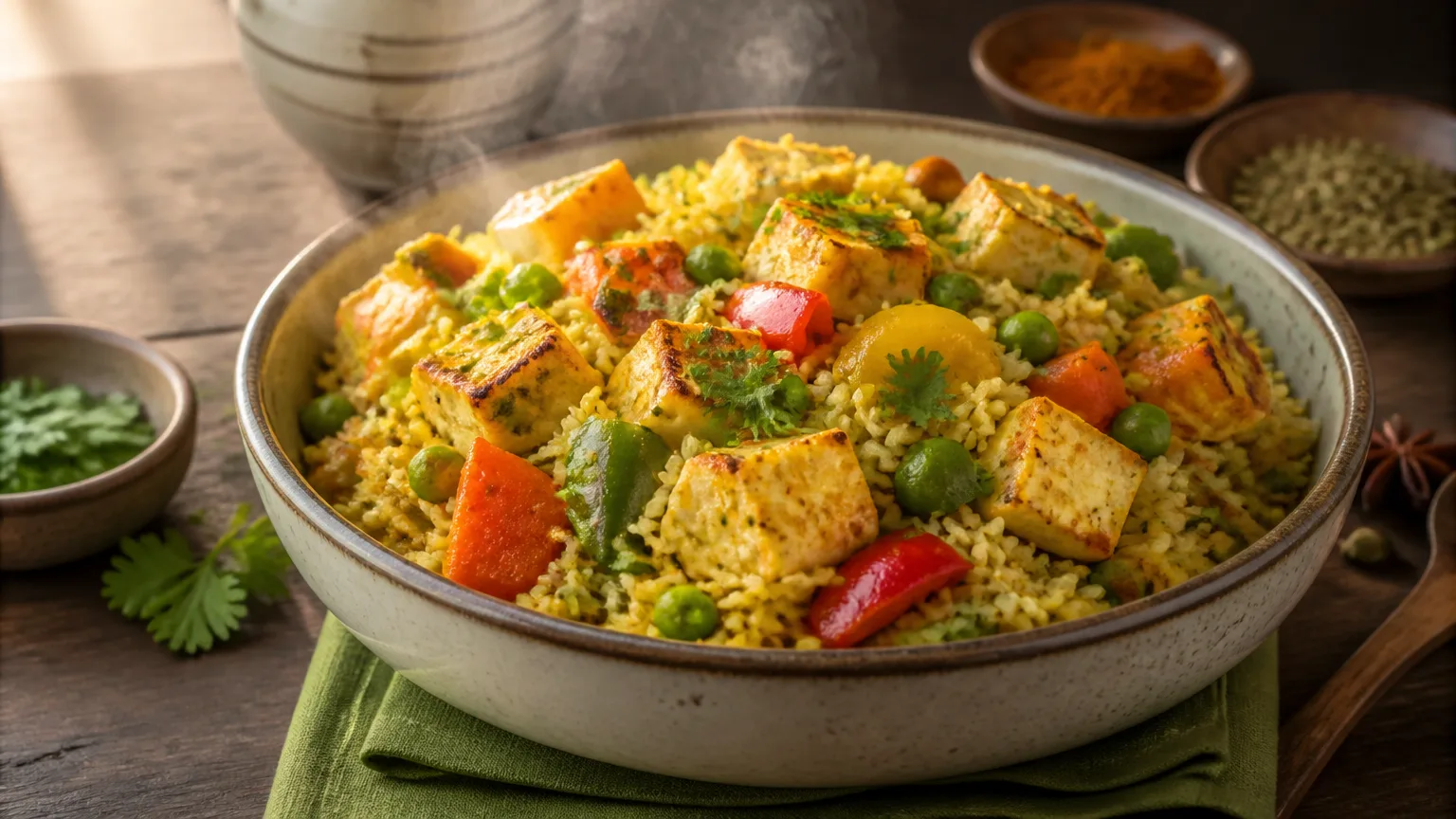
Today’s dish brings together colorful vegetables, tender paneer, and fragrant rice in a satisfying bowl or one-pot meal. It suits a family lunch, a light dinner, or a thoughtfully prepared prasadam offering. Mild spices and fresh ingredients make it approachable, while the balanced combination provides warmth and nourishment.
Cooking can also become a mindful spiritual practice. In devotional and sattvic cooking, the cook gives attention to cleanliness, intention, and gratitude rather than preparing food mechanically. Those seeking deeper guidance can explore the principles behind satvik food recipes in the ISKCON tradition. As you prepare this meal, focus on each step—from washing the rice to arranging the vegetables. The result is more than an easy vegetarian recipe; it is a peaceful dish made to support everyday well-being and devotion.
Why This Easy Vegetarian Recipe Fits a Sattvic Kitchen
A sattvic kitchen centers on fresh, balanced, and wholesome food prepared with a peaceful attitude. Practices vary among vegetarian households, but many people choose simple ingredients that support mindful eating and daily well-being.
This easy vegetarian recipe follows that approach with colorful vegetables, fragrant rice, paneer or another suitable protein, fresh herbs, and gentle spices. The flavors remain warm and satisfying without relying on heavy sauces, overly processed ingredients, or excessive heat.
For readers searching for an mr food recipe today, this dish offers a practical option for a nourishing lunch or dinner. It is also flexible enough for busy kitchens. You can use seasonal vegetables, replace paneer with chickpeas or tofu, and adjust the spices to suit your household.
Many Hare Krishna and ISKCON kitchens follow a traditional devotional standard that avoids onion and garlic. This recipe works well without them because ginger, cumin, coriander, turmeric, fresh cilantro, and a small amount of asafoetida can create depth.
If you do use onion and garlic, add finely chopped onion with the vegetables and sauté minced garlic briefly before adding the rice. This simple substitution preserves the dish’s savory character while respecting different cooking traditions.
The preparation itself can become a mindful practice. Wash the rice carefully, cut the vegetables evenly, and cook each ingredient with attention rather than rushing through the process. For more ideas, explore these ISKCON recipes for a spiritual kitchen.
When the meal is ready, you may offer it with gratitude or prepare it as prasadam according to your own tradition and practice. This approach keeps the recipe welcoming, personal, and connected to devotional living without imposing one rigid standard.
Ingredients for the One-Pot Vegetarian Rice and Vegetable Meal
This one-pot meal uses simple ingredients that create a balanced mix of grains, vegetables, protein, and healthy fat. It is a practical choice when searching for a mr food recipe today that feels nourishing, flexible, and easy to prepare.
Core Ingredients
- 1 cup basmati rice: Provides a light, fragrant base. Rinse it until the water runs mostly clear.
- 2 cups mixed seasonal vegetables: Use carrots, peas, cauliflower, or green beans. Fresh or frozen vegetables both work well.
- 1 cup paneer, cubed: Adds mild flavor and protein while holding its shape during cooking.
- 1 tablespoon ghee or neutral oil: Ghee adds richness, while sunflower or avocado oil provides a dairy-free option.
- 2 cups water or vegetable stock: Stock adds flavor, but water keeps the dish lighter.
- ¼ cup fresh cilantro: Stir it in at the end for color and a fresh finish.
Gentle Spice Blend
Use 1 teaspoon cumin seeds, ½ teaspoon turmeric, 1 teaspoon ground coriander, 1 teaspoon grated ginger, and ¼ teaspoon black pepper. Add a small pinch of asafoetida if desired. It provides savory depth, but it is optional and may be omitted for a simpler flavor.
Adjust the vegetables according to the season. Add more cauliflower for body, extra peas for sweetness, or green beans for texture. If paneer is unavailable, use firm tofu. Press it first, then cube and lightly brown it for a similar hearty bite.
Dietary and Pantry Substitutions
For a gluten-free meal, the basic recipe already fits most needs. You can also replace basmati rice with quinoa, adjusting the liquid according to the package directions. Additional cooked legumes may replace some paneer, although chickpeas or lentils can make the texture denser.
Those observing Ekadashi should not assume that the standard rice version is suitable. Depending on personal and lineage-based rules, use potatoes, buckwheat, or other tradition-approved ingredients instead. For more guidance, explore these Ekadashi food ideas for devotee fasting.
How to Make the Vegetarian Recipe Step by Step
Start by rinsing the rice under cool water until the water runs mostly clear. Soak it for 10–15 minutes, then drain well. While the rice soaks, wash and cut the vegetables into similar-sized pieces, such as small cubes or thin slices. Even pieces cook at the same rate and help create a balanced texture.
Warm ghee or oil in a heavy pot over medium heat. Add cumin seeds and the remaining spices, such as turmeric, coriander, or a small cinnamon stick. Cook for 20–30 seconds, until fragrant. Keep the heat moderate so the spices bloom without turning bitter.
Add grated ginger and stir briefly. Then add the prepared vegetables and a pinch of salt. Sauté for three to five minutes, stirring often, until the vegetables look lightly coated and smell fragrant. They do not need to cook through at this stage.
Add the drained rice and fold it gently into the vegetables. Pour in the measured water or vegetable stock, then bring the mixture to a gentle boil. Stir once, reduce the heat to low, and cover the pot with a tight-fitting lid.
Simmer for about 15–18 minutes, or until the rice is tender and the liquid has been absorbed. Avoid lifting the lid often, because escaping steam can leave the grains undercooked. The vegetables should remain tender but retain some shape.
Remove the pot from the heat and let it rest, covered, for five minutes. Fluff the rice gently with a fork. For a golden exterior, sear paneer cubes separately in a lightly oiled skillet until browned on several sides. Fold the paneer into the finished rice with chopped cilantro and a final squeeze of lemon.
Troubleshooting the Rice and Vegetables
Use these simple adjustments if the texture or flavor needs correction:
- Watery rice: Remove the lid and cook over low heat for several minutes. If needed, drain a small amount of excess liquid.
- Undercooked vegetables: Add two tablespoons of water, cover, and steam for five minutes.
- Overly soft grains: Stop cooking immediately and spread the rice on a wide plate to release steam.
- Mild flavor: Add salt, lemon juice, or a small pinch of spice after cooking.
- Too much heat: Stir in extra rice, paneer, or vegetables to balance the seasoning.
This reliable method works well for a search such as “mr food recipe today” when you want a simple vegetarian meal with clear, manageable steps.
Serving, Offering, and Adapting the Dish for Different Households
Serve the finished dish warm in shallow bowls or on individual plates. Garnish with fresh herbs, lemon wedges, or a few toasted seeds for color and texture. Plain yogurt, cucumber raita, coconut chutney, fresh fruit, or a simple green salad can complete the meal. Choose accompaniments that suit your dietary needs and devotional practices.
For a household meal, season each portion according to preference. You might add lemon juice, extra herbs, or a little spice at the table. If you plan to offer part of the dish, set it aside before tasting and follow the guidance of your teacher, temple, or family tradition regarding ingredients, seasoning, serving dishes, and prayer.
Store leftovers in an airtight container and refrigerate them within two hours. They will generally keep for up to three days. For packed lunches, divide the food into individual containers after it cools, then refrigerate promptly.
Reheat one serving in the microwave or on the stovetop with a tablespoon of water. Stir occasionally until the center is steaming hot. Add fresh yogurt, chutney, or salad after reheating rather than storing these accompaniments with the main dish.
You can adapt this recipe for different vegetarian households without changing its basic method:
- Vegan: Replace ghee with neutral oil or coconut oil. Omit paneer or use firm tofu.
- Higher protein: Add browned tofu, chickpeas, or suitable lentils.
- Milder: Reduce chilies and use extra vegetables.
- Richer: Stir in paneer or serve with yogurt.
This flexibility makes the dish useful for everyday meal planning. Compared with lighter vegetable plates or legume-based meals, it offers a balanced combination of grains, vegetables, and optional protein. That versatility also makes it a practical choice when searching for “mr food recipe today” and planning meals for several household preferences.
Common Questions About This Easy Vegetarian Recipe
Can I make it ahead? Yes. Prepare the vegetables and spices in advance, then reheat gently with a splash of water. For a large group, cook the rice separately for maximum control over texture.
Which vegetables work best? Nearly any firm seasonal vegetable works, including carrots, peas, cauliflower, beans, and potatoes. Use watery vegetables, such as zucchini, sparingly to help prevent soggy rice.
How do I avoid onion and garlic? Build depth with ginger, cumin, asafoetida, herbs, lemon, and properly toasted spices. Devotional cooking also emphasizes intention, cleanliness, gratitude, and consistency—not only the ingredient list.
Can I adjust the heat? Reduce chilies for a mild dish, or add them gradually. For broader spiritual-kitchen inspiration, explore a collection of ISKCON recipes.
A Daily Vegetarian Recipe for Nourishment and Devotion
This one-pot meal suits busy cooks with familiar ingredients, adaptable vegetables, and satisfying protein. It offers a practical answer when searching for “mr food recipe today” while supporting a steady vegetarian routine.
Prepare it mindfully, using seasonal produce and adjusting the spices to your household. You may offer and serve it according to your Hare Krishna, ISKCON, or personal spiritual practice. When prepared attentively and shared generously, even a simple meal becomes an act of care and devotion.