
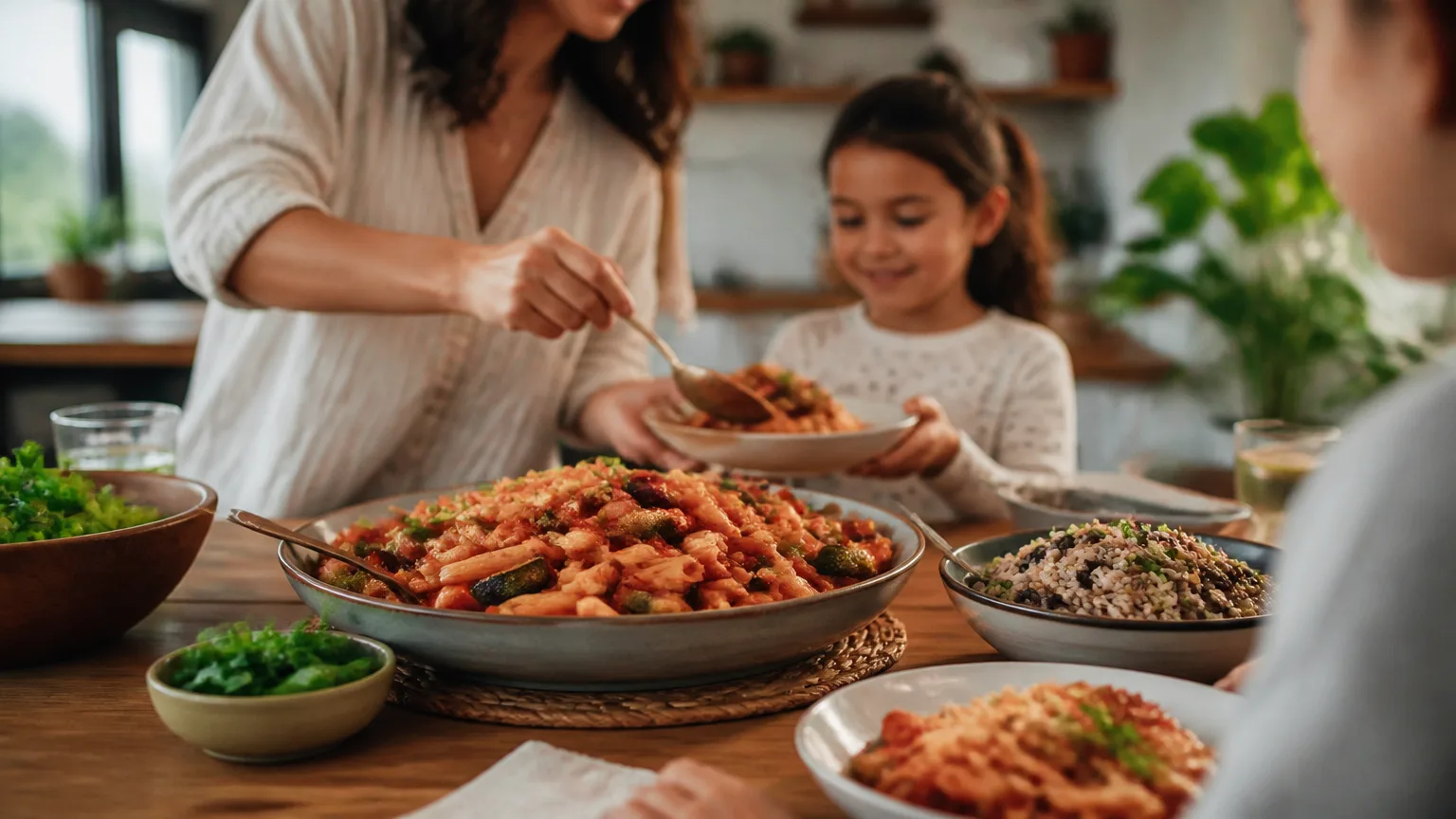
Finding dinner that satisfies children, fits a busy schedule, and respects family values can take planning. Searches for kidspot recipes dinner often reflect a practical need: reliable meal inspiration that can be adapted to the ingredients, tastes, and routines of a particular household.
Vegetarian dinners do not need to feel complicated or unfamiliar. A mild vegetable curry with rice, a build-your-own bean wrap, or pasta with a simple tomato sauce can offer comforting flavors and room to adjust. Families can make meals more child-friendly by keeping spices gentle, serving toppings separately, or including a familiar side.
This guide uses the spirit of Kidspot-style recipe inspiration without suggesting that every idea is an existing Kidspot recipe. It focuses on flexible meals for real family schedules, from quick weeknight dinners to dishes that invite children to help. You will also find ways to swap ingredients—for example, using chickpeas instead of paneer or choosing a plant-based alternative where it suits your household.
For some families, cooking also supports a spiritual practice. That may include offering food before eating, while other households follow different traditions or none at all. The ideas here make space for a devotional perspective without prescribing one way to cook or serve a meal. For more vegetarian inspiration, explore Hare Krishna Recipes and adapt ideas to your family’s needs.
What Makes a Vegetarian Family Dinner Work?
A satisfying vegetarian dinner does not need a complicated recipe or separate meals for adults and children. Start with a few reliable building blocks: vegetables, a filling staple, and a source of protein. Together, they make a meal more nourishing and help everyone leave the table feeling satisfied.
For example, serve roasted vegetables with rice and lentils, or pair pasta with tomato sauce, grated cheese, and a side of peas. Tofu, beans, yoghurt, eggs, and nuts can also add protein, depending on your family’s preferences and dietary needs. A meal built this way is easy to adapt when ingredients or schedules change.
Flavor flexibility can make dinner easier for children and adults alike. Keep seasonings mild in the main dish, then offer extras such as chilli oil, fresh herbs, lemon, or grated cheese at the table. You can also serve components separately: place rice, vegetables, and beans in separate bowls so children can choose what goes on their plates.
This approach gives children a sense of choice without requiring a second meal. If a child prefers plain rice and cucumber, for instance, they can start there while the family shares the same ingredients. Over time, small tastes of new foods can become familiar without turning dinner into a negotiation.
A practical meal plan can also leave room for mindful preparation. Some households pause to offer food before eating; others follow different customs or none at all. Hare Krishna practitioners may observe additional ingredient guidelines, so check what is appropriate for your tradition and household rather than assuming every vegetarian recipe fits.
If you are exploring devotional cooking, choosing a vegetarian cookbook for bhakti cooking can help you find recipes and guidance that suit your practice. You can then adapt family dinners around those principles, available ingredients, and the ages of the people at your table.
When searching for kidspot recipes dinner ideas, look for meals that are simple to customize and easy to prepare with familiar ingredients. A flexible base—such as potatoes, grains, or pasta—can support different toppings and flavors without adding much work. Keep a few dependable options on hand, and dinner becomes easier to plan, share, and enjoy.
Comforting One-Pot and Tray-Bake Dinners
One-pot meals and tray-bakes make it easier to turn familiar ingredients into a filling vegetarian dinner. They bring vegetables, grains, beans, and seasoning together while keeping washing-up manageable. A flexible base also lets family members adjust their plates without preparing separate meals.
For a vegetable-and-lentil curry, simmer lentils with diced vegetables, tomatoes or coconut milk, and a mild curry blend. Serve it with rice, then offer chilli flakes, fresh herbs, or yoghurt at the table. Use vegetables already in the fridge, such as carrots, pumpkin, spinach, or cauliflower.
Chickpea tomato stew is another adaptable option. Combine chickpeas, canned tomatoes, onion, and vegetables such as zucchini or capsicum in one pot; add paprika, cumin, or dried herbs to suit your family. Serve with bread, rice, or couscous, and let everyone choose toppings like grated cheese, chopped parsley, or a spoonful of yoghurt.
Baked pasta can use the same practical approach. Stir cooked pasta together with tomato sauce, chopped vegetables, and beans, then top with cheese and bake until bubbling. Small pieces of mushroom, spinach, or grated carrot blend easily into the sauce, while a crunchy topping can add contrast for children who prefer more texture.
For a tray-bake, roast a mix of vegetables such as potatoes, carrots, broccoli, and red onion with oil and herbs. Serve them with cooked grains, such as rice or couscous, or warm flatbread. Add chickpeas to the tray for more substance, or provide hummus and yoghurt on the side. Cut vegetables into different sizes to suit the cooking time, and check that softer items do not overcook.
Keep the main dish mild, then place stronger flavours and varied textures on the table. Older children can add chilli or pepper, while younger diners may prefer plain grains, soft vegetables, or a familiar topping. This approach gives everyone choice without adding another meal to the cooking plan.
When looking for kidspot recipes dinner inspiration, use the recipe as a starting point and swap in vegetables, beans, or grains you have available. If your household follows specific devotional food standards, check packaged ingredients and seasoning blends before cooking. Some products may contain ingredients that do not meet your family’s requirements, so choosing suitable alternatives early can make dinner planning smoother.
Pasta, Bakes, and Casserole-Style Family Favorites
Baked pasta and casseroles offer the comfort of a familiar family dinner, with simple ways to leave out meat or fish. Use a flexible recipe as a starting point, then add vegetables, beans, or lentils to make the meal satisfying. These ideas can also help when adapting kidspot recipes dinner favorites to suit a vegetarian table.
Build a hearty pasta bake
For a spinach-and-ricotta pasta bake, mix cooked pasta with wilted spinach, ricotta, tomato sauce, and a little grated cheese. Add chopped mushrooms or white beans for more texture and substance. Assemble it ahead, cover, and refrigerate until dinner; add a few extra minutes to the baking time if it goes into the oven cold.
Vegetable lasagna is another adaptable option. Layer pasta sheets with tomato sauce, roasted vegetables, and ricotta or a dairy-free alternative. Courgette, eggplant, capsicum, and spinach all work well. Cook watery vegetables first, or drain them thoroughly, to help prevent a soggy bake.
Make casseroles work for your family
A creamy potato casserole can become a complete dinner with lentils, mushrooms, or finely chopped vegetables folded into the sauce. For a lighter version, try cauliflower florets with a creamy topping and a crisp breadcrumb finish. Frozen vegetables can save preparation time, but thaw and drain them first to limit excess moisture.
Dairy-free families can use plant-based milk, dairy-free cheese, or a blended cashew sauce where appropriate. Check labels, since products vary in taste and ingredients. If your household follows specific food standards, review sauces, stock, and seasoning blends before assembling the dish.
Swap ingredients with care
Vegetarian casserole adaptations can offer a useful starting point for replacing meat or fish with plant-based ingredients. Instead of treating a familiar dish as automatically suitable, consider what it contains and choose a replacement that fits your family’s needs. Lentils work well in tomato-based bakes, while beans add richness to creamy dishes. Mushrooms can bring a savory, substantial texture.
For a practical example, explore vegetarian alternatives to tuna casserole. You can use that same approach with other family favorites: keep the familiar sauce or format, then select vegetables or plant proteins that suit your household.
For easier weeknight cooking, prepare components in advance. Cook pasta, roast vegetables, or make the sauce earlier, then assemble and bake near dinner time. Serve with salad, steamed vegetables, or bread, and let family members add toppings at the table.
Wraps, Bowls, and Build-Your-Own Dinners
A shared spread of fillings can turn dinner into an easy, interactive meal. Burritos, wraps, and grain bowls all use familiar ingredients, while each person chooses what goes on their plate. This format also works well when children prefer to keep foods separate.
Start with one or two bases, such as rice, quinoa, or tortillas, then add a few fillings. Beans provide protein and make a satisfying option for burritos or bowls. Roasted vegetables, shredded lettuce, sliced cucumber, and grated carrot add color and different textures.
Keep the ingredients in separate bowls or containers so everyone can assemble a meal to suit their preferences. Offer mild salsa, yogurt, grated cheese, or avocado as toppings, and place hot sauce on the side. If a family member avoids dairy, include a suitable non-dairy alternative rather than preparing an entirely separate dinner.
A simple plan helps prevent build-your-own meals from becoming a complicated multi-meal project. Choose a base, one or two proteins, and a small selection of vegetables and toppings. For example, rice, black beans, roasted peppers, lettuce, salsa, and cheese can serve as burrito fillings or as a grain-bowl spread.
Prepare components ahead when it fits your schedule. Cook rice, roast vegetables, wash salad greens, and portion toppings in advance, then refrigerate them separately. At dinner, warm the rice and beans, set out the cold ingredients, and let everyone assemble a plate. This approach can make kidspot recipes dinner searches more useful: look for adaptable ideas that work with ingredients your household already enjoys.
Freezer-friendly fillings can also help on busy evenings. Cooked beans, lentils, or seasoned vegetable mixtures can be portioned and frozen for later use. Label containers with the contents and date, and thaw food safely in the refrigerator or using a safe microwave method.
Follow safe food-handling practices when preparing meals ahead. Cool cooked food promptly, store it in covered containers in the refrigerator or freezer, and avoid leaving perishable ingredients at room temperature for extended periods. Reheat cooked fillings thoroughly before serving, and only reheat the amount you plan to use. Keep chilled toppings cold until dinner, especially in warm weather.
With a few prepared components, one meal can suit different appetites without extra cooking. A child might choose a plain tortilla with beans and cheese, while another family member adds vegetables and salsa. The shared ingredients keep preparation manageable, and the choices make dinner feel personal.
Global Flavors for More Adventurous Family Meals
Once your family has a few reliable dinner formats, familiar ingredients can introduce new flavors. Try a bean-based Brazilian-inspired stew, a vegetable-forward Portuguese plate, or a mild curry served with rice. These meals can expand your weeknight menu while keeping beans, vegetables, and grains at the center.
For a Brazilian-inspired dinner, simmer black beans with onion, garlic, and vegetables, then serve them with rice and greens. Keep chili or hot sauce on the side so each person can choose their preferred heat level. Children can start with gentle flavors, while adults add more spice at the table.
Portuguese cooking offers ideas for vegetable-rich meals, from dishes built around beans and greens to plates featuring potatoes and seasonal produce. Explore these vegetarian Portuguese dishes for inspiration, then choose a recipe that suits your family’s ingredients and cooking time. A simple side of bread or salad can make the meal feel complete.
As you explore a cuisine, take time to learn about a dish’s history and place in everyday life. Its ingredients and methods may reflect local traditions, available produce, and family customs. If you simplify a dish for a busy evening—for example, by swapping an ingredient or reducing the spice—describe it as an inspired adaptation, not an exact traditional recipe.
This distinction helps children understand that food carries stories as well as flavor. You might tell them which ingredients are common in the region or explain why a dish is usually served with rice, bread, or vegetables. Sharing this context can make a new dinner more engaging without turning the meal into a lesson.
Use a flexible plan to make global flavors approachable:
Start with a familiar base, such as rice, potatoes, flatbread, or pasta, to make an unfamiliar sauce easier to try.
Cook with mild seasoning, then offer chili, pepper, or a spicy condiment separately.
Serve vegetables, beans, and toppings in separate bowls so family members can choose what to add without requiring a second meal.
If your household follows devotional food standards, review packaged seasonings and substitutes before cooking.
Families who follow devotional practices may adapt ingredients or preparation methods to meet their own standards. They can preserve the spirit of a dish through thoughtful seasoning, generous portions, and the intention to share a welcoming meal. When searching for kidspot recipes dinner inspiration, look for adaptable dishes and make clear, respectful changes for your household.
Cooking and Sharing Dinner with a Devotional Mindset
A shared vegetarian dinner can carry meaning beyond what is on the plate. In some Hare Krishna households, devotees bring mindfulness, gratitude, and service into preparing and offering food. Practices differ between families, so follow guidance from your own community rather than assuming every vegetarian household observes the same traditions.
Mindful preparation can begin with practical choices: washing vegetables carefully, cooking with attention, and setting aside time to prepare food without rushing. Some devotees also offer food before eating, according to their tradition. If you are unsure about ingredients or offering practices, ask a trusted community leader for guidance.
An intention to serve can also shape how dinner feels for everyone at the table. A simple meal of rice, vegetables, and lentils can become an opportunity to welcome children, guests, and relatives with different food preferences. Offer familiar options and let people choose their portions or add-ons, such as yogurt, chutney, or mild seasoning.
Hospitality does not require every person to eat in the same way. If a guest has an allergy, dietary restriction, or strong preference, ask before planning the meal and label dishes when helpful. For example, serving toppings separately can make a shared grain bowl easier to adapt without preparing a second dinner.
Spiritual significance and practical care can sit side by side. Build meals around a mix of vegetables, grains, and suitable protein sources, and consult a qualified health professional for individual dietary needs. Devotional practices can guide a household’s approach to food, but they do not replace medical or nutrition advice.
Food safety matters too, especially when preparing meals for children or a larger group. Wash produce, keep raw and cooked foods separate, and refrigerate leftovers promptly. If you are preparing a dish in advance, cool and store it safely, then reheat it thoroughly before serving.
When adapting kidspot recipes dinner ideas, choose dishes that suit your household’s ingredients and practices. A vegetable curry, pasta bake, or tray of roasted vegetables can be prepared with care, served generously, and adjusted for different tastes. The goal is a meal that feels welcoming while respecting each family’s values and needs.
Frequently Asked Questions
How can I make vegetarian dinners filling for children?
Offer a mix of foods, such as grains or potatoes, vegetables, and a protein source like beans, lentils, tofu, eggs, or dairy, if suitable for your family. Children’s appetites and needs vary, so serve age-appropriate portions and let them ask for more. A pasta bake with lentils, for example, can be filling while still allowing children to choose how much they eat.
Can I adapt recipes for devotional dietary practices?
Yes. Hare Krishna dietary practices vary by person and community, including guidance on ingredients and food offerings. Check your household’s own guidance rather than assuming one standard applies to everyone. When browsing kidspot recipes dinner ideas, review ingredient labels and adjust seasonings or packaged products as needed.
What if our family avoids certain ingredients?
Swap ingredients based on the recipe’s role. Use beans or lentils in place of meat, or choose a suitable alternative when a recipe calls for dairy, eggs, onion, or garlic. Check labels on sauces and seasoning blends, and choose replacements that meet your household’s needs.
How can I prepare vegetarian dinners ahead?
Batch-cook useful components, such as rice, beans, roasted vegetables, or sauce, then combine them on a busy evening. Refrigerate cooked food promptly in covered containers and use it within a safe timeframe; freeze portions you will not need soon. Reheat leftovers thoroughly before serving.
Make Vegetarian Dinner a Shared Family Practice
Vegetarian dinners can be quick and varied, from filling bowls and wraps to comforting bakes and globally inspired meals. Choose an adaptable idea that works with the ingredients, time, and food practices your household has.
Invite family members to help select vegetables, prepare toppings, or season the meal. A shared base, such as rice, pasta, or tortillas, makes it easy to serve different preferences without cooking separate dinners. Let the next meal be a practical, welcoming choice that reflects your family’s values and needs.