
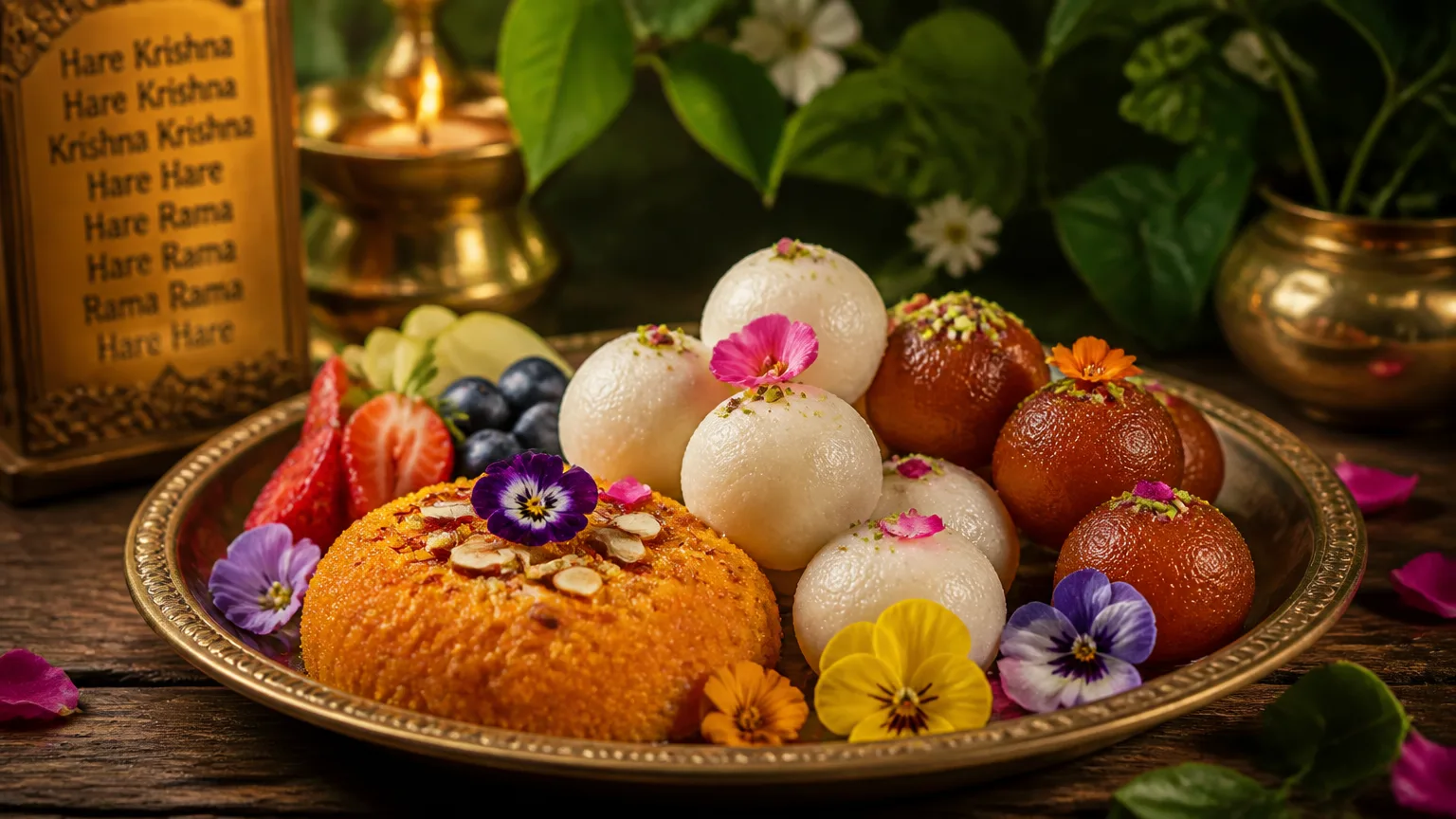
Hare Krishna desserts hold a special place in the hearts of devotees, blending spirituality with culinary artistry. In the Hare Krishna tradition, food is not merely sustenance; it is an offering that nourishes both the body and soul. These desserts, often infused with love and devotion, are prepared using natural ingredients, ensuring they are both wholesome and delightful.
The essence of vegetarian cooking within this tradition emphasizes purity and simplicity. Ingredients such as fruits, nuts, and dairy are carefully chosen, aligning with the spiritual principles of the movement. This approach not only enhances flavors but also elevates the act of eating to a sacred experience.
As we explore these 10 irresistible Hare Krishna desserts, prepare to delight your senses and elevate your spirit. Each recipe reflects the tradition’s commitment to serving food that brings joy while honoring divine principles. For a deeper understanding of the significance of food in this context, consider reading more in Unveiling the Culinary Monster: Embrace Its Spiritual Essence. Join us on this sweet journey that promises to enchant your palate and uplift your soul.
1. Sweet Rice
Sweet Rice, or “Mukhwas,” is a cherished Hare Krishna dessert often prepared during festivals. This dish combines rice with sugar, cardamom, and dried fruits, symbolizing the sweetness of devotion. The ingredients, such as basmati rice and ghee, not only enhance the flavor but also carry spiritual significance, representing purity and devotion.
Ingredients
- 1 cup basmati rice
- 2 cups water
- ½ cup sugar
- ¼ cup ghee (clarified butter)
- 1 teaspoon cardamom powder
- Dried fruits (raisins, cashews, or almonds)
- Select Fresh Fruits: Choose seasonal fruits for enhanced flavor and nutrition.
- Add Spices: Sprinkle a mix of chaat masala, black salt, and lemon juice to elevate the taste.
- Chill: Refrigerate for a short time to serve it cool and refreshing.
Recipe Steps
1. Rinse the Rice: Begin by rinsing the basmati rice in water to purify it, both physically and spiritually.
2. Cook the Rice: In a pot, combine the rinsed rice with water, bring to a boil, and simmer until tender.
3. Add Ghee: In a separate pan, heat ghee and add the cooked rice.
4. Incorporate Sugar and Spices: Mix in sugar and cardamom, stirring gently while offering prayers of gratitude.
5. Garnish: Fold in your choice of dried fruits to add texture and flavor.
Variations
Consider adding saffron for a luxurious touch or coconut for a tropical twist. Each variation carries its own unique flavor, enhancing the spiritual experience of this dish. Enjoying Sweet Rice not only delights the palate but also nourishes the soul, making it a quintessential Hare Krishna dessert.
2. Coconut Burfi
Coconut Burfi is a beloved traditional sweet that captures the essence of Hare Krishna celebrations. This delectable dessert is primarily made from grated coconut and sugar, resulting in a rich, chewy texture that melts in your mouth.
To prepare Coconut Burfi, start by cooking grated coconut and sugar in a pan over low heat. Stir continuously until the mixture thickens and leaves the sides of the pan. Once cooled, shape the mixture into small squares or diamonds and let it set. For added flavor, consider incorporating cardamom or chopped nuts into the mix.
Coconut Burfi holds special significance during festivals and gatherings, symbolizing prosperity and joy. Its sweet aroma and delightful flavor make it a perfect offering during pujas, enhancing the spiritual atmosphere.
For serving, present Coconut Burfi on decorative platters at family gatherings or festive occasions. Pair it with a cup of masala chai to elevate the experience. This treat not only satisfies the taste buds but also nourishes the soul, embodying the spirit of Hare Krishna desserts.
3. Gulab Jamun
Gulab Jamun, a beloved delight in Hare Krishna desserts, consists of deep-fried sweet balls soaked in fragrant sugar syrup. The primary ingredients include khoya (reduced milk), all-purpose flour, and sugar. Khoya provides a rich, creamy texture, while flour binds the mixture, ensuring the perfect consistency.
To achieve the ideal texture, knead the dough until smooth and allow it to rest for at least 30 minutes. This resting period helps the balls maintain their shape during frying. Fry them on low heat to ensure they cook evenly, achieving a golden-brown hue without burning.
Sharing Gulab Jamun amplifies its joy. Present these sweet treats on vibrant platters during festivals or family gatherings. The act of sharing not only enhances the experience but also embodies the spirit of community and devotion central to the Hare Krishna tradition.
4. Kheer
Kheer, a traditional rice pudding, embodies purity and devotion in Hare Krishna culture. This comforting dessert is often prepared during religious observances, especially on Ekadashi and festive occasions, symbolizing spiritual abundance.
To prepare Kheer, follow these simple steps:
1. Ingredients: Gather basmati rice, milk, sugar, cardamom, and nuts.
2. Cooking: Rinse the rice and boil it in milk until soft. Stir frequently to prevent sticking.
3. Flavoring: Add sugar and crushed cardamom. Simmer until thickened.
4. Garnishing: Top with chopped nuts like almonds or pistachios for added texture.
Kheer can be customized to cater to different tastes. Consider incorporating saffron for a rich flavor or coconut for a tropical note. Each variation enhances the spiritual experience, making Kheer a versatile addition to any Hare Krishna dessert spread.
5. Ladoo
Ladoo, a cherished sweet in Hare Krishna cuisine, showcases incredible versatility. Made from various flours, such as chickpea, rice, and semolina, this treat can cater to diverse tastes and preferences. Popular varieties include Besan Ladoo, Rava Ladoo, and Coconut Ladoo, each offering distinct flavors and textures.
To prepare a traditional Ladoo, start by roasting the chosen flour until golden brown. Combine it with ghee, sugar, and any desired flavorings, such as cardamom or nuts. Once the mixture cools slightly, shape it into small balls. This simple method allows devotees to create Ladoo in their kitchens, making it a favorite among families.
The personal connection devotees have with Ladoo runs deep. Often prepared during festivals or special occasions, these sweets symbolize love and devotion. Sharing Ladoo during gatherings strengthens community bonds, embodying the spirit of generosity central to the Hare Krishna tradition.
6. Chhena Murki
Chhena Murki is a delectable dessert crafted from cottage cheese cubes, celebrated for its rich flavor and texture. The preparation begins with curdling milk to form chhena, which is then shaped into small cubes. These cubes are simmered in a sugar syrup infused with cardamom, resulting in a sweet, aromatic treat.
Rooted in Indian culture, Chhena Murki is often associated with joyous celebrations. Devotees savor this dessert during festivals like Janmashtami, where sharing treats enhances the festive spirit. Stories abound of families gathering to enjoy this sweet delight, reinforcing community bonds and devotion.
The simplicity of Chhena Murki belies its profound impact. Each bite evokes a sense of bliss, making it a cherished addition to any Hare Krishna dessert spread. Whether served at home or during temple festivities, Chhena Murki embodies the essence of love and devotion central to the tradition.
7. Sooji Halwa
Sooji Halwa, a beloved semolina-based dessert, embodies simplicity and flavor. Made from semolina, sugar, ghee, and cardamom, this dish offers a rich, aromatic experience. The semolina provides a delightful texture, while the ghee adds a luxurious depth, making each bite truly irresistible.
Ideal for various occasions, Sooji Halwa shines at spiritual gatherings and festive celebrations. Serve it warm in small bowls, garnished with nuts like cashews and almonds for an inviting presentation. During festivals, consider offering it as a prasad, sharing the joy of this sweet with fellow devotees.
Whether enjoyed during family functions or temple festivities, Sooji Halwa nurtures the spirit of community. Its preparation often involves collective effort, enhancing the bond between those who create and share it, reflecting the essence of Hare Krishna desserts.
8. Fruit Chaat
Fruit Chaat offers a refreshing and nutritious dessert option, perfect for spiritual celebrations. This vibrant dish combines assorted fresh fruits, such as apples, bananas, and oranges, tossed with tangy spices. Its colorful presentation not only appeals to the eyes but also promotes health benefits, rich in vitamins and antioxidants.
To prepare a delicious Fruit Chaat, follow these simple steps:
In Hare Krishna dietary practices, Fruit Chaat aligns with the principles of Satvic food, which emphasizes natural and wholesome ingredients. Enjoying this dish during gatherings fosters a sense of community and celebration, making it an ideal addition to any Hare Krishna dessert spread.
9. Peda
Peda is a beloved fudge-like confection made primarily from condensed milk, sugar, and cardamom. Its preparation involves simmering the milk until it thickens, then blending it with sugar and flavorings. This simple yet delightful process transforms basic ingredients into a rich, creamy treat that resonates with devotees.
In many temples, Peda is offered during rituals and festivals, symbolizing purity and devotion. Devotees often share stories of the joy it brings, particularly when enjoyed in community settings. The act of distributing Peda during celebrations strengthens social bonds and fosters a sense of unity.
Variations of Peda abound, reflecting local flavors and traditions. For instance, in some regions, saffron is added for a luxurious taste, while others incorporate nuts like pistachios or almonds for added texture. These adaptations not only enhance the flavor but also enrich the spiritual experience tied to this cherished dessert, making Peda an essential part of any Hare Krishna dessert spread.
10. Rava Kesari
Rava Kesari is a vibrant sweet dish that captivates both the eye and the palate. This easy yet impressive dessert combines semolina, sugar, ghee, and water, resulting in a luscious treat. To prepare, roast semolina in ghee until golden, then add boiling water and sugar, stirring until thickened. Finish with cardamom and a sprinkle of nuts for added richness.
Traditionally, Rava Kesari is significant during festivals and special occasions, symbolizing joy and celebration. Its bright color and delightful aroma make it a centerpiece at gatherings, embodying the spirit of community.
Encourage your creativity by experimenting with flavors. Consider adding saffron for a luxurious touch or mixing in fruits for a fresh twist. Each variation not only enhances the taste but also enriches the spiritual experience, making Rava Kesari a cherished addition to any Hare Krishna dessert spread.
Conclusion: Sweet Offerings for the Soul
The Hare Krishna tradition beautifully intertwines spirituality and culinary art, particularly through its desserts. Each sweet offering is not merely a treat but a manifestation of love, devotion, and community spirit. Sharing these delightful desserts fosters connections among family and friends, enhancing the joy of togetherness.
Practicing the art of devotional cooking can transform your kitchen into a sacred space. As you prepare these desserts, infuse your cooking with intention and gratitude, making the experience deeply fulfilling. Consider trying out these recipes at home, and invite loved ones to partake in the sweetness of life.
For those eager to explore further, the “10 Divine Ekadashi Sweets Recipes from ISKCON to Enrich Your Spiritual Practice” offers additional inspiration. Embrace the joy of Hare Krishna desserts, and let them nourish not just your body but also your soul. Each bite is a step further into a world of divine bliss and community celebration.