
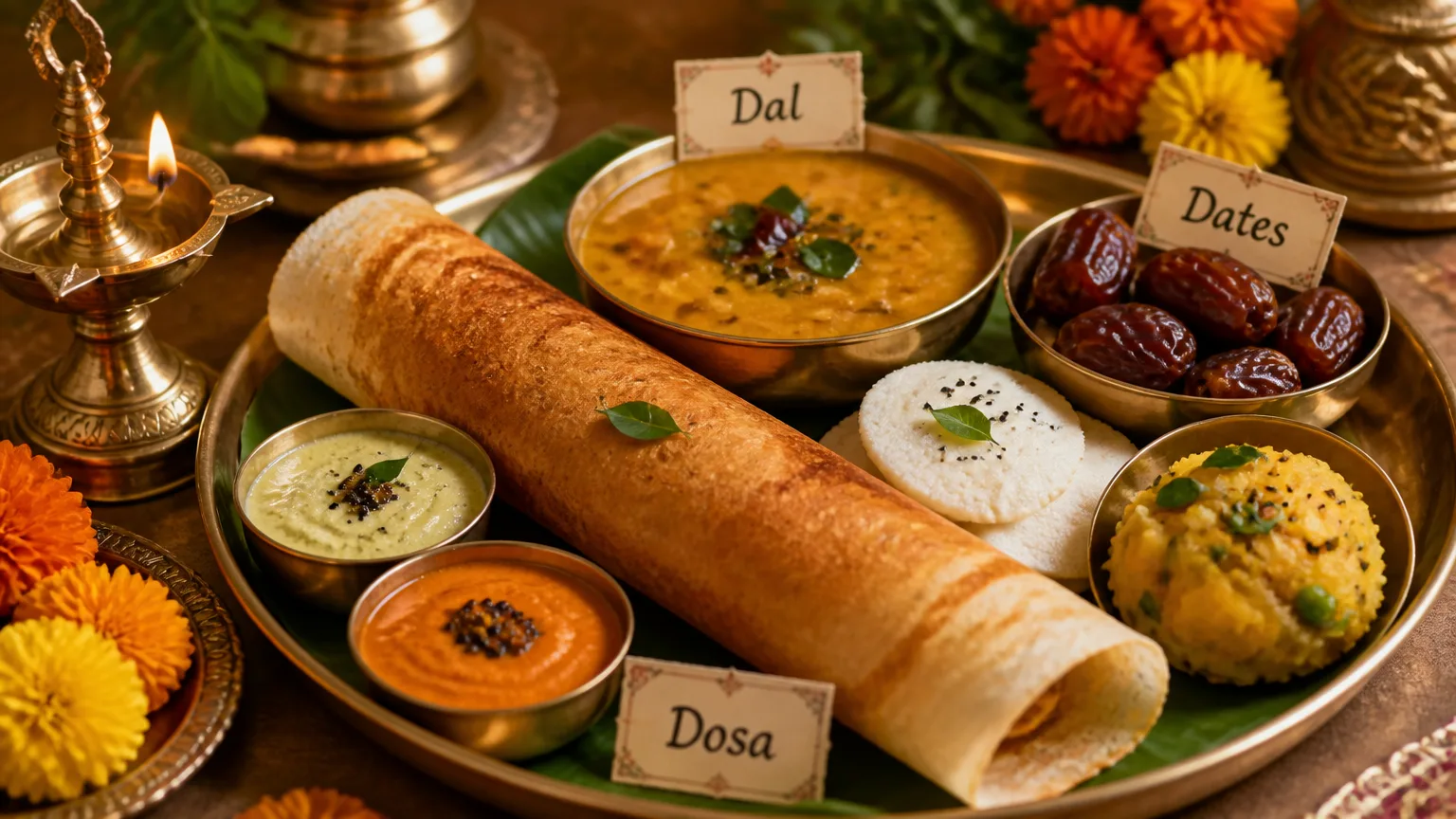
In the vibrant world of Bhakti cooking, the joy of preparing and sharing meals transcends mere sustenance. This culinary art emphasizes spirituality, celebrating the divine presence in each ingredient. One delightful exploration within this realm is food that starts with ‘D,’ showcasing dishes that resonate with the heart and nourish the soul.
Hare Krishna culture places immense significance on vegetarian cooking, where each meal becomes an offering. The act of cooking is not just about taste; it is a form of devotion. By preparing dishes with love, devotees express their reverence for the divine, inviting spiritual energy into their homes.
From delectable desserts to delightful main courses, the foods that begin with ‘D’ serve as a testament to this philosophy. Each dish embodies the essence of purity and gratitude, reflecting the values central to Bhakti. As we delve into this list, prepare to discover not only delicious recipes but also the spiritual connections they foster. Embrace the divine delights that await, enriching both your palate and your practice.
1. Dal: Nutritious and Versatile
Dal stands as a cornerstone of Bhakti cooking, embodying both nourishment and spiritual significance. This staple food, which refers to various lentils, provides essential proteins and nutrients. Common types include red lentils (masoor), yellow split peas (toor), and green lentils (moong), each offering unique health benefits.
Red lentils, for instance, are rich in iron and folate, supporting overall health. Yellow split peas are high in fiber, promoting digestive health. Green lentils contain antioxidants, helping to combat inflammation. Incorporating these varieties into meals not only enhances flavor but also nourishes the body and spirit.
In Bhakti cooking, Dal can be prepared in a multitude of ways. A simple dal soup, flavored with turmeric and cumin, can be served as a comforting dish. Alternatively, a rich dal makhani, made with cream and butter, offers a more indulgent experience. Each preparation allows for a deeper connection to the divine through mindful cooking and consumption.
2. Dhokla: Steamed Delight
Dhokla, a beloved snack from Gujarat, is a light and fluffy steamed cake made primarily from gram flour (besan). The preparation begins with a simple batter, combining gram flour, yogurt, and spices like turmeric and green chili. After fermenting, the batter is poured into a steaming tray and cooked until fluffy.
This dish is not only a delightful treat but also holds significant spiritual meaning. During festivals and celebrations, Dhokla is often offered as a prasad, symbolizing purity and devotion. Its vibrant yellow hue and soft texture make it visually appealing, enhancing its role as a sacred offering.
Typically served with green chutney and garnished with mustard seeds and fresh coriander, Dhokla embodies the essence of Bhakti cooking. Its preparation and presentation invite mindfulness, allowing cooks and diners to connect spiritually with each bite. Enjoying Dhokla can truly be a divine experience, making it a staple for those seeking foods that start with ‘D’.
3. Drumsticks: A Superfood
Drumsticks, known scientifically as Moringa, are a powerhouse of nutrition. Rich in vitamins A, C, and E, they offer potent antioxidant properties. Additionally, drumsticks are high in protein and contain essential amino acids, making them an excellent choice for a Bhakti diet.
Incorporating drumsticks into your meals can be both simple and rewarding. They can be added to dals or vegetable curries, enhancing flavor and nutrition. For example, a drumstick-infused sambar not only nourishes the body but also elevates the spiritual experience of the meal.
Cooking methods that align with Bhakti principles include steaming or lightly sautéing drumsticks. This preserves their nutrients and embodies the essence of purity in Bhakti cooking. You might also consider using them in a wholesome drumstick soup, seasoned with spices like cumin and coriander, to promote mindfulness during your meal preparation and consumption.
In summary, drumsticks are not just a food that starts with ‘D’; they are a divine addition to your Bhakti cooking repertoire.
4. Dates: Nature’s Sweet Treat
Dates are a remarkable food that starts with ‘D’, celebrated for their natural sweetness and versatility. These fruits are not only delicious but also packed with health benefits. Rich in fiber, antioxidants, and essential vitamins, dates can enhance your overall well-being. Their natural sugars make them an excellent alternative to refined sweeteners in desserts, such as date bars or energy bites.
In the context of Bhakti cooking, dates hold significant importance. They are often used in rituals and offered as prasad, symbolizing gratitude and the sweetness of devotion. Including dates in your spiritual practices can deepen your connection to the divine.
Consider preparing a simple date and nut mixture as a sacred offering. This combination not only nourishes the body but also uplifts the spirit. As you incorporate dates into your culinary repertoire, embrace their ability to bring joy and sweetness to both your meals and your spiritual journey.
5. Dumplings: Comforting and Cozy
Dumplings offer a warm embrace in the realm of Bhakti cooking. These versatile delicacies can be filled with a variety of ingredients, making them perfect for any occasion. Whether you opt for potato-stuffed, paneer-filled, or even lentil dumplings, each type allows for creativity and devotion in your preparation.
In many communities, the act of making dumplings is a cherished tradition. Families gather to prepare them, sharing stories and laughter as they fold the dough. For example, during festivals, devotees often create large batches of sweet dumplings filled with coconut and jaggery, symbolizing abundance and gratitude.
Consider experimenting with different cooking methods. Steamed dumplings are light and fluffy, while pan-fried options offer a delightful crispiness. Each bite can be a reminder of the divine, making dumplings a comforting staple in your Bhakti cooking repertoire.
6. Dhalia: A Wholesome Grain
Dhalia, also known as broken wheat, serves as a nourishing grain rich in fiber and essential nutrients. This wholesome ingredient promotes digestive health and provides sustained energy, making it an excellent choice for meals that support spiritual practices.
Preparing Dhalia is straightforward. You can cook it as a savory porridge, seasoned with spices like cumin and turmeric. For a more elaborate dish, consider making Dhalia upma by sautéing it with vegetables such as peas, carrots, and bell peppers. This colorful dish not only nourishes the body but also uplifts the spirit, embodying the essence of Bhakti cooking.
Incorporating Dhalia into your meals can also include sweet variations. A Dhalia kheer, made with milk, cardamom, and a touch of jaggery, transforms this grain into a delightful dessert. This recipe exemplifies how foods that start with ‘D’ can connect us to the divine through mindful cooking and gratitude.
7. Dosa: South Indian Favorite
Dosa, a beloved South Indian dish, has its roots in ancient culinary traditions. This fermented crepe, made primarily from rice and urad dal (black gram), embodies the principles of Bhakti cooking through its simplicity and purity. The fermentation process not only enhances flavor but also boosts nutritional value, promoting gut health and aiding digestion.
To prepare dosa, soak rice and urad dal overnight, then grind them into a smooth batter. Allow the batter to ferment for a few hours, resulting in a light and airy texture. This transformation is essential; it cultivates a deeper connection between the cook and the ingredients, nurturing mindfulness.
Innovative fillings for dosa can elevate this dish further. Consider incorporating spiced potatoes, sautéed vegetables, or even paneer. Pair dosas with coconut chutney or sambar for a complete meal experience. Each variation invites creativity, allowing you to explore diverse flavors while connecting to the divine through your culinary practice.
8. Dark Leafy Greens: Powerhouse of Nutrients
Dark leafy greens, such as kale, spinach, and mustard greens, are essential in a Bhakti diet. These foods that start with ‘D’ are not only rich in vitamins A, C, and K but also high in antioxidants and minerals. Incorporating them into your meals enhances both nutritional value and spiritual nourishment.
Consider using seasonal and locally sourced greens to maximize freshness and flavor. For instance, a simple sauté of mustard greens with garlic and cumin can serve as an uplifting side dish. Alternatively, a vibrant spinach salad dressed with lemon and olive oil can be a refreshing main course.
Incorporating dark leafy greens into soups, stews, or even smoothies allows for versatile preparations that resonate with the principles of Bhakti cooking. Each dish can become a mindful offering, inviting deeper spiritual reflection with every bite. By prioritizing these nutrient-dense foods, you not only enhance your physical well-being but also align with the essence of purity in your culinary practice.
9. Dry Fruits: Nature’s Energy Boost
Dry fruits are a powerhouse of nutrients, making them an essential component in Bhakti cooking. Commonly used in offerings, these foods that start with ‘D’ provide both energy and health benefits. Almonds, cashews, and raisins are popular choices, each offering unique nutritional advantages.
- Energy Source: Dry fruits are rich in healthy fats, vitamins, and minerals. For instance, almonds are high in vitamin E, which supports skin health, while cashews provide essential magnesium for muscle function.
- Culinary Versatility: Incorporate dry fruits into sweet or savory dishes. Add them to rice dishes, like pulao, or blend them into desserts like kheer. Their natural sweetness enhances flavor while maintaining a wholesome profile.
- Health and Wellness: For devotees, dry fruits symbolize nourishment and abundance. Regular consumption can improve overall well-being, promoting a balanced diet that aligns with spiritual practices.
By integrating dry fruits into your meals, you foster both physical health and spiritual connection, embodying the essence of Bhakti cooking.
10. Dandelion Greens: Wild and Wonderful
Dandelion Greens, often found in gardens and fields, are a nutrient-rich food that starts with ‘D’. These wild greens are packed with vitamins A, C, and K, along with minerals like calcium and iron. Foraging dandelion greens not only connects us to nature but also provides a sustainable source of nutrition.
Incorporating dandelion greens into Bhakti recipes is both simple and rewarding. They can be sautéed with garlic and olive oil, creating a vibrant side dish that enhances any meal. Alternatively, try adding them to a mixed salad with lemon juice and sesame seeds for a refreshing, spiritually uplifting offering.
When preparing dandelion greens, consider their slightly bitter flavor, which can be balanced with sweeter ingredients like apples or dates. This harmony of flavors symbolizes the balance sought in Bhakti cooking, transforming each meal into a mindful experience that nourishes both body and spirit.
Celebrating Divine Delights
As we conclude our exploration of foods that start with ‘D,’ it is essential to recognize the profound connection between spirituality and nutrition in Bhakti cooking. Each food item not only nourishes the body but also enriches the spirit. By incorporating ingredients like dates, dal, and dandelion greens, you can transform ordinary meals into sacred offerings.
Embrace the opportunity to experiment with these divine delights in your daily cooking. Consider creating a comforting dal soup or a refreshing dandelion salad, each bite serving as a mindfulness practice that deepens your spiritual journey. For instance, try preparing a sweet Dhalia kheer to celebrate special occasions, enhancing both flavor and devotion.
Additionally, if you’re seeking more culinary inspiration, explore 5 Nourishing Hare Krishna Breakfast Recipes and discover how other food categories can complement your Bhakti cooking. You can also check out 8 Vegetarian Foods That Start with V to further expand your repertoire.
Ultimately, the integration of these foods into your meals can lead to a more mindful and spiritually fulfilling cooking experience. Celebrate the divine in your kitchen and let your culinary creations reflect the essence of Bhakti.